


Professional networking means building and maintaining useful relationships with people in your field, workplace, or areas of interest. A strong professional network can help you exchange knowledge, discover career opportunities, find mentors and collaborators, gain industry insights, and build long-term professional relationships.
Effective networking is not about collecting as many contacts as possible or approaching people only when you need a favor. It is about creating genuine connections, providing value, staying in touch, and developing relationships over time.
Whether you are a student, employee, entrepreneur, freelancer, manager, or experienced professional, networking can support your career development and help you learn from people with different skills, experiences, and perspectives.
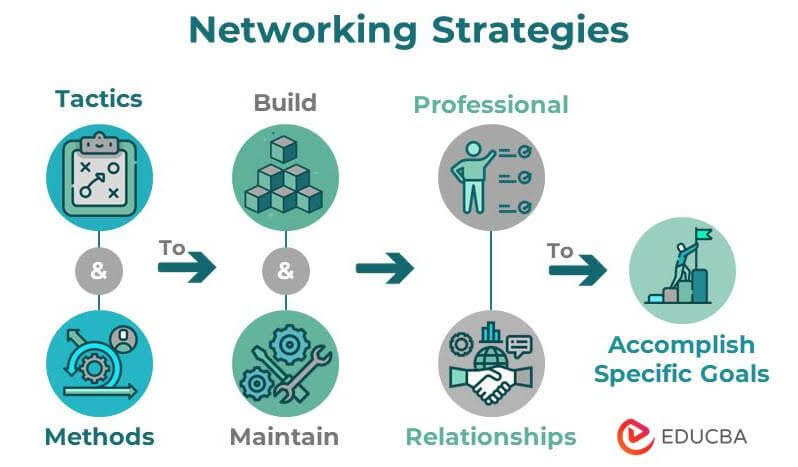
What is Professional Networking?
Professional networking involves connecting with people who can exchange knowledge, advice, opportunities, introductions, or professional support.
Your professional network may include:
- Current and former colleagues
- Managers and mentors
- Clients and customers
- Business partners
- Industry professionals
- Classmates and alumni
- Professors and trainers
- Suppliers and vendors
- Professional association members
- Online professional communities
- Conference and event participants.
Networking can happen in person or online. Professional events, industry conferences, workshops, alumni groups, online communities, webinars, and platforms such as LinkedIn can all provide opportunities to develop professional relationships.
The objective is not simply to increase the number of people you know. The goal is to build strong professional relationships through trust, mutual support, and regular communication.
Why is Professional Networking Important?
Professional networking can provide benefits throughout your career.
- Discover Career Opportunities: People in your network may introduce you to job openings, projects, freelance opportunities, partnerships, or organizations that match your interests and skills.
- Learn From Other Professionals: Networking offers opportunities to learn from people with diverse experiences and expertise. Conversations with professionals can provide practical insights that may not be available through formal education alone.
- Gain Referrals and Introductions: A trusted contact can connect you with a hiring manager, client, mentor, investor, collaborator, or other useful professional.
- Find Mentors: Networking can help you meet experienced professionals who may provide career guidance, feedback, and industry perspective.
- Build Professional Visibility: Participating in professional discussions, events, and communities helps others become familiar with your skills and areas of expertise.
- Exchange Industry Knowledge: Your network can expose you to new technologies, trends, practices, opportunities, and challenges affecting your profession.
- Find Collaborators: Networking can connect people with complementary skills who may work together on projects, research, businesses, events, or other initiatives.
- Develop Communication Skills: Regular professional conversations can improve your ability to introduce yourself, ask questions, listen actively, explain ideas, and communicate with diverse people.
10 Effective Networking Strategies
Successful networking is about building genuine professional relationships rather than seeking immediate benefits. The following strategies can help you create and maintain a stronger network.
1. Focus on Mutual Value
Networking works best when both people gain something from the relationship. Instead of focusing only on what you can receive, think about how you can contribute through knowledge, introductions, resources, feedback, or support.
Example:
If a marketing professional mentions that their company needs a data visualization expert and you know someone suitable, introducing them can benefit both parties while strengthening your professional relationship.
2. Be Present and Show Genuine Interest
Give people your full attention during conversations. Avoid distractions, listen carefully, and ask thoughtful questions about their work, interests, or experiences. Genuine curiosity makes conversations more meaningful.
Example:
Instead of simply asking, “What do you do?”, you could ask, “What kind of projects are you currently working on?” This often leads to a more engaging discussion.
3. Practice Active Listening
Good networking involves listening as much as speaking. Allow the other person to finish, ask follow-up questions, and respond to what they actually say rather than preparing your next response.
Example:
If someone says they recently moved from engineering into product management, you might ask, “What motivated you to make that transition?” instead of immediately discussing your own career.
4. Build Relationships Before You Need Them
Do not contact people only when you need a job, referral, or favor. Maintain professional relationships through occasional check-ins, congratulations, useful resources, or conversations.
Example:
If a former colleague starts a new role, send a short message congratulating them and asking how the transition is going without requesting anything in return.
5. Prioritize Quality Over Quantity
A large number of contacts does not necessarily mean you have a strong network. A few meaningful relationships are often more valuable than hundreds of connections with little interaction.
Example:
At a conference, instead of trying to collect 30 business cards, focus on having three or four meaningful conversations and following up afterward.
6. Be Authentic and Professional
Be honest about your experience, skills, and interests. Avoid exaggerating accomplishments or pretending to know something you do not. Authenticity helps build trust and credibility.
Example:
If someone discusses a technology you have not used, you could say, “I have not worked with that technology yet, but I am interested in learning more about it.”
7. Follow Up After Making a Connection
Meeting someone is only the first step. A short, personalized follow-up helps continue the relationship and shows that you valued the conversation. If you didn’t exchange contact details, an email finder can help you locate their work address using their name and company
Example:
After meeting someone at a conference, you might write: “It was great meeting you yesterday. I enjoyed our discussion about AI in customer service and would be glad to stay connected.”
8. Choose Networking Opportunities Strategically
Attend events, communities, and activities that align with your profession, interests, or goals. Relevant environments make it easier to meet people with shared interests and create useful conversations.
Example:
If you work in cybersecurity, attending a cybersecurity conference or professional webinar may be more valuable than joining a general business networking event.
9. Use LinkedIn Strategically
LinkedIn can help you maintain and expand your professional network. Keep your profile complete, personalize connection requests, engage with relevant content, and participate in meaningful discussions.
Example:
After attending a presentation, you might send the speaker a connection request saying, “I enjoyed your presentation on digital transformation, especially your point about change management. I would be glad to stay connected.”
10. Strengthen Your Existing Network
Networking does not always mean meeting new people. Former colleagues, managers, classmates, clients, alumni, and business contacts may already be valuable members of your professional network.
Example:
You could reconnect with a former colleague by sending a brief message such as, “It has been a while since we worked together. I saw your recent career update and wanted to congratulate you.”
Networking Strategies for Introverts
Professional networking is not limited to extroverts.
You do not need to enjoy large crowds or constantly introduce yourself to strangers to build a strong network.
Introverts may prefer approaches that emphasize smaller conversations and preparation.
- Prepare Conversation Starters: Think of two or three questions before attending an event.
For example:
-
- “What brought you to this event?”
- “Which session have you found most useful?”
- “What are you currently working on?”
Preparing questions can reduce the pressure of starting conversations.
- Attend Smaller Events: Workshops, professional roundtables, small meetups, or virtual discussions may feel more comfortable than large conferences.
- Set a Small Goal: Instead of trying to meet everyone, aim to have two or three meaningful conversations.
- Arrive Early: Events are often quieter at the start, making it easier to start conversations.
- Focus on One-to-One Conversations: You do not need to dominate a large group discussion. Individual conversations can be equally valuable.
- Use Online Networking: LinkedIn, professional communities, and email can provide additional ways to build relationships without relying exclusively on face-to-face events.
- Use Listening as a Strength: Networking does not require talking constantly. Strong listeners often create memorable conversations because they make others feel heard.
How to Network at Professional Events?
Professional events can provide opportunities to meet people with shared interests.
A simple approach can make networking easier.
Before the Event
- Research the event agenda.
- Review speakers or participating organizations.
- Identify a few people or topics you are interested in.
- Prepare a brief introduction about yourself.
- Set a realistic networking goal.
During the Event
Introduce yourself naturally.
A simple introduction might be:
“Hi, I am Jordan. I work in supply-chain analytics. What brought you to this conference?”
Avoid delivering a long rehearsed speech unless someone specifically asks for more information.
Ask questions, listen, and look for areas of common interest.
After the Event
Follow up with the people you had meaningful conversations with.
Mention something specific from your discussion so the message does not come across as generic.
How to Network Online?
Online networking is now an important part of professional relationship-building.
A useful process is:
- Identify Relevant Professionals: Look for people whose work relates to your field, career goals, research interests, or professional development.
- Understand Their Work: Before contacting someone, review their public professional profile, recent work, articles, presentations, or posts.
- Engage Genuinely: If appropriate, comment thoughtfully on something they have shared.
Avoid generic responses such as:
“Great post!”
A more meaningful comment refers to a specific idea.
- Send a Personalized Message: Explain why you are reaching out.
- Build the Relationship: Do not immediately ask for a job, referral, major introduction, or extensive free advice.
Allow the professional relationship to develop.
How to Use Informational Interviews?
An informational interview is a short conversation with someone working in a profession, role, or industry you want to understand better.
The purpose is to learn, not to ask for employment directly.
Useful questions include:
- How did you enter this profession?
- What does a typical day in your role look like?
- Which skills are most important?
- What changes are affecting your industry?
- What challenges do people entering the field commonly face?
- Which resources would you recommend?
- What do you wish you had known earlier in your career?
Keep the conversation within the agreed time and thank the person afterward.
If appropriate, stay connected and provide updates when their advice proves useful.
Professional Networking Message Examples
Networking messages should be personalized rather than copied and sent to large numbers of people.
1. LinkedIn Connection Request
Hi Taylor, I enjoyed your recent post about product analytics, particularly your point about customer retention metrics. I work in a related area and would be glad to connect.
2. Follow-Up After an Event
Hi Jordan, it was great meeting you at yesterday’s leadership conference. I enjoyed our discussion about managing remote teams. I would be happy to stay connected.
3. Reconnecting With a Former Colleague
Hi Casey, I hope you are doing well. It has been a while since we worked together on the operations project. I recently saw your update about your new role and wanted to congratulate you.
4. Requesting an Informational Conversation
Hi Morgan, I am exploring careers in cybersecurity and noticed your experience in cloud security. If you have 15 minutes sometime, I would love to learn more about your experience in the field.
Common Networking Mistakes
Understanding what not to do can make networking more effective.
1. Asking for Too Much Too Soon
Requesting a referral, job recommendation, major introduction, or lengthy mentoring session immediately after connecting can make the interaction feel transactional.
Build some context first.
2. Sending Generic Messages
Messages copied and sent to hundreds of people rarely create meaningful connections.
Personalize your outreach whenever possible.
3. Talking Only About Yourself
A networking conversation should involve both people.
Ask questions and listen rather than turning every topic back to your achievements.
4. Collecting Contacts Without Following Up
Meeting someone once does not create a strong relationship.
Follow up and stay in touch where appropriate.
5. Contacting People Only When You Need Something
If your only messages involve asking for favors, your relationships may become one-sided.
Maintain connections during ordinary periods as well.
6. Over-Automating Outreach
Automation may be useful for some administrative tasks, but highly generic automated networking messages can appear impersonal.
Important professional relationships deserve personal communication.
7. Ignoring Professional Boundaries
Not every person will have the time or interest to connect.
If someone does not respond, avoid contacting them repeatedly.
Respectful networking also means respecting people’s availability.
8. Trying to Impress Everyone
Networking is not a competition.
You do not need to exaggerate your achievements or dominate conversations to be memorable.
Being interested, reliable, and professional can make a stronger impression.
How to Maintain a Professional Network?
Building a network is only the first stage. Relationships need occasional maintenance.
You can stay connected by:
- Sending congratulations for significant achievements
- Sharing a genuinely relevant resource
- Checking in periodically
- Inviting someone to a relevant event
- Making useful introductions
- Offering support
- Commenting thoughtfully on professional updates
- Scheduling occasional catch-ups.
The appropriate frequency depends on the relationship. A close professional contact may warrant regular communication, while someone you met briefly at a conference may require only occasional interaction.
The objective is not constant contact. It is to maintain enough genuine interaction that the relationship does not disappear completely.
Final Thoughts
Professional networking is not about collecting contacts or approaching influential people only when you need something. It is about building genuine, mutually beneficial relationships that develop over time.
Effective networking involves providing value, listening actively, being authentic, following up, maintaining existing relationships, participating in relevant professional communities, and using online platforms strategically.
You do not need to be highly outgoing or know hundreds of people to build a valuable network. Start with a few meaningful relationships, stay consistent, and focus on becoming someone others are also glad to know and support.
Frequently Asked Questions (FAQs)
Q1. What are networking strategies?
Answer: Networking strategies are practical methods for building, strengthening, and maintaining professional relationships. They include active listening, providing mutual value, attending relevant events, using LinkedIn, following up, reconnecting with existing contacts, and maintaining relationships over time.
Q2. Why is professional networking important?
Answer: Professional networking can help you gain knowledge, discover opportunities, receive introductions and referrals, find mentors and collaborators, increase professional visibility, and learn about developments in your industry.
Q3. How do I start networking if I do not know anyone?
Answer: Start with people you already know, including colleagues, former classmates, alumni, professors, clients, and friends. You can then expand your network through professional events, industry associations, online communities, webinars, and LinkedIn.
Q4. How can introverts network effectively?
Answer: Introverts can focus on smaller events, one-to-one conversations, prepared questions, online networking, active listening, and realistic goals such as meeting two or three people instead of trying to speak with everyone.
Q5. How soon should I follow up after meeting someone?
Answer: There is no universal deadline, but following up while the conversation is still recent is generally helpful. Keep the message short and mention something specific from your interaction.
Q6. Should I ask for a job when networking?
Answer: Networking can eventually lead to job opportunities, but immediately asking a new contact for employment or a referral may feel transactional. It is usually better to establish context and build a professional relationship first.
Q7. Is LinkedIn enough for professional networking?
Answer: LinkedIn is a useful networking platform, but networking can also happen through colleagues, conferences, professional associations, alumni networks, webinars, communities, volunteering, and direct professional relationships.
Q8. How many people should be in a professional network?
Answer: There is no ideal number. The usefulness of a network depends more on the quality and relevance of your relationships than the total number of contacts.
Recommended Articles
Here are some articles that will help you learn more about networking strategies; go through the links.

