


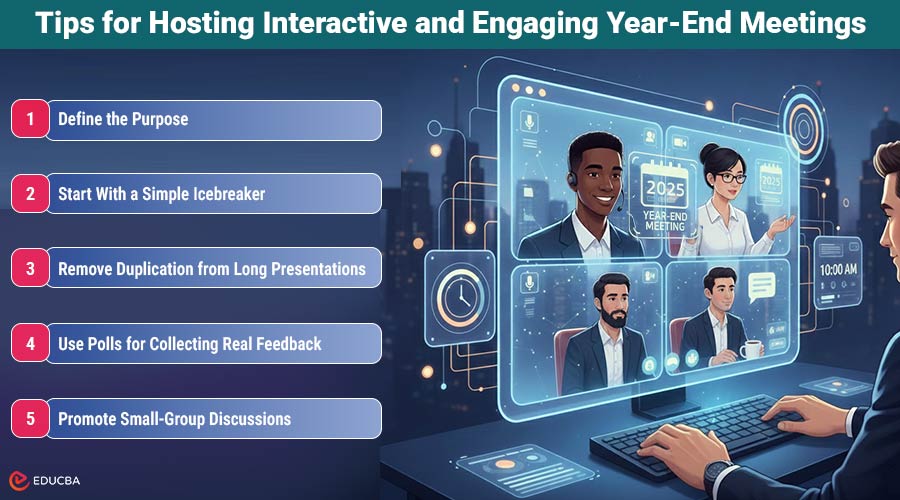
Host Interactive and Engaging Year-End Meetings
End-of-year celebrations and activities could produce mixed feelings. While they provide an opportunity to reflect, celebrate accomplishments, and close the year with a sense of clarity, they can sometimes feel long, formal, and demanding, particularly when conducted online. Some people join such online gatherings with passion, but then leave if they realise it is a one-time experience. What makes a year-end meetings truly memorable is not the length of the agenda or the design of slides it is interaction and engagement.
Encouraging active participation transforms these meetings from a routine obligation into a warm, focused, and energizing experience that employees actually look forward to. This article provides practical tips for conducting engaging end-of-year meetings that are ‘human’ and memorable.
Importance of Interaction at Year-End Meetings
Mental tiredness can make it difficult for people to concentrate, especially at the end of the year. People struggle to concentrate for long periods during listening-only meetings. Minor changes to meetings, such as asking questions and exchanging ideas, might help people stay focused. Interactive meeting strategies encourage participants to interact rather than simply listen.
Participants are engaged when meetings include small opportunities for participation, such as questions, reflections, and sharing experiences. They remember an exchange rather than a slide presentation. The end-of-year events are likewise painful. They include meditation, thankfulness, and insight. Interaction helps bring out these feelings respectfully.
Tips for Hosting Interactive and Engaging Year-End Meetings
Here are practical tips and strategies to make your year-end meetings interactive, engaging, and memorable:
1. Begin with a Human Focus
Before creating activities or tools for your end-of-year gathering, define its goal. Ask yourself:
- Is this a gathering to think?
- Is it an issue of aligning for next year?
- Is this all about love and connection?
Having a clear purpose can help set the stage. A reflective meeting may have a peaceful, open atmosphere. Organisation and clarity are important for a planning-oriented gathering. A celebration-themed event might have a bright and friendly vibe. When there is clarity in purpose, interaction is meaningful rather than forced. The team working for audiovisualnation explain how aligning technical choices with the event’s intent helps reinforce the desired atmosphere from the moment guests arrive. Their perspective focuses on using sound, lighting, and visuals in a way that supports interaction rather than distracting from it.
2. Open With a Simple Icebreaker
The first few minutes set the tone; instead of starting with announcements or long introductions, begin with a gentle icebreaker. The following are some great ways to get your year-end icebreaker activities going:
- One word to describe this year.
- A lesson you are taking forward.
- One thing you are thankful for.
These questions are simple, personal, and not unnecessary. Using chat answers or live word sharing boosts early involvement while reducing delays later.
3. Remove Duplication from Long Presentations
Some end-of-year meetings include reports, summaries, and performance evaluations. Although serious, continuous conversation is very boring and rapidly becomes interesting. Divide the text into short sections with gaps in between. Following each part:
- Ask a quick reflection question
- Invite reactions or emojis
- Share a short poll or question
This strategy turns quiet updates into a shared experience. Interactive presentation systems can help you create such experiences without affecting them.
4. Use Polls for Collecting Real Feedback
A poll is one of the simplest and most effective ways to engage. They allow people to respond freely, which is especially important when dealing with complex problems. Examples of end-of-year poll questions include:
- What challenged you most this year?
- What initiative did you find most important?
- How confident are you in your thoughts concerning next year?
Using interactive polling tools during webinars not only provides organisers with real-time information but also gives the audience a sense of value.
5. Promote Small-Group Discussions
Large group meetings can be difficult. Furthermore, some people may be uncomfortable with public speaking to a large audience. Small-group gatherings are less stressful. You can use short breakout sessions for:
- Team reflections
- Ideas for brainstorming
- Sharing Success Stories
- Talking about challenges freely
Give each group a brief task prompt, then let them chat for an appropriate period. When they return, ask a few volunteers to summarise the key points.
6. Make Reflection Visual and Shared
It does not have to be silent and individual; this is what makes it appealing in a visual format. You can invite participants to:
- Share highlights on a shared board
- Add short notes about learnings
- Contribute ideas for the next year
When everyone in the centre can see their reflections, it creates a sense of shared journey. They notice patterns, shared experiences, and overall growth. This is where interactive presentation software comes into play not to impress, but to organise shared ideas clearly.
7. Balance Structure with Flexibility
While planning is essential, short agendas frequently limit genuine communication. Allow time to speak and gain unexpected information. If a discussion is becoming significant, keep it going. If an activity feels too forced, then move on to the next one. Participants appreciate facilitators who read the room and adjust accordingly. Interactive meetings feel human because they can include moments of pause, humour, and honesty.
8. Close with Thankfulness and Understanding
Wrap up the meeting on a pleasant and balanced note. A good conclusion provides both emotional closure and practical understanding. Consider:
- Thank participants genuinely
- Highlight collective achievements
- Summarize key takeaways
- Invite a final interaction, e.g., one word to end the year with or one intention for next year.
These soft closings create a sense of acknowledgement and connection among participants.
Final Thoughts
Organising engaging year-end meetings requires more than simply adding more activities and features. In simple terms, it is about respecting people’s time, encouraging involvement, and creating opportunities for meaningful conversations. When evaluating the key features of an engagement tool, ensuring seamless integration with existing solutions in use is a plus. Some Tools that integrate smoothly with Zoom and Microsoft Teams offer personalization, interaction, and engaging team features regardless of the online platform used by the team.
When interactions are valuable and purposeful, meetings stop feeling like responsibilities and become more like shared experiences. With the appropriate combination of organisation, empathy, and basic interactive webinar tools, year-end gatherings can become experiences that people look forward to and remember long after the year is over.
Recommended Articles
We hope this guide helps you plan more engaging year-end meetings. Check out these recommended articles for additional tips and ideas to make your meetings memorable.


