

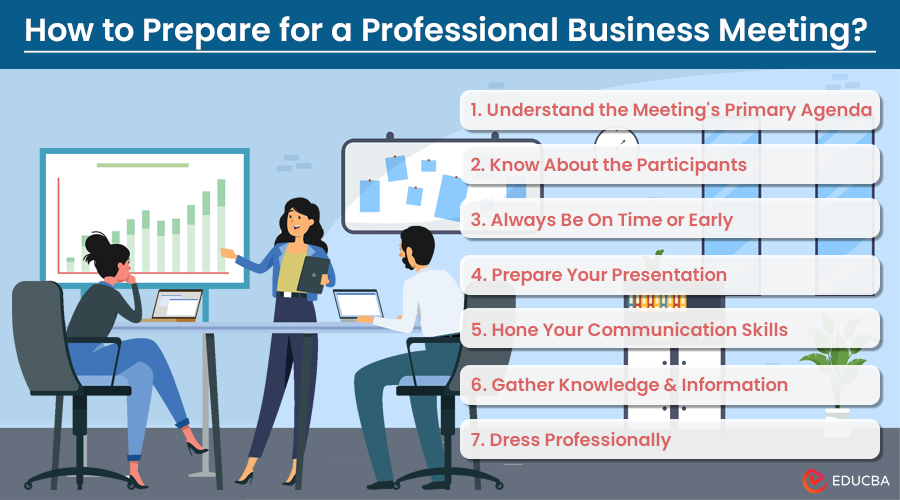
How to Prepare for a Meeting? – Overview
Business meetings are a vital part of professional life. They allow you to collaborate with colleagues, clients, or other stakeholders. For those who attend meetings regularly, this can be routine. However, for newcomers or introverts, it can be nerve-wracking. Whether you are negotiating a deal, presenting a new idea, or collaborating on a project, knowing how to prepare for a meeting is key to making a significant impact.
Experts agree that thorough preparation is crucial for a successful meeting. Rather than worrying about the outcome, focus on being confident and informed. Here are some essential strategies to ensure you are fully prepared to leave a lasting professional impression.
1. Understand the Meeting’s Primary Agenda
Every meeting has a purpose. So, before attending:
- Ensure you understand the agenda thoroughly.
- If the meeting lacks a clear agenda, prepare some topics that could be interesting to discuss.
- Don’t just skim the topics; delve deeply into each one.
- Familiarize yourself with the desired outcomes and anticipate the discussion points.
2. Know About the Participants
Knowing who will attend the meeting is just as important as knowing the agenda. Meetings are usually held between professional individuals of all stages, so this can be a chance for you to leave a long-lasting impression on your seniors.
Research the participants’ roles, backgrounds, and interests. It will also help you in understanding their concerns and questions. Check their professional profiles on platforms like LinkedIn and visit the company’s website to understand its current goals. This information can provide insights into their perspectives and questions.
3. Always Be On Time or Early
Arrive on time to show respect for others’ time. Being punctual also gives you a few minutes to gather your thoughts and settle in. Use this time to greet others and make connections. Do not forget to get a business card for the meeting, as it will help you exchange your professional information with people easily.
To avoid any destruction, turn off your cell phones and listen actively to the conversation. When the meeting starts, take clear, easy-to-understand notes notes to remember important points later; in virtual meetings, a zoom ai note taker can help capture key points while you stay engaged in the discussion.
4. Prepare Your Presentation
If you are presenting, thorough preparation is essential. Remember, a dull presentation can kill your professional growth, but a well-prepared presentation can significantly boost it. Therefore, practice your preparation several times before the actual one to ensure you are confident enough to deliver it smoothly. It will also help you anticipate questions, refine your delivery, and manage your time.
Before the actual meeting, show your presentation to your mentor or colleagues and take essential feedback to make necessary adjustments accordingly.
5. Hone Your Communication Skills
The way you speak reveals much about you and your personality. While this may not matter as much in your personal life, in professional settings, people judge you by your communication style. Therefore, modify your communication style to suit the meeting’s purpose and audience.
Work on your vocabulary, voice, and pronunciation. Understand when to use a higher tone and when to keep your tone low. During presentations, aim for concise and impactful conversations. In collaborative settings, share your ideas briefly and clearly so that everyone can understand.
Listening is also crucial for effective communication. If you do so, it helps you determine your next conversational point. Lastly, always be confident while communicating, as confidence inspires trust and encourages positive engagement from others.
6. Gather Knowledge and Information
It’s important to gather facts and knowledge from various sources in order to come across as intelligent and knowledgeable throughout the meeting. People who give solutions and ask relevant questions stand out in such professional meetings. Therefore, focus on having all the necessary information and material at hand. It will help you in presenting your ideas clearly and answer the questions confidently.
Always check for the right and filtered data, presentations, and reports. As a professional, always ensure that the documents you are holding are accurate, checked, and well-organized.
7. Dress Professionally
Your appearance sets the tone before you even speak. Dress appropriately for the professional environment. Choose an outfit that makes you look polished and confident.
Add necessary accessories like a wristwatch or professional footwear to complete your look. Dressing well shows you take the meeting seriously and respect the professional setting.
Final Thoughts
Professional meetings can open doors to new opportunities and growth. With these tips, you can transform yourself from a passive participant to an active contributor. Stay confident and prepared, and never underestimate your potential to succeed in the business world and earn long-term recognition.
Recommended Articles
We hope you learn how to prepare for a meeting with this guide. Check these resources for similar guides.

