


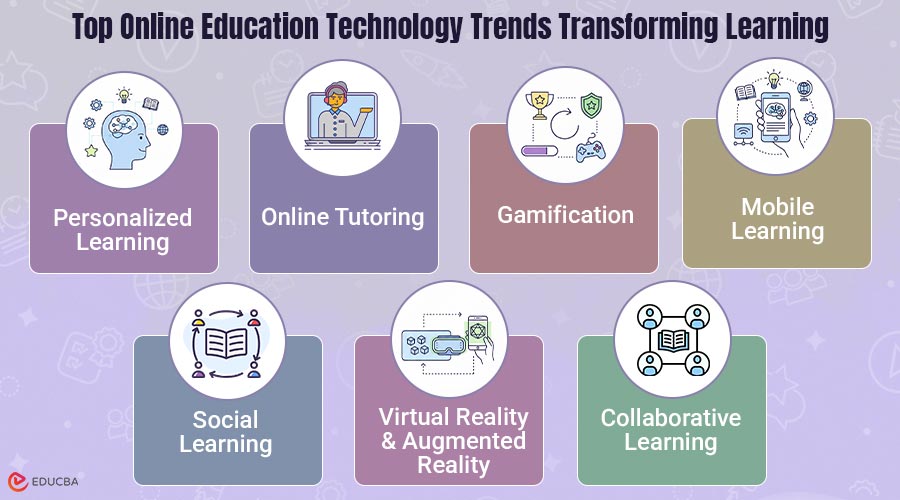
Online Education Technology Trends: Overview
The world of education is evolving rapidly due to technological advancements. Online learning has transformed how students of all ages access and engage with educational content. With interactive platforms, virtual classrooms, and AI-driven tools, education is becoming more accessible, flexible, and personalized. The move to online learning is not just a temporary fix; it is a lasting change that is enhancing educational experiences. Understanding the latest online education technology trends is essential for parents, students, and professionals who want to thrive in this new digital learning environment.
Top Online Education Technology Trends Transforming Learning
Here are the key online education technology trends shaping the future of learning.
1. Personalized Learning
Personalized learning platforms are changing online education for the better. These platforms use data and AI to create tailored learning experiences for each student. With adaptive learning tools, courses adapt to a student’s progress, helping each learner stay engaged and challenged at their own pace. This customization improves learning by allowing students to understand concepts thoroughly before moving on.
Many online education systems now let learners focus on areas where they need more help. This targeted approach boosts understanding and builds confidence. Learning at one’s own pace reduces the pressure often felt in traditional classrooms, making things more enjoyable. Personalized assessments and feedback also help learners see their progress and encourage them to keep developing their skills.
2. Online Tutoring
Online tutoring is key to improving the online learning experience. Many platforms connect students with tutors for one-on-one support. This type of learning fosters a supportive environment where students can ask questions and get help with difficult topics right away. Tutors can adjust sessions to meet each student’s unique needs, making support relevant and effective.
The convenience of online tutoring is a significant benefit. Students can book sessions at convenient times, eliminating travel and fitting learning into busy schedules. Many platforms also offer resources such as video lessons and interactive tools to enhance tutoring. With tutors covering a range of subjects, students can find the right help to succeed academically.
3. Gamification
Adding gamification to online education makes learning more enjoyable. Educational platforms use game elements such as points, badges, and leaderboards to motivate learners and foster a sense of community. This method encourages friendly competition and teamwork among students while appealing to different learning styles.
Gamification not only makes learning fun but also helps students remember the material better. Students retain information more effectively when they actively participate in their learning. Many online platforms now include quizzes and interactive challenges that promote engagement, making subjects feel more accessible and less intimidating. As a result, learners may feel greater achievement, motivating them to pursue additional educational goals.
4. Mobile Learning
Mobile learning is becoming popular, making education easier to access. With more people using smartphones and tablets, learners can now access educational content anytime, anywhere. This flexibility supports different lifestyles, allowing students to study when it suits them best.
Mobile learning apps offer a variety of resources, such as videos, quizzes, and articles, that cater to different learning styles. Many apps also let students download materials for offline use, which is helpful for those with limited internet access. The convenience of mobile learning is changing how students engage with their studies, making education a regular part of their daily lives.
5. Social Learning
Social learning is an important part of online education. Platforms that encourage teamwork among students create spaces where learners can share ideas, resources, and support one another. This interactive method helps students learn from each other and enhances their education.
Discussion forums and group projects let students connect, building a sense of community even if they are far apart. Social learning also helps students develop important skills like communication, teamwork, and critical thinking. When individuals work together online, they build relationships that improve their learning experience and lead to networking and future collaboration opportunities.
6. Virtual Reality and Augmented Reality
Virtual Reality (VR) and Augmented Reality (AR) are changing online learning. These tools create rich experiences that help students engage with their subjects in new ways. For example, VR can transport students to historical events or scientific settings, allowing them to connect more deeply with the material.
AR enhances learning by adding digital information to the real world. This helps students see and interact with concepts right in front of them, making complex topics easier to grasp. As these technologies become more affordable and accessible, their use in online education will increase, giving students more chances for hands-on learning.
7. Collaborative Learning
Collaboration is key in online education. It promotes teamwork and interactive learning among students. Many online platforms now offer tools that let students work together on projects, participate in group discussions, and give each other feedback. This teamwork enhances the learning experience and reflects real-life situations.
With tools like shared documents, video calls, and discussion boards, students can communicate and share ideas easily, no matter where they are. Working together helps them better understand the course material, exchange different viewpoints, and build important social skills.
Final Thoughts
Technological innovation drives the evolution of online education, and staying up to date on online education technology trends is essential for maximizing learning potential. From personalized learning and online tutoring to gamification, mobile learning, social interaction, VR, AR, and collaborative tools, these trends are reshaping how knowledge is delivered and absorbed. Embracing these developments allows learners to access more flexible, engaging, and effective educational experiences, ensuring that online learning remains a vital part of education for years to come.
Recommended Articles
We hope this guide on online education technology trends helps you stay ahead in digital learning. Check out these recommended articles for more tips and insights to enhance your online education journey.

