


Is Choosing Online Tutoring Right for Your Learning Style?
In the digital world, technology has transformed the way we learn. Online tutoring has emerged as a convenient and effective alternative to traditional classroom learning. However, it is not the ideal fit for everyone. Choosing online tutoring requires careful consideration of your learning style, preferences, and comfort with technology. This guide will help you evaluate whether online tutoring is the right choice for you.
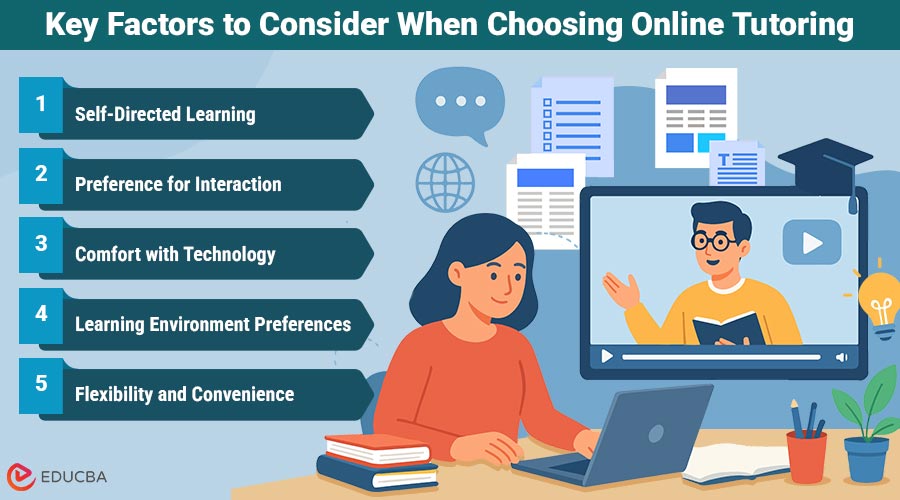
Key Factors to Consider When Choosing Online Tutoring
Here are some important points to help you evaluate whether online tutoring is the right fit for your learning style:
1. Self-Directed Learning
Are you someone who can sit down, focus, and get things done without needing constant reminders, or do you need a little more structure? If you are self-motivated, online tutoring might be perfect for you. You will set up your own schedule with your tutor and take charge of sticking to it. On the flip side, if you need more guidance, online tutoring can still work, but only if you find the right tutor.
Some tutors are great at creating structured lesson plans and keeping you accountable. They might send you reminders, check in on your progress, or even give you small assignments between sessions. If this sounds appealing, take a moment to reflect on how well you manage your own learning. Your honesty with yourself will help you make the right choice when choosing online tutoring.
2. Preference for Interaction
Do you prefer one-on-one attention, or does being part of a group make you feel alive? If you love personalized feedback, online tutoring might fit just right for you. If you enjoy brainstorming ideas with classmates or having a back-and-forth during discussions, traditional group settings might feel more natural to you.
Modern online platforms often provide collaborative sessions that allow peer interaction, though they may not perfectly replicate a physical classroom experience.
3. Comfort with Technology
If you are already familiar with apps like Zoom, Google Meet, or Microsoft Teams, you are probably good to go. But it goes beyond just knowing how to join a call. There are other tasks like sharing documents, drawing diagrams on a virtual whiteboard, or recording sessions for later review.
If you can do them comfortably, give online tutoring a thought. If you have your doubts about your capacities, do not give up yet. Many platforms offer tutorials or customer support to help you get started.
4. Learning Environment Preferences
With online tutoring, you have the freedom to choose your learning environment. Perhaps you prefer studying in a quiet corner of your home, or maybe you are okay working from a café or library, as long as you have a stable internet connection.
If you know you need a controlled space to stay focused, set one up before starting an online session. On the flip side, if you need some background noise to stay engaged, you can still do online tutoring while listening to soft music or white noise.
5. Flexibility and Convenience
A major advantage of online tutoring is its flexibility. If you are a frequent traveler or busy with family, work, school, and other responsibilities, you may appreciate the convenience of online tutoring.
Whether you are at home, traveling abroad, or sitting in a hotel room, as long as you have Wi-Fi, you can connect with your tutor. This is especially helpful if you move around a lot or live in a remote area where finding a qualified tutor locally might be quite tough.
6. Communication Style
In online tutoring, most communication happens verbally over video calls. If you are comfortable explaining your thoughts out loud and asking questions directly, you will probably find this format easy to adapt to. For example, if you are stuck on a concept, you can say, “Can you explain this again?” and your tutor will adjust accordingly.
However, if you rely heavily on non-verbal cues, such as gestures, eye contact, or tone of voice, something might be missing in an online session. While video calls do allow for some visual interaction, it is not always the same as being face-to-face. There is another aspect to consider: written communication. Many online tutors use chat features or shared documents to exchange information. Suppose you can keep up with the pace, well and good. If not, you can expect things to slow down. An honest discussion with your tutor can help you find a middle ground.
7. Type of Learning Content
Some topics lend themselves perfectly to virtual learning, while others require a bit more creativity or even an in-person touch. A good example is math or science. These subjects often involve explaining concepts step-by-step, working through problems together, and using visual aids like graphs or diagrams. Online tutoring platforms have tools like virtual whiteboards that make this process seamless. If you are studying algebra, calculus, physics, or chemistry, online tutoring can be incredibly effective because the material translates well to a screen.
Now, something more hands-on, like art, music, or lab-based sciences, can be relatively tedious and complex. For instance, if you are learning to play an instrument, your tutor can guide you through techniques and listen to your progress via video call. But they would not easily adjust your posture or correct your finger placement as they would in person. However, with the right set-up, your tutor might share videos, give real-time feedback, or use augmented reality tools to simulate hands-on experiences. However, there may still be limitations compared to learning in person.
8. Learning Pace
Everyone learns at their own speed. Some people pick things up quickly and want to move fast, while others prefer to take their time and fully grasp each concept before moving forward. Online tutoring excels in allowing you to set your own pace.
If you are someone who gets frustrated when lessons feel too slow or repetitive, online tutoring gives you the freedom to speed things up. If you need more time to absorb information, online tutoring offers flexibility here, too. You can pause, rewind, or revisit recorded sessions whenever you need reinforcement.
Final Thoughts
Choosing online tutoring is a valuable opportunity for students seeking flexibility, personalized attention, and a learning pace that suits their individual needs. However, it is not ideal for everyone. Factors such as self-directed learning ability, preference for interaction, comfort with technology, learning environment, and the type of subject matter should all be considered carefully. Assessing your strengths, weaknesses, and learning style helps you decide if online tutoring suits you.
Recommended Articles
We hope this guide on choosing online tutoring helps you make informed learning decisions. Check out these recommended articles for more tips and insights on selecting the right tutoring approach.

