


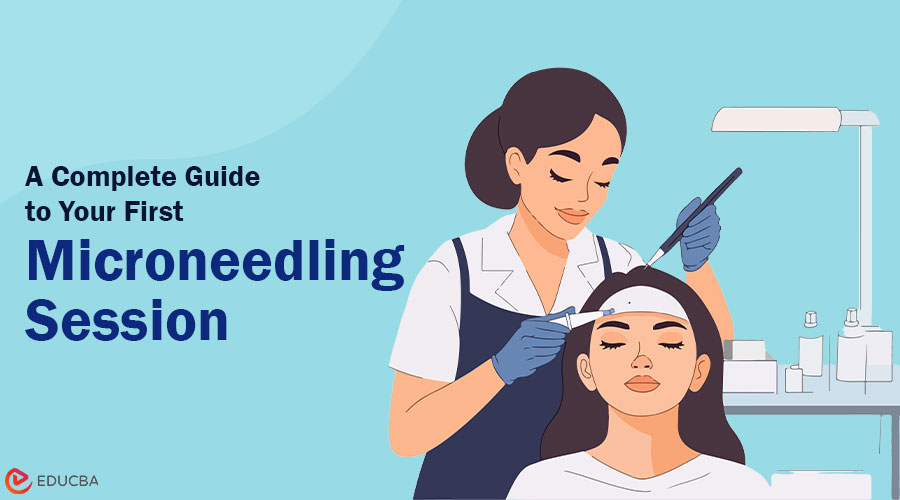
A microneedling session usually follows a clear sequence: skin assessment, cleansing and numbing, controlled microchannel creation, calming serum application, and structured aftercare. Knowing each stage helps you prepare properly, set realistic expectations, and protect your results.
Microneedling uses fine, sterile needles to stimulate skin renewal through tiny punctures. These microchannels stimulate the body’s natural repair response and support the formation of new collagen and elastin.
For people considering professional treatment, clinics such as World of Beauty Miami offer microneedling as part of a broader skin care and aesthetic service menu. The experience should always begin with a consultation, not treatment, on the first visit.
Why Microneedling Is Used?
People commonly choose microneedling for acne scars, enlarged pores, uneven texture, mild laxity, fine lines, and overall skin rejuvenation. Clinicians can also combine it with topical serums, platelet-rich plasma, or other professional treatments when appropriate.
The treatment works through collagen induction. Research reviews report increased production of collagen types I, III, and VII after microneedling, along with visible improvement in scar appearance and skin texture.
A review of microneedling studies found that patients reported 51 to 60 percent improvement in scar appearance and 40 to 50 percent improvement in skin texture after six sessions over three months.
| Treatment Goal | What Microneedling may Improve |
| Acne scars | Depth, roughness, and overall appearance of atrophic scars |
| Skin texture | Smoothness, pore appearance, and surface irregularities |
| Fine lines | Skin firmness through collagen stimulation |
| Uneven tone | Gradual improvement when used as part of a supervised plan |
| Product absorption | Temporary creation of microchannels that may improve topical delivery |
Before the Appointment
A responsible clinic will ask about your medical history, current skincare products, recent procedures, allergies, and any history of cold sores or keloid scarring. This step matters because microneedling is not suitable for everyone.
The FDA warns that microneedling may cause bleeding and may be unsuitable for people with bleeding disorders or those taking blood thinners.
Also tell your provider if you have active acne, an open wound, an eczema flare, a rosacea flare, a skin infection, or a recent sunburn. Treating compromised skin can increase irritation and the risk of complications.
What to Avoid Before a Microneedling Session?
Your provider may ask you to pause certain products before the session. Retinoids, strong exfoliating acids, and harsh scrubs can leave the skin more reactive.
| Product or Activity | Typical Pre-Treatment Guidance |
| Retinol or prescription retinoids | Pause for several days, or as directed by your provider |
| Glycolic acid, salicylic acid, and other exfoliants | Pause before treatment to reduce sensitivity |
| Waxing, threading, or depilatory creams | Avoid near the treatment area beforehand |
| Tanning or deliberate sun exposure | Avoid, because irritated or sun-damaged skin needs time to settle |
| Blood thinning supplements or medication | Discuss with the treating professional before stopping anything prescribed |
The article specifically warns that skin can become more sensitive after microneedling to products containing retinol, glycolic acid, menthol, capsaicin, or alcohol.
The Consultation
During the consultation, your provider determines whether microneedling fits your skin concern, skin type, and healing capacity. It should include a close examination of the treatment area and a discussion of your goals.
A good consultation covers more than the procedure itself. It should explain the expected number of sessions, recovery timeline, possible side effects, aftercare routine, and whether another treatment may be more suitable.
For example, someone seeking general skin refreshment may benefit from a professional facial, while someone with deeper congestion or dullness may be a better candidate for a customized facial service.
Questions to Ask Your Provider
- Am I a suitable candidate for microneedling today?
- What needle depth and treatment plan do you recommend?
- How many sessions will I likely need?
- What results can I realistically expect?
- What aftercare products should I use?
- What signs of complications should I watch for?
- Do you use a sterile, single-use cartridge for every client?
The FDA emphasizes that reusable microneedling parts must be cleaned and disinfected according to device instructions, and that reusing cartridges can cause or spread infection.
Preparing the Skin
Once you are cleared for treatment, the provider begins by thoroughly cleansing the skin. Makeup, sunscreen, oil, and surface debris must be removed so the treatment area is clean.
Photographs may be taken to document your starting point. This helps track texture, scarring, and tone changes across several sessions.
A topical numbing cream is commonly applied next. The numbing cream typically takes 20–40 minutes to work, depending on the product, treatment area, and clinic procedures.
During this waiting period, the provider may prepare the microneedling device, select the appropriate needle depth, and choose serums or growth factor products for use during the procedure.
What Happens During Treatment?
After numbing, the provider cleanses the skin again and removes the numbing cream. The provider then glides the microneedling device across the skin in controlled sections.
The device creates thousands of very small channels in the outer layer of the skin. These channels trigger the wound healing process and encourage collagen remodeling over the following weeks.
Most people feel pressure, light scratching, or a vibrating sensation rather than sharp pain. The numbing cream reduces discomfort, but sensitivity can still occur around bony areas such as the forehead, jawline, and nose.
A typical facial microneedling session takes about 30 to 60 minutes once numbing is complete. The exact time depends on the area treated, device type, needle depth, and whether you combine the treatment with PRP or another serum.
Treatment Area and Time
| Area | Usual Session Length after Numbing |
| Full face | About 30 to 45 minutes |
| Face and neck | About 45 to 60 minutes |
| Small targeted scar area | About 15 to 30 minutes |
| Face with PRP or serum infusion | About 45 to 60 minutes |
The provider may pass over each area several times. They will adjust pressure and technique based on skin thickness, sensitivity, and the concern being treated.
Some clinics use microneedling with radiofrequency, which adds heat energy below the skin surface. Studies on fractional radiofrequency microneedling have reported temporary redness, swelling, pain, and hyperpigmentation as possible effects.
Serums Used During a Microneedling Session
Because microneedling creates temporary channels in the skin, providers often apply a supportive serum during or immediately after treatment. Common options include hyaluronic acid, peptide serums, vitamin C formulations, or platelet-rich plasma.
The right serum depends on your skin condition and treatment goal. Hyaluronic acid is often used for hydration, while peptide-based products may support the skin barrier and repair process.
World of Beauty Miami also offers peptide-based skin support through its peptides service, which can complement a professional skin renewal plan when appropriate.
Avoid assuming that stronger active ingredients are better after microneedling. The FDA cautions that the skin may react to cosmetics and skincare products after treatment, especially those with retinol, glycolic acid, menthol, capsaicin, or alcohol.
What to Expect Immediately After Treatment?
Your skin will usually look red and feel warm, similar to a mild sunburn. Some people experience tightness, slight swelling, pinpoint bleeding, or dryness.
Possible effects include bleeding, bruising, redness, tightness, itching, and peeling. These usually settle without treatment after a few days or weeks.
Redness is often most noticeable on the first day. For many people, it reduces substantially within 24 to 72 hours, although deeper treatments can take longer to calm.
| Time After Treatment | Common Skin Response |
| First few hours | Redness, warmth, tightness, and mild swelling |
| Day 1 | Pink or red tone, dryness, and sensitivity |
| Days 2 to 3 | Reduced redness, possible flaking or dryness |
| Days 3 to 7 | Skin usually settles, though deeper treatments may take longer |
| Weeks to months | Gradual collagen remodeling and improvement in texture |
Aftercare: The First 24 Hours
The first day matters most. Your skin barrier is temporarily disrupted, so the goal is to keep the area clean, hydrated, and protected.
Use only the products your provider recommends. A gentle cleanser, bland moisturizer, and physical sunscreen are commonly part of a simple recovery routine.
Do not touch your face unnecessarily, pick at flaking skin, or apply makeup unless your provider says it is safe. Avoid sweating heavily, saunas, steam rooms, and strenuous exercise during the initial recovery period.
First Day Aftercare Checklist
Follow these general aftercare practices:
- Cleanse gently with a mild, non-exfoliating cleanser if advised.
- Apply the recommended healing serum or moisturizer.
- Avoid makeup, fragrance, and active skincare products.
- Use a clean pillowcase and avoid touching the treated area.
- Avoid direct heat, intense sun, and heavy sweating.
- Follow your provider’s instructions exactly.
Aftercare: Days 2 to 7
As redness fades, the skin may feel dry or begin to flake. This is normal for some people as the skin renews, but do not force it with scrubbing or exfoliating.
Keep the skin moisturized and avoid introducing new products. After your provider confirms that your skin has healed sufficiently, you can slowly resume your usual skincare routine.
Sun protection is essential. Microneedled skin can be more sensitive to the sun, and unprotected exposure may contribute to irritation or pigmentation concerns.
The American Academy of Dermatology notes that treatment by someone without adequate medical training and skin knowledge can increase the risk of infection, scarring, or long-lasting discoloration.
When to Contact Your Provider?
Mild redness and sensitivity are expected, but report certain symptoms promptly. Contact your provider if you notice worsening pain, spreading redness, pus, fever, increasing swelling, or signs of infection.
The list also includes less common risks, including dark or light spots, cold sore flare-ups, swollen lymph nodes, lines on the face, and infection.
Do not try to treat a suspected infection at home with harsh products. Professional guidance is safer, especially if you have recently treated your skin barrier.
How Many Sessions Do You Need?
Microneedling is rarely a one-session solution for scars or significant texture concerns. Most treatment plans involve several sessions spaced weeks apart.
Research reviews indicate that treatments are commonly performed at 3- to 8-week intervals, and that 4 to 6 sessions are often needed for meaningful improvement.
A split-face study compared microneedling alone with microneedling combined with platelet-rich plasma in 36 patients with acne scars. Both approaches were performed over four monthly sessions, and the research noted moderate improvement in post-acne scars across studies using two to five sessions spaced 4 to 8 weeks apart.
| Concern | Typical Session Range | Common Spacing |
| General texture and glow | 3 to 4 sessions | 4 to 6 weeks |
| Mild acne scars | 4 to 6 sessions | 4 to 8 weeks |
| Moderate acne scars | 4 to 6 or more sessions | 4 to 8 weeks |
| Fine lines and firmness | 3 to 6 sessions | 4 to 6 weeks |
| Maintenance | Every 3 to 6 months | Based on provider advice |
These ranges are general educational estimates. Your personal plan should be based on your skin assessment, scar type, healing response, and the depth and type of device used.
What Results Can You Expect?
Many people notice smoother-feeling skin and improved makeup application within the first few weeks. Deeper changes, especially for acne scars, develop gradually as collagen remodeling continues.
In one clinical review, patients reported 80 to 85 percent overall satisfaction after six microneedling sessions over three months.
Results are cumulative. The first session may create a healthy glow, while later sessions usually work better for scars, texture, and firmness.
Avoid comparing your progress with someone else’s. Skin type, age, lifestyle, sun exposure, scar depth, and aftercare all influence the outcome.
Microneedling Compared With Other Treatments
Microneedling is one option among several professional skin renewal treatments. Chemical peels, facials, laser treatments, and dermaplaning each serve different purposes.
A chemical peel uses a controlled exfoliating solution to remove damaged surface cells and encourage renewal. It may suit concerns such as dullness, congestion, pigmentation, and superficial texture issues.
| Treatment | Main Action | Often Chosen For |
| Microneedling | Creates controlled microchannels to stimulate collagen | Acne scars, texture, fine lines |
| Chemical peel | Exfoliates the outer skin layers | Dullness, congestion, uneven tone |
| Professional facial | Cleanses, hydrates, and supports skin health | Maintenance, hydration, relaxation |
| Dermaplaning | Removes dead skin and fine facial hair | Smoothness and product absorption |
| Laser treatment | Uses targeted light energy | Pigmentation, vessels, resurfacing concerns |
Dermaplaning is sometimes paired with a facial or used before certain treatments, depending on the clinic’s protocol. It focuses on surface smoothing rather than collagen stimulation.
Safety Comes First
Microneedling can be effective, but it still creates openings in the skin. Sterility, proper device handling, and trained providers matter.
The company advises consumers to clean and disinfect reusable device parts according to instructions and warns that cartridges should not be reused between patients because they can transfer infectious agents.
Choose a licensed, experienced provider who explains risks clearly and follows strict hygiene protocols. If a clinic cannot answer questions about sterilization, needle depth, or aftercare, consider that a warning sign.
Final Thoughts
A microneedling session is more than a few minutes when the device passes over your skin. It includes consultation, preparation, sterile treatment, supportive serums, and careful aftercare.
The best outcomes come from realistic planning. Most people need multiple sessions, consistent sun protection, and a gentle recovery routine to see meaningful improvement in texture and scarring.
If you are considering treatment, book a consultation with a qualified provider and ask for a personalized plan. Professional microneedling services, such as those offered by World of Beauty Miami, should always begin with an assessment of your skin and goals.
Recommended Articles
We hope this guide to a microneedling session helps you understand the treatment process and aftercare. Explore these recommended articles for more skincare insights.

