


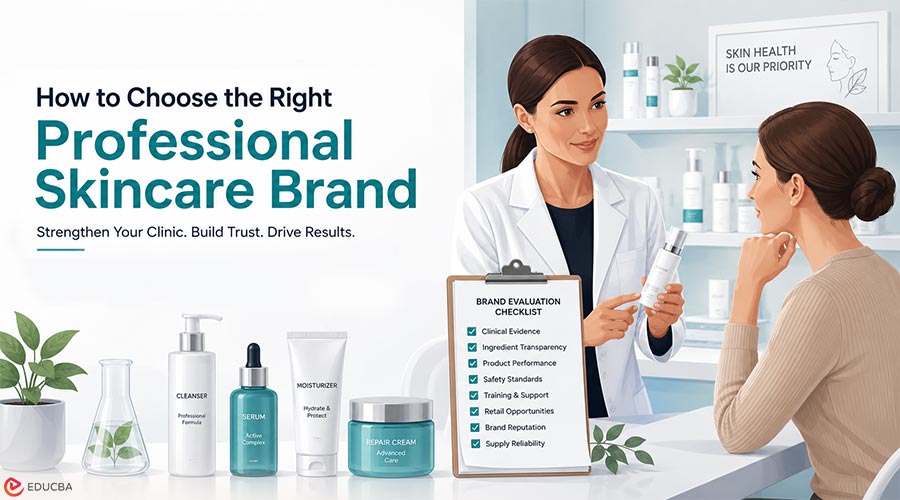
Professional skincare brand selection plays a major role in shaping clinic success in the aesthetics industry. Many clinics lose their competitive edge when they choose brands that do not align with their long-term business goals. Weak formulation quality, insufficient clinical backing, and limited support can erode patient trust and reduce treatment outcomes.
A strong skincare brand supports clinical results and improves patient satisfaction. It also helps clinics build retail revenue, strengthen positioning, and maintain consistency across treatments. The right partner becomes part of the clinic’s growth strategy rather than just a product supplier. This guide explains the key factors for evaluating professional skincare brands. It focuses on practical business and clinical criteria that help protect market position and improve long-term performance.
Understanding Clinic Competitive Positioning
Clinic competitive positioning refers to how a clinic stands out in the aesthetics and skincare market. Service quality, treatment outcomes, pricing strategy, and brand partnerships shape it. A strong position attracts loyal clients and builds long-term trust. Skincare brands play a direct role in this positioning. High-quality brands improve treatment results and strengthen patient confidence. Weak brands can damage reputation and reduce repeat visits. Clients often judge clinics based on visible skin improvements and product performance.
Consistency is also important. A clinic must deliver predictable results across different treatments. Professional skincare brands support this by offering stable formulations and clinical protocols. This improves overall patient satisfaction. Competitive positioning is also linked to perceived value. Clinics that use well-known and clinically supported brands often appear more professional. This helps justify premium pricing and improves conversion rates.
Why Does Professional Skincare Brand Selection Matter?
The selection of skincare brands directly impacts clinic performance. It influences treatment outcomes, patient trust, and long-term business growth. Poor brand choices can limit success and reduce client retention. High-quality professional skincare brands support better skin results. They are formulated with tested ingredients that improve skin health and recovery. This leads to higher patient satisfaction and stronger word-of-mouth referrals. Brand selection also affects clinic reputation.
Clients associate product quality with clinical expertise. A strong brand partnership signals professionalism and clinical credibility. This improves trust during consultations and treatment plans. Revenue is another key factor. Skincare brands can create retail opportunities that support clinic income. Effective brands offer products that patients continue to use at home, thereby increasing lifetime value. Brand selection also impacts treatment consistency. Reliable formulations ensure predictable outcomes across different skin types and conditions. This reduces risks and improves clinical confidence.
Clinical-Grade vs Retail Skincare
Understanding the difference between clinical-grade and retail skincare is essential for clinic success. Clinical-grade products are designed for professional use in treatment environments. They have higher levels of active ingredients and are backed by scientific research. Retail skincare is generally designed for general consumer use. It focuses on mild formulations and daily maintenance. While useful for home care, it often lacks the potency required for advanced clinical treatments.
Clinical-grade skincare supports deeper skin correction. It targets concerns such as pigmentation, acne, aging, and texture issues more effectively. This makes it suitable for combination with in-clinic procedures like peels, lasers, and microneedling. Retail products are often used for post-treatment maintenance. They help maintain results but do not deliver the same level of correction. Clinics that rely only on retail skincare may struggle to achieve visible transformation. Choosing clinical-grade skincare enhances treatment credibility. It allows clinics to offer structured protocols with measurable outcomes. This improves patient confidence and increases treatment satisfaction.
Ingredient Transparency and Formulation Quality
Ingredient transparency is an important consideration when choosing a professional skincare brand. Clinics must understand exactly what is included in each product. Clear labeling and open communication from brands improve trust and safety. High-quality skincare brands provide detailed ingredient lists and scientific explanations. This helps clinics match products to patients’ skin conditions. It also reduces the risk of irritation or adverse reactions.
Formulation quality is equally important. Stable and well-researched formulations ensure consistent results. Poorly developed products can lead to unpredictable outcomes and reduced patient satisfaction. Professional skincare commonly uses active ingredients such as peptides, retinol, hyaluronic acid, and niacinamide. Their effectiveness depends on concentration, delivery system, and stability.
Brand Reputation and Market Trust
Brand reputation plays a major role in clinic success. A well-known skincare brand adds credibility and increases patient confidence. Clients often trust products that are widely used in professional environments. Reputation is built through consistent results and industry presence. Brands that invest in education, research, and clinical trials are generally more trusted. This helps clinics position themselves as professional and reliable. Negative brand reputation can damage a clinic’s performance. Poor reviews, inconsistent results, or a lack of support can reduce patient trust. This directly affects retention and referral rates.
Strong skincare brands often collaborate with dermatologists and skin experts. These partnerships enhance scientific credibility and market authority. Clinics benefit from this association by improving their perception. Market trust also influences retail performance. Patients are more likely to purchase products from recognized and respected brands. This increases retail sales and supports clinic revenue growth. Selecting a reputable brand reduces business risk. It ensures consistent product quality and reliable support systems. This helps clinics maintain stability in a competitive environment. Reputation is not just an external image. It directly affects treatment success, patient satisfaction, and the clinic’s long-term positioning.
Clinical Evidence and Product Validation
Clinical evidence is essential when selecting skincare brands for professional use. It ensures that products are tested and proven to deliver results under controlled conditions. Brands with strong clinical validation provide studies that support product claims. These studies may include dermatological testing, user trials, and ingredient performance analysis. This builds confidence in treatment outcomes. Evidence-based skincare improves clinical decision-making. Practitioners can match products to specific skin concerns with greater accuracy. This reduces trial-and-error in treatment planning.
Lack of clinical evidence increases risk. Products without validation may not deliver consistent results. This can lead to patient dissatisfaction and reduced trust in the clinic. Validated skincare also supports marketing efforts. Clinics can confidently explain the benefits of treatment using proven data. This improves communication and increases conversion rates. Clinical validation often includes before-and-after results. These visuals help demonstrate product effectiveness to patients. This strengthens credibility during consultations. Reliable skincare brands invest heavily in research and development. This commitment ensures continuous product improvement and innovation. Clinical evidence is not optional in professional skincare. It is a foundation for trust, safety, and long-term treatment success.
Training and Professional Support
Training and support from skincare brands are critical for clinic success. Proper education ensures that products are used correctly and safely in treatments. High-quality brands offer professional training programs. These may include workshops, online modules, and in-clinic demonstrations. This helps staff understand product application and treatment protocols. Without proper training, product misuse can occur. This may lead to poor treatment outcomes or reduced effectiveness. Consistency in application is essential for predictable results.
Brand support teams also assist with treatment planning. They help clinics design protocols for different skin conditions. This improves efficiency and treatment success rates. Strong communication channels with brand representatives are also important. Quick access to expert advice helps resolve clinical challenges faster. Training improves patient experience. Well-trained staff can explain treatments clearly and recommend suitable products. This increases trust and compliance. Professional support is a key differentiator between average and premium skincare brands. It directly impacts clinic performance and reputation.
Retail Opportunities and Revenue Growth
Retail skincare is a significant revenue stream for clinics. A strong skincare brand supports product sales beyond treatment sessions. This increases overall profitability. Patients often continue skincare routines at home. Clinics that offer suitable retail products can extend treatment results and improve long-term skin health. This also strengthens patient loyalty. Effective retail strategies rely on trusted brands. Patients are more likely to purchase products recommended during treatment. This creates a natural buying pathway.
Skincare brands that provide retail education improve sales performance. Clear explanations of product benefits increase patient confidence in purchasing decisions. Retail also supports treatment outcomes. Homecare products maintain and enhance clinical results. This leads to better long-term satisfaction. Profit margins in skincare retail can be high when managed correctly. Clinics benefit from selecting brands that offer competitive pricing.
Treatment Compatibility and Protocol Integration
Treatment compatibility is essential when selecting skincare brands. Products must align with clinical procedures such as chemical peels, laser treatments, and microneedling. Compatible skincare enhances treatment outcomes. It supports skin recovery, reduces irritation, and improves overall results. This leads to higher patient satisfaction. Incompatible products can interfere with treatments. They may cause sensitivity or reduce the effectiveness of procedures. This increases risk and affects the clinic’s reputation. Professional skincare brands often provide treatment protocols. These protocols guide clinics on how to safely and effectively combine products with procedures.
Integration improves workflow efficiency. Staff can follow structured systems that ensure consistency across all treatments. This reduces errors and improves patient outcomes. Different skin types require different approaches. A strong skincare brand offers product ranges that support customized treatment plans. This flexibility is important in clinical practice. Compatibility also improves patient safety. Well-designed formulations reduce the risk of adverse reactions during and after treatments. Treatment integration is a key factor in selecting professional skincare. It ensures that products enhance rather than disrupt clinical procedures.
Regulatory Compliance and Safety Standards
Regulatory compliance is an essential factor when choosing a skincare brand. Clinics must ensure that all products comply with the safety and legal requirements in their region. Compliant skincare brands follow strict manufacturing standards. This includes ingredient safety testing, quality control, and proper labeling practices. These standards protect both clinics and patients. Safety is a top priority in clinical environments. Products must be tested for irritation, allergic reactions, and long-term use effects. This reduces clinical risk.
Non-compliant products can create serious issues. They may lead to legal problems, patient harm, or damage to the clinic’s reputation. This makes compliance non-negotiable. Professional skincare brands often align with international standards such as GMP (Good Manufacturing Practice). This ensures consistent product quality. Documentation is also important. Clinics should have access to safety data sheets and product certifications. This supports transparency and accountability.
Supply Chain Reliability and Availability
Supply chain reliability is essential for maintaining consistent clinic operations. Skincare products must be available when needed to avoid treatment delays. Unreliable supply chains can disrupt services. Stock shortages may lead to canceled appointments or changes in treatment plans. This affects patient satisfaction. Professional skincare brands maintain strong distribution systems. This ensures consistent product availability across regions and clinics. Inventory stability supports better business planning. Clinics can forecast usage and manage stock levels more effectively. This improves operational efficiency.
Supply delays can also impact retail sales. Patients expect immediate access to recommended products. Lack of availability reduces trust and revenue. Reliable brands often work with authorized distributors. This helps maintain product authenticity and quality control. Logistics efficiency is also important. Fast delivery times and secure packaging support smooth clinic operations. Supply chain strength is often overlooked but highly important. It directly affects service delivery and patient experience. A stable supply system ensures clinics operate without interruption and maintain high service standards.
Marketing Support and Brand Positioning
Marketing support from skincare brands helps clinics strengthen their market presence. Strong brands provide promotional materials, education tools, and digital assets. These resources help clinics clearly communicate product benefits. This improves patient understanding and increases treatment acceptance rates. Brand-aligned marketing also builds trust. Patients are more confident when they see consistent messaging across clinics and brand platforms. Professional skincare brands often support events and training sessions. These activities improve clinic visibility and industry reputation.
Educational content is another key area of support. Blogs, guides, and videos help clinics explain skincare science to patients. Marketing support also improves retail performance. Well-designed product displays and brochures encourage purchasing decisions. Digital marketing assets like social media content help clinics maintain a strong online presence. This increases engagement and awareness. Strong brand partnerships create a unified message. This positions the clinic as professional, modern, and results-driven. Marketing support is not just promotional. It is a strategic tool for clinic growth and competitive advantage.
Pricing Strategy and Profit Margins
Pricing strategy is a major factor in selecting a skincare brand. Clinics must balance product cost with profitability and patient affordability. High-quality professional skincare brands often provide structured pricing models. These models help clinics maintain healthy profit margins while remaining competitive. Retail pricing plays a key role in revenue generation. Products must be priced to reflect value and clinical effectiveness. Low-margin products may reduce profitability. High-margin products improve revenue but must still deliver results to maintain trust.
Transparent pricing structures help clinics plan better. Predictable costs support long-term financial stability. Premium skincare brands often justify their higher prices with clinical evidence and brand reputation. This supports stronger perceived value. Discounting strategies should be managed carefully. Over-discounting can reduce brand value and affect clinic positioning. Profit margins are not just financial metrics. They directly impact clinic sustainability and growth potential.
Final Decision Framework for Professional Skincare Brand Selection
A structured decision framework is essential when selecting a professional skincare brand. This ensures consistency, safety, and business alignment.
- The first factor is clinical effectiveness. Products must deliver visible, reliable skin improvements across a range of conditions.
- The second factor is brand reputation. Strong market presence and positive reviews indicate reliability and trust.
- Third is ingredient quality. Transparent formulations and safe ingredients are essential for patient safety.
- Fourth is training and support. Clinics must receive ongoing education to ensure correct product use.
- Fifth is commercial viability. Pricing, margins, and retail potential must support business growth.
- Sixth is supply reliability. Consistent product availability ensures uninterrupted clinic operations.
- Seventh is regulatory compliance. Products must meet all safety and legal standards.
Each factor contributes to the clinic’s overall performance. One weakness can affect the system as a whole. A strong skincare brand supports both clinical success and business growth. The final decision must align with long-term positioning goals.
Frequently Asked Questions (FAQs)
Q1. What makes a skincare brand suitable for clinics?
Answer: A suitable skincare brand offers clinical-grade formulations, proven results, safety compliance, and strong professional support for treatment protocols.
Q2. Why is clinical-grade skincare important?
Answer: Clinical-grade skincare contains higher levels of active ingredients and is designed to support advanced aesthetic treatments, delivering better results.
Q3. How does skincare branding affect clinic reputation?
Answer: Strong skincare brands improve trust, enhance perceived professionalism, and support patient confidence in treatment quality.
Q4. Can retail skincare increase clinic revenue?
Answer: Yes. Retail skincare supports homecare routines and creates an additional revenue stream through product sales.
Q5. What is the most important factor in skincare brand selection?
Answer: Clinical effectiveness combined with safety, support, and business alignment is the most important factor for long-term success.
Recommended Articles
We hope this guide on Professional Skincare Brand helps you make informed decisions. Explore these recommended articles for more insights and strategies.

