


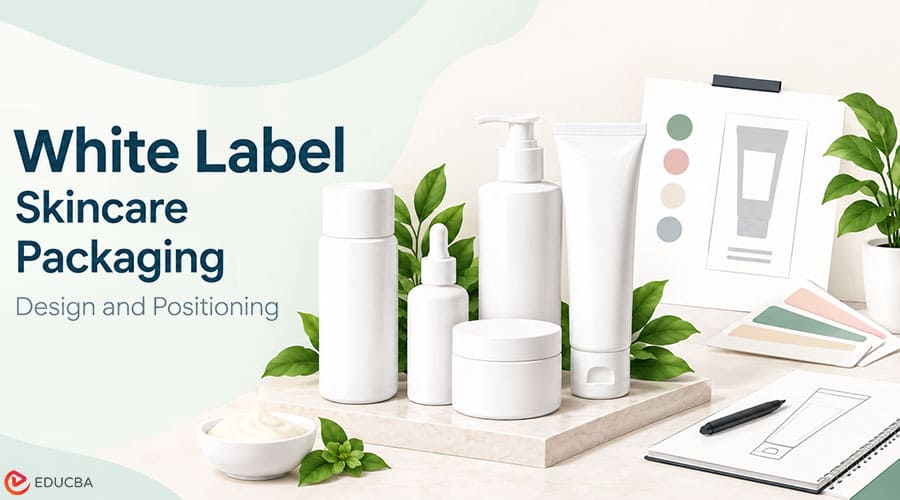
When a formula is pre-developed, packaging becomes the clearest expression of what the product does, who it serves, and why shoppers should trust it. That is the central branding challenge with white label skincare. Ready-to-brand products can reduce formulation work, but they do not create a distinct position on their own. Founders still need to translate a product format into a coherent experience across the shelf, product page, delivery, and repeat purchase. White Label Skincare Packaging plays an important role in this process. It can communicate product benefits, support usability, and help establish a consistent identity across a product range.
Start with positioning, not a decoration catalog. Define the user, routine, usage moment, and intended level of care before choosing a bottle, jar, tube, pump, carton, or finish. CALLA Skincare offers packaging options, including bottles, jars, tubes, boxes, sachets, and labels, along with private-label and formulation support. Confirm specifications, component compatibility, artwork requirements, documentation, and order terms for the specific project before committing.
Begin With a Position White Label Skincare Packaging Can Prove
A position is more than a color palette or a word such as “clean” or “premium.” It is a practical promise about the product’s role in a customer’s routine. A line for efficient, no-fuss routines may favor direct names, easy-to-read benefits, portable formats, and fast dispensing. A ritual-oriented line may use tactile materials, considered secondary packaging, and instructions that encourage slower application. Neither approach is better; the issue arises when the format and visual language contradict intended use.
Choose One Primary Cue
Shoppers usually see the pack before they understand the formula story. Choose the leading cue that organizes the system:
- Clinical clarity: Restrained graphics, precise naming, and information-forward labels.
- Sensory Ritual: Tactile finishes, warm visual cues, and clear application guidance.
- Professional Treatment: Functional dispensing, treatment-step numbering, and retailer or spa education.
- Everyday accessibility: Direct naming, intuitive formats, and easy replenishment.
The cue must guide real decisions. “Modern luxury” does not determine whether a serum needs a pipette, treatment pump, or airless package. “A fast recovery routine for busy professionals” is more useful.
Build a System, Not Isolated Packs
One attractive carton cannot compensate for a confusing line. Product families need a repeatable grammar: brand name in a consistent place, easily scanned product categories, and disciplined variant distinctions. Use color to distinguish steps or concerns only after the core hierarchy is stable. If every SKU has a different layout, shoppers must relearn the range each time. If every SKU looks identical, they may select or repurchase the wrong item. Aim for recognition with enough differentiation to prevent errors.
Let the Component Communicate Product Behavior
Primary packaging is a user interface. Its shape, closure, and dispenser imply texture, hygiene, dosage, portability, and value. Treat those implications as design inputs, then validate them with physical samples.
Match the Component to the Formula and Routine
A pump can signal controlled daily use; a dropper can suggest concentrated application; a jar invites a tactile cream experience; and a tube often communicates convenience and portability. These are conventions, not rules. The key question is whether the component makes the intended application easier and believable. Do not assume a preferred package is compatible with a pre-developed formula.
Request samples and assess leakage, dispensing consistency, closure performance, available label area, shipping resilience, and formula behavior over time in the selected system. A decorative choice that impairs use can harm the brand more than it improves shelf impact. Packaging is also part of product control. Evaluate containers and closures for safety, compatibility, and their ability to protect the product throughout its intended life.
Review the Full Handling Sequence
Use this checklist before approving a component:
- Can the buyer identify the product without opening the carton?
- Is the opening intuitive and sufficiently protective in transit?
- Can the user dispense it with wet hands or during the intended routine?
- Does the pack leave excessive product inaccessible?
- Will the label remain legible and presentable through normal use?
- Does the pack fit the intended shelf, bag, shipping, and disposal context?
This review often exposes gaps between e-commerce photography and physical use. It also helps distinguish a package that looks premium from one that supports the actual routine.
Use Label Hierarchy to Reduce Decision Friction
Decoration should clarify the offer before embellishing it. A crowded front label can make a new brand look uncertain, while an overly minimal front can leave shoppers unable to understand what they are buying.
Put Useful Information First
| Priority | Shopper Question | Packaging Role |
| 1 | Who makes this? | Establishes brand recognition |
| 2 | What is it? | States the product type clearly |
| 3 | When or why would I use it? | Signals routine role without overclaiming |
| 4 | Which version is this? | Distinguishes variants and related SKUs |
| 5 | What else do I need to know? | Moves supporting detail to side, back, carton, or digital content |
Use plain-language product names. A distinctive collection name can be memorable, but it should not replace the functional category. “Dew Reset” may be useful branding; “hydrating facial serum” removes ambiguity.
Treat Claims as a Governance Issue
Claims must fit the intended product category and be truthful and non-misleading. In the United States, claims implying therapeutic use or an effect on the body’s structure or function can cause a product to be regulated as a drug rather than solely as a cosmetic. This has a direct packaging consequence: reserve space and approval time for final legal information. Do not squeeze ingredients, directions, warnings, identity, and business information onto a label after the design is complete.
A manufacturer may provide support such as ingredient lists, certificates of analysis, safety data sheets, or product specifications. That support does not remove the brand’s responsibility to establish who reviews the final label, claims, market-specific requirements, and retained records. For U.S. cosmetics, the responsible person is generally the manufacturer, packer, or distributor whose name appears on the label. The responsible person may have obligations related to product listing and serious adverse-event reporting. Confirm the allocation of responsibilities contractually, and obtain qualified regulatory advice for every market where the product will be sold.
Make Secondary Packaging Earn its Place
Unboxing matters when it adds clarity, protection, or routine value. It does not require elaborate inserts or unnecessary layers. A well-designed shipment answers the questions that arise after purchase: what arrived, how to begin, what order to use products in, and where to find further guidance. For a multi-product line, a small routine card or clear carton-side sequencing can reduce friction without repeating the entire product page.
Use Cartons Selectively in White Label Skincare Packaging
Cartons can provide protection, room for instructions and required information, merchandising value, and a more giftable presentation. They should still earn their place. For a simple repeat-purchase product, durable labeling and dependable opening may matter more than extra complexity.
For retailer or distributor presentations, prepare physical samples that show the complete shelf system, not only a hero SKU. Buyers need to assess pack dimensions, barcode placement, readability, differentiation, and how the range merchandises as a set.
Align Digital and Physical Identity
The pack should match product-page photography, variant naming, instructions, and marketing language. If the online experience is calm and technically precise while the pack feels playful and crowded, the customer receives two different brands. Maintain an artwork master for labels, cartons, mailers, inserts, retailer assets, and product-page images. Version control becomes especially important after formula, ingredient, claim, or artwork changes.
Move From Catalog Product to Distinct Brand
Private-label and white-label skincare let brands focus on what customers can perceive: curation, positioning, packaging, communication, and service. Packaging cannot solve every commercial problem, but it can make the chosen audience and routine unmistakable. Start with a narrow positioning statement. Select packaging that improves the intended application.
Build a label hierarchy that makes selection easy. Test the assembled experience with real samples before approving production artwork. Before ordering, verify component specifications, formula-package compatibility, decoration options, documentation, commercial terms, and applicable regulatory obligations. The result should be a package system that is visually differentiated, usable, defensible, and easy for customers to understand.
Frequently Asked Questions (FAQs)
Q1. What is the difference between white label and private label skincare?
Answer: Terminology varies by supplier. White label often means ready-developed products sold under a buyer’s brand, while private label may include more customization. Confirm the supplier’s definitions, formula options, packaging scope, and documentation.
Q2. Can packaging make a pre-developed skincare product distinctive?
Answer: Yes. The component, dispenser, information hierarchy, visual system, and routine guidance can make the offer easier to recognize and use. The distinction should reflect a real audience and application concept, not only a decorative trend.
Q3. Who is responsible for U.S. cosmetic labeling and related obligations?
Answer: Responsibilities depend on the product and commercial arrangement. Manufacturer support may be valuable, but the brand and responsible person must clearly assign label review, claims approval, reporting, listing, and recordkeeping duties. Seek qualified regulatory advice for the launch market.
Q4. Should every skincare product use a carton?
Answer: No. A carton can provide protection, space for required information, and stronger retail presentation, but it should suit the distribution channel and use case. Review shipping needs, labeling requirements, retailer expectations, and customer experience before deciding.
Recommended Articles
We hope this comprehensive guide to white label skincare packaging helps you create a distinctive and practical skincare brand experience. Check out these recommended articles for more insights and strategies to strengthen your product packaging and branding.

