


Building a Thriving Limo Business: From Fleet to Customers
The limousine industry blends elegance with functionality, offering clients a premium travel experience for weddings, corporate events, proms, airport transfers, and special nights out. Behind the polished appearance of a chauffeur and the gleaming vehicle lies a complex business model that demands meticulous planning, strategic investment, and excellent customer service. For entrepreneurs aiming to tap into this niche, the rewards can be substantial, but so are the challenges. Understanding the essential steps in how to start a Limo Business is the foundation for turning a vision into a profitable reality. From licensing and fleet selection to marketing and customer retention strategies, each decision influences your ability to compete in a market where reliability and presentation are everything.
Understanding the Industry Landscape
Before investing in a fleet, it is crucial to study the limousine service market in your target area. Research competitors, pricing models, and service offerings to identify gaps you can fill. Some areas may have high demand for corporate transportation, while others thrive on wedding packages or event-based services.
Look into seasonal trends, as certain months might bring spikes in bookings due to graduations, prom season, or tourism peaks. Understanding demand cycles allows you to optimize vehicle use and staffing, reducing downtime and maximizing profit potential.
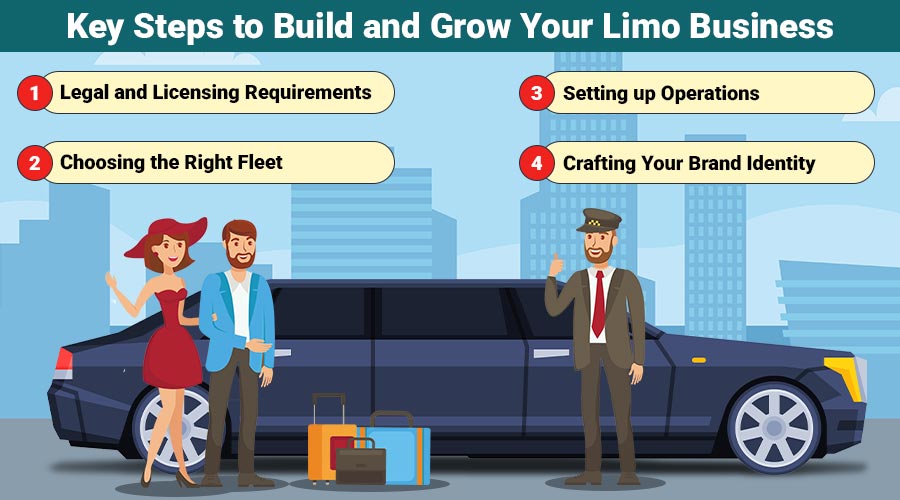
Key Steps to Build and Grow Your Limo Business
Starting and running a successful limo business involves several important areas:
1. Legal and Licensing Requirements
Starting a limousine service involves more than buying a few vehicles and hiring drivers. Operators must comply with local, state, and federal transportation laws. Requirements may include:
- Business registration and operating licenses.
- Commercial driver’s licenses (CDLs) for chauffeurs.
- Passenger transport permits.
- Liability and commercial vehicle insurance.
Regulations vary by location, so consulting with a transportation attorney or your local Department of Motor Vehicles is a wise step. The U.S. Small Business Administration offers valuable resources for understanding business licensing and regulatory requirements, making it an excellent starting point for new entrepreneurs.
2. Choosing the Right Fleet
The vehicles you choose define your brand. Some operators focus solely on luxury sedans and SUVs, catering to business travelers, while others offer stretch limousines, party buses, or vintage cars for special events.
When selecting your fleet, consider factors like:
- Target clientele and their preferences.
- Maintenance costs and fuel efficiency.
- Vehicle capacity for various group sizes.
- Accessibility for clients with special needs.
A balanced fleet can help you attract different customer segments and increase booking opportunities year-round.
3. Setting Up Operations
An efficient operations framework ensures smooth service delivery. This includes:
- Booking system: Whether phone-based, online, or mobile app, it must be user-friendly.
- Dispatching tools: Assign vehicles and drivers quickly while tracking locations in real time.
- Driver scheduling: Manage shifts to prevent fatigue and ensure coverage.
- Maintenance tracking: Schedule regular inspections to keep vehicles in pristine condition.
Adopting dedicated limo management software can streamline these processes, reduce errors, and improve customer satisfaction.
4. Crafting Your Brand Identity
In a competitive market, branding goes beyond a logo. It is about how clients perceive your service from their first interaction to the last. Elements to focus on include:
- Professional website and consistent social media presence.
- Uniformed, courteous drivers.
- Clean, well-maintained vehicles.
- Prompt, clear communication with clients.
Your brand should convey the qualities of trust, reliability, and sophistication that clients expect when booking a premium transportation service.
5. Pricing Strategies
Setting rates requires balancing profitability with competitiveness. Consider the following factors:
- Local market averages.
- Operating costs, including fuel, maintenance, and insurance.
- Peak season surcharges.
- Discounts for repeat customers or large group bookings.
Transparent pricing builds trust. Avoid hidden fees that can frustrate clients and damage your reputation.
6. Marketing Your Service
Even with a perfect fleet and trained drivers, your business would not grow without visibility. Effective marketing strategies include:
- Search Engine Optimization (SEO) to appear in local transportation searches.
- Google Business Profile listing for better map visibility.
- Partnerships with event planners, hotels, and corporate travel departments.
- Social media ads showcase your fleet and happy customers.
Word-of-mouth referrals remain powerful in the limo industry. Motivate happy clients to share their feedback and post reviews online.
7. Delivering Exceptional Customer Service
Luxury transportation customers expect more than just a ride; they want an experience. Train your chauffeurs to:
- Arrive early and prepared.
- Assist clients with luggage.
- Maintain a professional, courteous demeanor.
- Offer small touches, like bottled water or Wi-Fi access.
Exceptional service not only earns tips and repeat bookings but also strengthens your reputation in the community.
8. Leveraging Technology for Growth
Technology is no longer optional in the limo industry. Tools like GPS tracking, automated booking confirmations, and digital payment systems enhance efficiency. Data analytics can reveal peak booking times, popular routes, and customer preferences, helping you adjust services to maximize revenue.
Mobile apps for customers make booking easier and provide transparency with vehicle tracking and driver contact details. These features improve client satisfaction and reduce no-shows.
9. Scaling the Business
Once operations are running smoothly, consider expansion strategies:
- Adding new vehicle types to your fleet.
- Offering specialized services, such as wine tours or VIP event transport.
- Expanding service areas to neighboring cities.
- Franchising your brand to other entrepreneurs.
Growth should be strategic and sustainable. Expanding too quickly without maintaining quality can harm your reputation.
Overcoming Common Challenges
Like any business, limo businesses face obstacles such as fluctuating fuel prices, economic downturns, or increased competition from ride-sharing platforms. Staying adaptable is key. Monitor industry trends, invest in training, and keep your fleet modern to remain relevant. Building strong relationships with loyal clients can also provide a safety net during slow periods. Corporate contracts or exclusive event partnerships can generate steady revenue regardless of market conditions.
The Future of the Limo Business
The limousine industry continues to evolve, driven by technology and changing consumer expectations. Electric luxury vehicles, AI-driven route optimization, and personalized service packages will likely shape the industry’s future. Entrepreneurs who stay ahead of these trends, maintain high service standards, and adapt quickly to market shifts will be best positioned for long-term success.
Final Thoughts
Starting a limo business requires a combination of strategic planning, legal compliance, smart investments, and outstanding customer service. It is a business where presentation, punctuality, and professionalism are non-negotiable. By focusing on industry research, building a strong operational foundation, and consistently exceeding customer expectations, aspiring limo operators can turn their vision into a thriving enterprise that delivers both financial rewards and personal satisfaction.
Recommended Articles
We hope this guide to starting a limo business helps you get started. Explore these recommended articles for more tips and strategies to grow your business successfully.

