


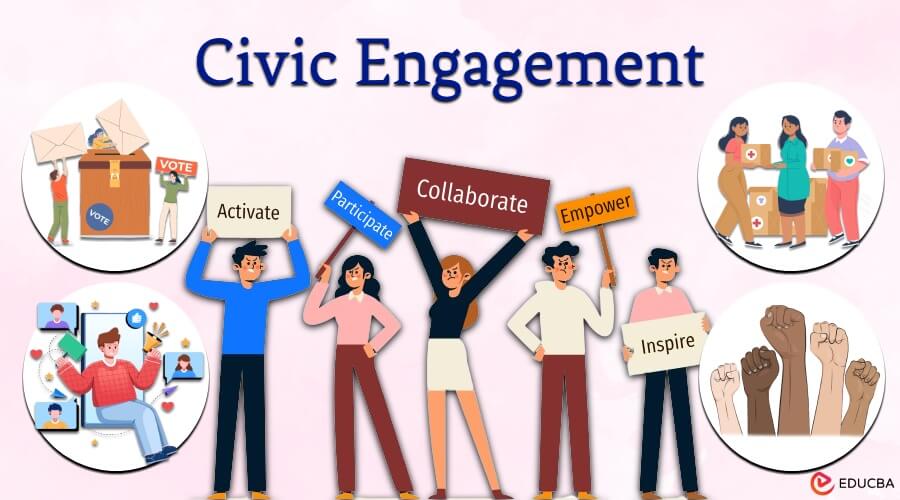
Civic engagement is not limited to voting in elections or joining political movements. It also includes volunteering at a local shelter, helping organize a neighborhood clean-up, raising awareness about a public issue, and contributing to decisions that affect your community. These everyday actions allow people to make their voices heard and work toward meaningful change.
From community service and advocacy to digital participation and charitable giving, civic engagement takes many forms. It helps people understand local issues, build stronger relationships, and contribute to the public good.
This article explores what civic engagement means, its major types and benefits, the barriers that prevent participation, and practical strategies to encourage greater involvement. It also examines real-world examples that show how individual and collective action can influence communities and society.
Key Takeaways
- Civic engagement involves participating in activities that influence public life, strengthen communities, and address shared concerns.
- Common forms of civic engagement include voting, volunteering, advocacy, community organizing, and digital participation.
- Active civic participation can promote accountability, improve problem-solving, and strengthen relationships among community members.
- Limited time, financial constraints, accessibility issues, and distrust can prevent people from participating.
- Education, accessible opportunities, collaboration, and technology can help encourage greater civic participation.
How Civic Engagement Has Evolved
Civic engagement has developed alongside changes in political systems, social movements, and communication technologies. Although its methods have changed over time, the central idea remains the same: people can contribute to decisions and activities that affect their communities.
The following periods illustrate how civic participation has evolved.
1. Ancient Civilizations
In ancient Greece, eligible citizens participated in public discussions and political decision-making. These practices influenced later ideas about citizenship and democratic participation, although participation was restricted and excluded many groups.
2. Medieval Guilds and Communities
During the Middle Ages, guilds and local communities gave people opportunities to cooperate on shared economic and social concerns. Community organizations helped members coordinate activities and support local development.
3. The Enlightenment and the Rise of Civil Society
The Enlightenment encouraged discussion of individual rights, political authority, and citizens’ responsibilities. As civil society organizations grew, people had more opportunities to discuss public issues and advocate for change.
4. Social Movements of the 19th and 20th Centuries
Movements for women’s suffrage, civil rights, and workers’ rights demonstrated how collective action could challenge existing systems. Protests, public campaigns, petitions, and organized advocacy highlighted inequality and demanded legal reform.
5. Modern Civic Engagement
Digital communication has expanded the ways people participate in public life. Social media, online petitions, digital campaigns, and virtual community meetings let people share information and coordinate activities faster. Movements such as Black Lives Matter and #MeToo have also demonstrated how online discussions can increase awareness of social issues.
However, modern participation still faces challenges, including misinformation, unequal access to technology, political disengagement, and limited trust in institutions. These issues highlight the importance of informed, inclusive, and responsible civic participation.
8 Types of Civic Engagement With Examples
Civic engagement can take many forms, including political participation, community service, education, advocacy, and other activities. People can choose the forms that suit their interests, available time, skills, and resources.
1. Voting and Political Participation
Voting allows eligible citizens to choose representatives who make decisions about public services, laws, and government policies. Political participation also includes attending public meetings, contacting elected representatives, and sharing opinions on proposed policies.
For example, residents concerned about public transportation may attend a local consultation or contact their representatives to request improved bus services. Such participation helps communicate community needs to decision-makers.
2. Community Service and Volunteering
Community service involves contributing time and effort to activities that benefit other people. Volunteers may work with shelters, schools, nonprofit organizations, environmental groups, or neighborhood initiatives.
For example, residents can organize a park clean-up, distribute essential supplies, tutor students, or help an organization arrange a community event. These activities address local needs while encouraging cooperation among participants.
3. Advocacy and Activism
Advocacy involves supporting a cause or promoting a change in policy, practice, or public awareness. Activism may include organizing campaigns, signing petitions, participating in peaceful demonstrations, and communicating concerns to relevant authorities.
For instance, a group of residents may campaign for safer pedestrian crossings near a school. By documenting the issue, building community support, and contacting the responsible authorities, they can highlight a practical safety concern.
4. Civic Education and Awareness
Civic education helps people understand their rights, responsibilities, public institutions, and opportunities to participate in civic life. Access to trustworthy information helps people make informed choices and participate more actively in addressing community concerns.
Schools, community organizations, and educational institutions can arrange workshops or discussions about elections, local government, public services, and civic responsibilities.
For example, students who learn how local councils operate may become better equipped to understand how community decisions are made and where residents can raise concerns.
5. Community Organizing
Community organizing brings people together to identify shared problems and develop collective solutions. It often involves identifying local priorities, organizing meetings, coordinating volunteers, and working with organizations or public authorities.
For example, residents may form a neighborhood group to address irregular waste collection. They can document recurring problems, discuss possible solutions, and communicate with the responsible municipal department.
This form of engagement encourages residents to take an active role in improving their surroundings rather than relying entirely on others to address local issues.
6. Social Entrepreneurship
It applies business skills and innovative approaches to social, cultural, or environmental problems. Social entrepreneurs develop products, services, or organizations that aim to create positive social outcomes.
For instance, an entrepreneur might establish an affordable tutoring service for students from underserved communities or create a business that helps local artisans reach more customers.
Social entrepreneurship can contribute to civic engagement when its activities address community needs and encourage wider participation in solving shared problems.
7. Digital Civic Engagement
Digital civic engagement involves using online platforms and communication tools to participate in public life. Activities include signing online petitions, attending virtual consultations, sharing verified information, participating in public discussions, and supporting awareness campaigns.
For example, residents may use an official civic platform to report a damaged road or submit feedback about a proposed local development project.
Digital participation makes some activities more convenient, particularly for people who cannot attend meetings in person. However, users should verify information before sharing it and remember that not everyone has equal access to internet services or digital tools.
8. Philanthropy and Charitable Giving
Philanthropy and charitable giving involve donating money, goods, resources, or time to support organizations and causes. Contributions can help address needs related to education, food security, disaster relief, healthcare access, and environmental protection.
For example, individuals may donate books to a community library, contribute supplies to a relief drive, or support a nonprofit organization providing educational resources.
Financial donations are not the only option. People who cannot contribute money can offer their time, skills, or other useful resources.
Why Civic Engagement Matters
Civic engagement can benefit individuals, communities, and society by encouraging participation, cooperation, and accountability. Its impact depends on the activity, the needs being addressed, and the opportunities available to participants.
1. Empowers Individuals
Civic engagement gives people opportunities to voice concerns, share ideas, and help shape decisions that affect their lives. When individuals understand how to raise issues or contribute to public discussions, they may feel more confident about influencing community outcomes.
For example, residents who participate in a public consultation can explain how a proposed change might affect their neighborhood.
2. Builds Stronger Communities
Community projects encourage people to work toward shared goals. Activities such as neighborhood clean-ups, community gardens, and volunteering initiatives can help residents develop relationships and a stronger sense of belonging.
For example, a community garden encourages residents to work together, share gardening skills, and help create a healthier neighborhood.
3. Encourages Social Cohesion
Civic activities can bring together people from different backgrounds who share common concerns. Working toward a shared objective can encourage cooperation, improve understanding, and create opportunities for constructive discussion.
This does not eliminate every disagreement, but it can help people recognize common interests and develop more respectful ways to address differences.
4. Strengthens Political Participation and Accountability
Voting, advocacy, public consultations, and communication with elected representatives give citizens ways to express their views and seek explanations for public decisions.
When people remain informed and participate in civic processes, public institutions have more opportunities to understand community concerns. Effective participation can also encourage transparency and accountability.
5. Improves Community Problem-Solving
Civic engagement helps residents identify problems, exchange ideas, and work toward practical solutions. Local knowledge can be valuable because people who experience an issue directly may understand its effects on daily life.
For example, residents may identify poorly lit streets as a safety concern and work with the relevant authorities to request improvements.
6. Supports Personal Development
Participating in civic activities can help individuals develop communication, teamwork, organization, leadership, and problem-solving skills.
For example, students who volunteer for a community initiative may gain experience coordinating tasks, communicating with different groups, and managing responsibilities. These skills can also be useful in education and professional life.
7. Improves Community Well-Being
Civic participation can improve shared spaces, strengthen support networks, and increase awareness of local needs. Community-led activities may improve public spaces, support vulnerable residents, or encourage more responsive services.
Although civic engagement cannot solve every social problem on its own, sustained participation can help communities identify priorities and work toward improvements.
What Prevents People From Participating in Civic Life?
Although civic engagement offers several benefits, individuals may encounter practical, social, or institutional obstacles that limit their participation. Understanding these barriers can help communities develop more inclusive opportunities.
1. Lack of Time and Resources
Work schedules, education, caregiving responsibilities, and household commitments can make it difficult to attend meetings or volunteer regularly. Financial constraints may also limit participation when activities involve transportation, membership fees, or other expenses.
Organizations can help by offering flexible schedules, free participation opportunities, and activities that require manageable time commitments.
2. Limited Awareness and Education
Some people may not know how local government operates, where to find civic opportunities, or how to communicate concerns to the appropriate authorities. Limited access to reliable information can make participation more difficult.
Schools, libraries, community organizations, and public institutions can improve awareness by sharing clear information about civic rights, responsibilities, and available opportunities.
3. Accessibility and Digital Barriers
Transportation difficulties, inaccessible venues, language differences, and inadequate facilities can prevent people from attending civic activities. Digital participation can also create obstacles for people without reliable internet access or sufficient digital skills.
Providing accessible venues, translated information, remote participation options, and appropriate assistance can help make civic activities available to more people.
4. Distrust and Political Disengagement
Some individuals may feel that public institutions do not listen to their concerns or that their participation will not lead to meaningful change. Past negative experiences, dissatisfaction with political processes, or limited communication from authorities can contribute to disengagement.
Institutions and community organizations can address these concerns by communicating clearly, explaining decisions, and reporting back on what happens after people provide feedback.
5. Social Exclusion and Fear of Negative Consequences
Discrimination, underrepresentation, political polarization, and unequal access to decision-making can discourage participation. In some settings, individuals may also worry about negative consequences for expressing their views.
Creating respectful spaces for participation, protecting legitimate civic rights, and ensuring different community perspectives are considered can help reduce these barriers.
6. Misinformation and Limited Civic Knowledge
Misleading information can make it difficult for people to understand public issues and evaluate proposed solutions. A limited understanding of civic processes may also prevent individuals from identifying reliable information or choosing appropriate ways to participate.
Civic education, media literacy, and transparent public communication can help people make better-informed decisions.
How to Increase Civic Engagement
Increasing civic engagement requires cooperation among individuals, community organizations, educational institutions, businesses, and public authorities. The following strategies can make participation more accessible, practical, and meaningful.
1. Improve Education and Awareness
People are more likely to participate when they understand how civic processes work and where their involvement can make a difference. Schools and community organizations can arrange workshops, discussions, and educational campaigns about public institutions, civic rights, and community issues.
Information should be clear, accurate, and accessible to people with different levels of education and language proficiency.
2. Make Participation More Accessible
Organizations can reduce barriers by offering flexible meeting times, accessible venues, transportation assistance, childcare support, and, where appropriate, online participation options.
For example, a community group that provides both in-person and virtual meetings may allow more residents to participate despite work or family commitments.
3. Use Technology Responsibly
Digital platforms can help people learn about local issues, coordinate volunteers, submit feedback, and share information about civic activities. Public institutions can also use online consultations to collect community feedback.
However, digital engagement should complement, not replace, offline opportunities. Organizations should also encourage fact-checking and responsible communication.
4. Encourage Community Organizing
Residents can identify shared concerns and work together to address them. Community meetings, neighborhood groups, volunteer initiatives, and local improvement projects offer practical ways to participate.
Community groups can support these initiatives by providing guidance, supplying materials, and connecting residents with the right organizations.
5. Involve Young People
Schools, colleges, and youth organizations can encourage students to participate in civic activities through volunteering, student councils, community projects, and educational campaigns.
Early opportunities to participate can help young people understand public issues, practice leadership, and develop a lasting interest in community well-being.
6. Build Partnerships and Collaboration
Community organizations, businesses, educational institutions, and government agencies can combine their knowledge and resources to address shared concerns.
For example, a local environmental organization might work with a school and municipal authorities to organize a waste-reduction campaign. Collaboration can help distribute responsibilities and make community initiatives more effective.
7. Respect Cultural Differences
Communities often include people with different languages, traditions, experiences, and perspectives. Civic activities should recognize these differences and provide opportunities for a broad range of people to participate.
Inclusive communication, consulting different community groups, and avoiding assumptions about people’s needs can create more welcoming opportunities for participation.
8. Recognize Contributions
Acknowledging volunteers and community organizers can encourage continued participation and show that their efforts are valued. Recognition can include appreciation events, certificates, public acknowledgments, or opportunities to share project outcomes.
Recognition should complement meaningful involvement rather than replace addressing participants’ concerns.
9. Strengthen Institutional Support
Public institutions can encourage civic participation by making information available, responding to community concerns, explaining decisions, and creating clear opportunities for feedback.
Supportive policies, accessible public consultations, and transparent communication can help people understand how to participate and what happens after they do.
10. Start With One Manageable Action
Individuals do not need to join a major movement to become civically engaged. They can begin by learning about a local issue, attending a community meeting, volunteering for a short activity, or sharing verified information about an important concern.
Choosing one manageable action makes participation more practical and can help individuals build confidence before taking on additional responsibilities.
Real-World Examples of Civic Engagement
Civic engagement can influence public policy, increase awareness of social issues, strengthen community relationships, and provide assistance during difficult circumstances. The following examples illustrate different forms of participation.
1. The American Civil Rights Movement
The Civil Rights Movement involved individuals and communities organizing to challenge racial discrimination and demand equal rights. Participants used peaceful protests, boycotts, public campaigns, and advocacy to highlight segregation and unequal treatment.
These joint actions helped bring about major legal reforms, such as the Civil Rights Act of 1964 and the Voting Rights Act of 1965. The movement shows how sustained public participation can shape national dialogue and legal reform.
2. The Arab Spring
Beginning in 2010, the Arab Spring involved protests and pro-democracy uprisings across parts of the Middle East and North Africa. Participants mobilized over concerns about political repression, corruption, and economic hardship.
Social media and grassroots organizing helped people share information and coordinate activities. Outcomes varied across countries, demonstrating that civic mobilization can create significant political pressure but does not guarantee lasting democratic change.
3. Community Gardens in Urban Areas
Community gardens exemplify local civic engagement through shared responsibility. Residents work together to cultivate land, maintain gardens, and improve neighborhood spaces.
These initiatives can encourage cooperation, provide opportunities to learn about growing food, and improve the appearance of shared areas. They also allow residents to take practical action on local environmental and community concerns.
4. The Women’s March
The Women’s March began with large demonstrations in January 2017 and was followed by further marches and related activities. Participants gathered to advocate for women’s rights and express views on a range of social and political issues.
The marches showed how public demonstrations can unite people around shared concerns and increase visibility for advocacy campaigns.
5. The Black Lives Matter Movement
Black Lives Matter emerged in 2013 and became widely known for its advocacy against racial injustice and police violence. Participants have used protests, community organizing, online campaigns, and public discussions to raise awareness of these issues.
The movement shows how local organizing and digital communication can highlight social concerns and shape public debate.
6. The #MeToo Movement
The #MeToo movement gained international visibility in 2017 and encouraged discussions about sexual harassment and assault. Survivors, advocates, and supporters used social media, public statements, and organized initiatives to highlight experiences that had often gone unreported or unaddressed.
The movement helped expand public discussion about workplace conduct, accountability, and support for survivors. It demonstrates how digital advocacy can connect people and increase awareness of an issue.
7. Community-Led Disaster Relief Efforts
Following natural disasters, residents and volunteers often organize donations, distribute essential supplies, coordinate temporary assistance, and help affected families access resources.
These efforts show how civic engagement can meet immediate community needs. Cooperation among volunteers, nonprofit organizations, and public authorities can help coordinate assistance and direct resources toward affected people.
Frequently Asked Questions (FAQ’s)
Q1. What is the difference between civic engagement and political participation?
Answer: Civic engagement is a broad term for activities through which people contribute to public life and community well-being. Political participation is one part of civic engagement and includes activities such as voting, contacting elected representatives, and participating in political campaigns. Volunteering and neighborhood improvement projects are also forms of civic engagement.
Q2. How can students participate in civic engagement?
Answer: Students can volunteer for community initiatives, participate in student councils, organize awareness campaigns, join environmental projects, and learn about local government. They can also join discussions about public issues and share reliable information with peers.
Q3. What is the role of social media in civic engagement?
Answer: Social media allows people to share information, raise awareness, coordinate volunteers, and discuss public concerns. It can help campaigns reach wider audiences quickly. However, participants should verify information before sharing it and recognize that online engagement does not always lead to practical action.
Q4. How does civic engagement strengthen democracy?
Answer: Civic engagement gives people opportunities to express their views, participate in public decisions, and hold institutions accountable. Activities such as voting, public consultations, and advocacy help decision-makers understand community concerns. Inclusive and informed participation can support transparency and public trust.
Q5. Can volunteering be considered civic engagement?
Answer: Yes. Volunteering is a common form of civic engagement because it allows people to contribute their time and skills to activities that benefit others. Examples include helping at community shelters, supporting educational initiatives, participating in clean-up drives, and assisting with disaster relief.
Final Thoughts
Civic engagement lets people play an active role in addressing concerns that affect their communities and society more broadly. From voting and volunteering to raising awareness and joining local initiatives, people can participate in different ways depending on their interests, time, and resources.
Getting involved does not require leading a major campaign or organizing a large movement. Start by identifying a local concern, learning about the available opportunities, and taking one meaningful step. Consistent participation can help build stronger communities, encourage accountability, and create opportunities for collective progress.
Recommended Articles
We hope this guide to civic engagement helps you understand its different forms, benefits, and practical applications. Explore our recommended articles for more insights into civic responsibility, community development, social change, and public participation.

