


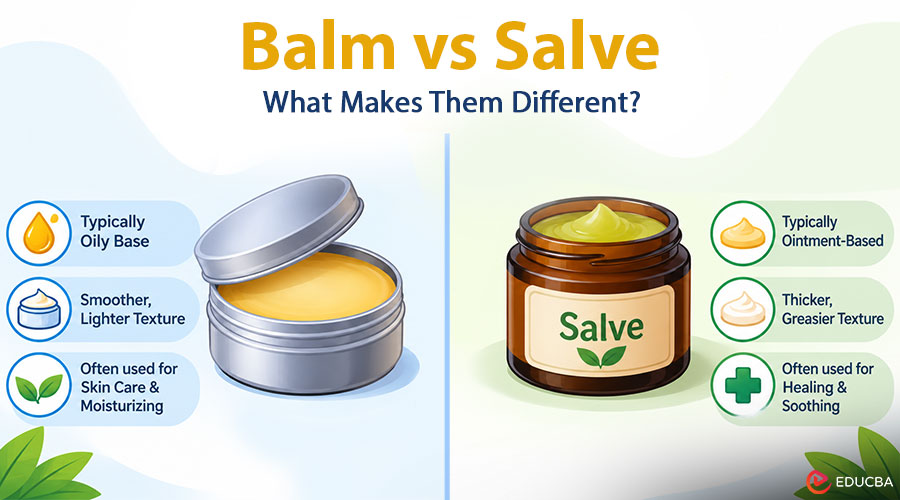
Two jars sit side by side on a shop shelf. One says balm, the other says salve. Both look fairly similar, and neither name tells you much about what the product will feel like when you open it. Shopping online makes that comparison harder. You can study the photographs and read the description, but you cannot check the scent or try a little on your hands. The useful information has to come from the label and the seller. Fortunately, choosing between balm vs salve does not require learning a whole new vocabulary. It helps to know which details matter, which words leave room for interpretation, and what to ask when a description is incomplete.
Start With the Product’s Intended Use
Before comparing ingredients or prices, check what each product is actually intended for. The word balm appears on everything from lip products to facial cleansers and body-care jars. Those products can have very different directions. A cleansing balm meant to be rinsed away is not interchangeable with a leave-on body balm simply because both share a name. Salve labels also need to be read in context. The name alone does not establish where to apply something, how often to use it, or what results to expect.
Look for a clear description of the product and the area where it is intended to be used. Then read the directions and precautions. If the front label and the online description seem to describe different uses, ask the company to clarify before ordering. That first check can quickly rule out products. There is little point in comparing the texture of two jars if only one suits the use you have in mind.
Balm vs Salve: How the Formula Makes a Difference?
Brands sometimes use balm and salve to describe similar products. Others make a distinction within their own range, perhaps using balm for a firmer product and salve for a softer one. That distinction does not necessarily carry over to another company. Many products in these categories contain combinations of oils, waxes, and butters. The particular ingredients and their proportions affect the finished texture. A product may be firm enough to scoop, soft enough to spread easily, or somewhere in between.
Read descriptions that explain those qualities. “Firm in the jar” offers more useful information than “luxurious.” A photograph of an open container may also help, especially if it shows the actual product surface. If texture matters to you and the description says little about it, ask a specific question. Does it require warming between the fingers? Does it leave an oily finish? Is it closer to a solid balm or a soft ointment? A useful answer should describe the experience plainly.
Decide Which Qualities You Will Actually Enjoy
A product can have attractive packaging and still be a poor match for your routine. Someone using a balm before getting dressed may prefer a different finish from someone applying it during a quiet evening at home. A noticeable scent might be welcome to one person and distracting to another. Think about when you would use the product, what you would be doing afterward, and what has bothered you in similar purchases. That gives you a practical way to compare options.
Instead of asking which jar is “best,” you can ask which one is most likely to suit your preferences. Product names such as Original and Cooling can provide a starting point, but they still need supporting detail. Original does not automatically mean fragrance-free. Cooling does not explain the full formula or confirm it suits every user.
One brand preparing options in this category is Mountain Legend Balm Co., which is introducing a planned range of balms and salves, including Original and Cooling versions. Its website is currently in the coming-soon stage, so shoppers will need to review the final product information when it becomes available. The same approach applies to any new range: get to know the brand, then judge the individual products by their published details.
Read the Ingredients Before the Marketing Description
A product description tells a story about the jar. The ingredient list explains what is inside. Check the full list, especially if you already know which ingredients you prefer to avoid. Do not assume that a familiar-looking product has the same formula as something you have used before. Words such as natural, botanical, or traditional are not substitutes for that check. They do not tell you whether a product contains fragrance, which oils are used, or whether a particular ingredient is present.
A shorter list is not automatically better, either. Its usefulness depends on what the ingredients are and how the finished product suits the person using it. If a product page is missing information, look for a readable label photo or ask the seller. You should not have to place an order simply to discover the contents. If you have a known allergy or concerns about a specific skin condition, consult a qualified professional and share the ingredient list to determine whether the product is suitable for you.
Compare Net Contents, Not the Apparent Size
Product photographs can make jars of very different sizes look almost identical. Check the stated net contents before comparing prices. The outside dimensions of the container help you decide whether it fits in a bag or cabinet, but they do not tell you how much product it holds. For a basic price comparison, use the same measurement for both products. A $24 jar containing four ounces costs $6 per ounce. An $18 jar containing two ounces costs $9 per ounce.
That calculation does not decide which product is better. It makes the price difference easier to understand. Then consider shipping and how much you are likely to use. A larger jar may offer a lower price per ounce, but a smaller one can make more sense when trying an unfamiliar formula. Buying extra to reach a shipping threshold only makes sense if you want the extra products anyway.
Think About the Container After It Arrives
A jar has a job beyond looking good in a photograph. It needs to close securely, store conveniently, and let you use the product as directed. Consider whether it will stay at home, travel in a weekend bag, or be carried regularly. Check the storage instructions rather than assuming every balm or salve can be left in the same conditions.
Avoid treating a car glove compartment as permanent storage unless the product information supports that use. Once opened, handle the product as directed. Keep the lid and container clean, and avoid introducing water or dirt. If an applicator is supplied or recommended, follow the instructions for using and cleaning it. These small handling details are easy to overlook while shopping. They matter more once the jar becomes part of an everyday routine.
Give the First Purchase a Fair Test
When trying something unfamiliar, there is no need to order several versions at once. Choose the product that suits your preferences, review the label when it arrives, and use it as directed. Keep the packaging long enough to check the ingredients, storage information, and any instructions you may need later.
After using it as directed, you will have better questions for a repeat purchase. Did you like the texture? Was the scent what you expected? Was the container convenient? Did the product fit the routine you bought it for?
These answers are more useful than the name on the front of the jar. Whether you are comparing a balm vs salve, the worthwhile purchase is the one you understand before ordering and feel comfortable using afterward.
Recommended Articles
We hope this guide to balm vs salve clarifies how these products differ and helps you select the one that best suits your preferences. Check out these recommended articles for more insights and tips on skincare products and everyday care.

