


What is a Man Made Disaster?
Man-made disasters, a sobering reality of our modern world, stem from human activities and errors, often resulting in catastrophic consequences. Unlike natural disasters, which arise from uncontrollable forces, man-made disasters are largely preventable and thus require a more profound understanding to mitigate their occurrence and impact. Ranging from industrial accidents to acts of terrorism, these events disrupt communities, devastate ecosystems, and challenge societal resilience. Recognizing the importance of understanding the causes, impacts, and prevention measures of man-made disasters, this essay explores their various facets, fostering awareness and advocating proactive solutions to safeguard lives and the environment.
Types of Man Made Disaster
Man-made disasters result from human actions, negligence, or error, significantly harming human life, property, and the environment. These disasters can vary widely in their causes and effects. Here are some types of man made disasters, along with detailed explanations:
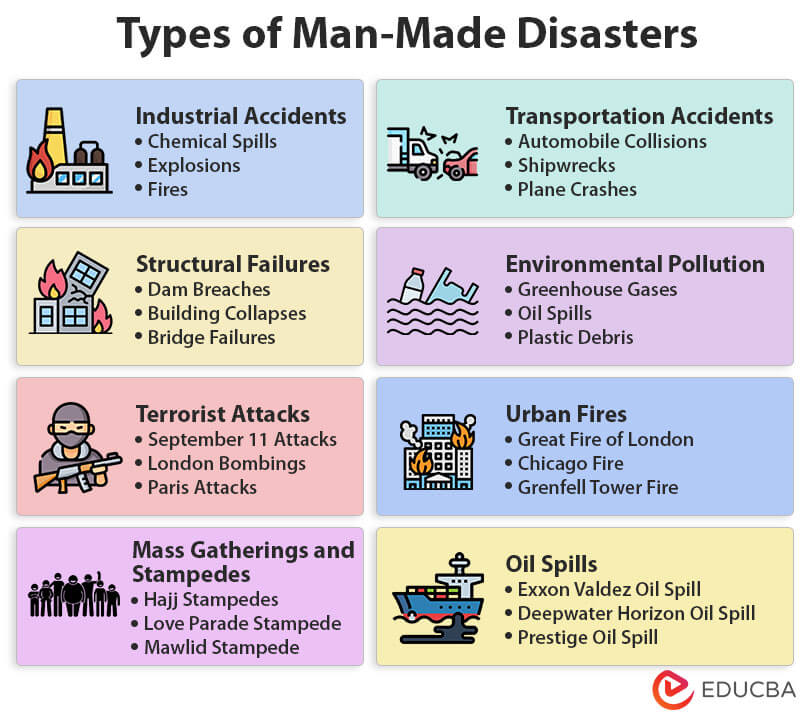
1. Industrial Accidents
Industrial accidents typically occur in manufacturing plants, chemical facilities, refineries, and other industrial settings. These accidents can result from equipment failures, human error, improper maintenance, or inadequate safety protocols.
Examples include:
- Chemical Spills: Chemical spills happen when industrial facilities release hazardous substances into the environment due to accidents, equipment failures, or human error. These spills can contaminate soil, water, and air, leading to adverse health effects and environmental damage.
- Nuclear Accidents: Nuclear accidents involve the release of radioactive materials from nuclear power plants or other facilities. Events such as meltdowns, leaks, or explosions can lead to radiation exposure, widespread contamination, and long-term health risks for nearby populations.
- Explosions: Industrial explosions, such as those in factories, chemical plants, or storage facilities, can cause extensive damage to property and infrastructure. They may also result in injuries or fatalities among workers and nearby residents.
2. Transportation Accidents
Transportation accidents involve the movement of people or goods by air, land, or sea. Factors contributing to transportation accidents may include human error, mechanical failures, adverse weather conditions, and inadequate infrastructure.
Examples include:
- Plane Crashes: Aviation accidents involving commercial or private aircraft can lead to loss of life, property damage, and disruptions to transportation systems. Causes may include mechanical failures, pilot error, or adverse weather conditions.
- Train Derailments: Train derailments can occur due to track defects, equipment malfunctions, or human error. These accidents can result in train collisions, hazardous-material spills, and damage to surrounding communities.
- Vehicle Collisions: Automobile accidents involving cars, trucks, and buses can cause injuries, fatalities, and traffic congestion. Factors such as speeding, distracted driving, and impaired driving contribute to the occurrence of these accidents.
3. Environmental Pollution
Environmental pollution is the introduction of harmful contaminants into the natural environment, causing adverse effects on ecosystems, human health, and overall quality of life. Human activities, including industrial processes, transportation, agriculture, and improper waste disposal, primarily drive this widespread issue.
Types of environmental pollution include:
- Air Pollution: Air pollution results from the release of harmful gases, particulate matter, and other pollutants into the atmosphere by sources such as vehicle emissions, industrial activities, and power plants. Prolonged exposure to air pollution can lead to respiratory diseases, cardiovascular problems, and environmental degradation.
- Water Pollution: Water pollution occurs when contaminants enter water bodies, such as rivers, lakes, and oceans, through industrial discharge, agricultural runoff, or improper waste disposal. Pollution can harm aquatic ecosystems, threaten public health, and limit access to clean drinking water.
- Soil Contamination: Soil contamination occurs when toxic substances, heavy metals, or other chemicals are deposited in the soil by industrial activities, improper waste disposal, or agricultural practices. Contaminated soil can impair plant growth, leach into groundwater, and pose risks to human health through food-chain contamination.
4. Terrorist Attacks
Terrorist attacks are deliberate acts of violence carried out by individuals, groups, or organizations with political, ideological, religious, or social motives to instill fear, intimidate, or coerce governments, societies, or specific populations. These attacks target civilians, infrastructure, and symbolic locations to achieve their objectives.
Example Include:
- Bombings: Terrorist bombings target public spaces, transportation systems, or critical infrastructure to instill fear, cause casualties, and disrupt societal functioning. In crowded areas, government buildings, or places of worship, individuals may detonate explosive devices.
- Cyber Attacks: Cyber attacks involve unauthorized access to, disruption of, or manipulation of computer systems, networks, or information systems for political, economic, or ideological motives. These attacks can lead to data breaches, financial losses, and disruptions to essential services.
- Biological Attacks: Biological attacks involve the deliberate release of pathogens, toxins, or other infectious agents to cause illness, death, or widespread panic. Biological weapons may target food supplies, water sources, or public spaces, posing significant public health threats.
5. Structural Failures
Ensuring the safety and resilience of infrastructure requires adherence to building codes and standards, regular inspections, routine maintenance, and investment in infrastructure upgrades and retrofits.
Examples Include:
- Building Collapses: Structural failures in buildings and infrastructure can result from poor construction practices, inadequate maintenance, or natural disasters such as earthquakes or floods. Collapses can result in significant loss of life, injuries, and property damage.
- Bridge Failures: Bridges may collapse due to design flaws, material deterioration, or overloading. Bridge failures can disrupt transportation networks, cause accidents, and impede economic activities in affected areas.
6. Urban Fires
Urban fires, often exacerbated by densely populated areas, can result from a range of causes, including electrical faults, arson, or industrial accidents. These disasters cause property damage and community displacement and pose challenges for firefighting efforts.
Example Include:
- High-rise Fires: Fires in high-rise buildings present unique challenges for firefighting and evacuation due to limited access, vertical spread, and potential for rapid fire growth. High-rise fires can lead to multiple casualties, property damage, and complications in rescue operations.
- Industrial Fires: Industrial facilities, such as warehouses, factories, and chemical plants, are susceptible to fires caused by equipment malfunctions, electrical faults, or chemical reactions. Industrial fires may release toxic smoke, hazardous fumes, and pollutants into the environment, posing risks to public health and safety.
7. Mass Gatherings and Stampedes
Mass gatherings and stampedes are a specific type of man-made disaster characterized by the convergence of large crowds in confined spaces, often leading to chaotic situations and loss of life.
Examples Include:
- Concerts and Events: Large gatherings, concerts, festivals, and sporting events can experience overcrowding, insufficient crowd control, or panic, leading to stampedes, trampling incidents, and injuries. Inadequate crowd management and emergency preparedness can exacerbate the impact of such incidents.
- Religious Festivals: Religious gatherings and pilgrimages, especially in densely populated areas, often face challenges due to crowd management, crowd dynamics, and infrastructure limitations; consequently, stampedes and overcrowding incidents can occur, leading to fatalities and injuries.
8. Oil Spills
Oil spills occur when industrial facilities release crude oil or refined petroleum products into the environment. Spills can happen during transportation by tanker ships, pipelines, or offshore drilling operations.
Examples Include:
- Marine Oil Spills: Oil spills from maritime accidents, offshore drilling operations, or tanker collisions can devastate marine ecosystems, coastal communities, and wildlife. Spilled oil can contaminate waterways, coat shorelines, and harm aquatic organisms, fisheries, and habitats.
- Pipeline Leaks: Pipeline ruptures, leaks, or breaches can release large volumes of oil and petroleum products into the environment, posing risks to soil, groundwater, and surface water quality. Pipeline spills may occur due to corrosion, equipment failure, or human error during transportation and distribution activities.
Causes of Man-Made Disasters
Man-made disasters can result from human mistakes, negligence, or deliberate actions. Key causes include:
- Human Error: Mistakes during operations or decision-making, often due to poor training, fatigue, or miscommunication.
- Negligence: Ignoring safety rules, cutting corners, or failing to maintain equipment and infrastructure.
- Violations of Safety Regulations: Not following safety guidelines, often prioritizing cost over safety.
- Lack of Preparedness: Poor planning, training, or emergency response leaves communities and organizations vulnerable.
- Intentional Acts: Sabotage, terrorism, or vandalism targeting people or critical infrastructure.
- Environmental Damage: Activities like deforestation, pollution, and resource extraction that increase disaster risks.
- Socioeconomic Factors: Inequalities and resource shortages make certain communities more vulnerable.
- Technological Risks: Failures in complex systems, such as nuclear plants, transportation systems, or IT infrastructure, can trigger disasters.
Impact of Man-Made Disasters
The impact of man-made disasters is profound and far-reaching, affecting various aspects of society, the environment, and the economy. Understanding these impacts is crucial for effective response, recovery, and mitigation efforts. Here are some key dimensions of the effects of man-made disasters:
- Loss of Life and Injury: Man-made disasters often result in significant loss of life, causing immense human suffering and trauma. Injuries ranging from minor to severe can lead to long-term physical disabilities and psychological distress among survivors. The loss of loved ones and community members can have enduring emotional and social repercussions.
- Environmental Degradation: Man-made disasters can cause widespread environmental pollution and degradation, threatening ecosystems, wildlife, and natural resources. Chemical spills, industrial accidents, and oil spills can contaminate water bodies, soil, and air, disrupting ecological balance and endangering biodiversity. Long-term environmental impacts may include soil erosion, habitat destruction, and contamination of food chains.
- Economic Consequences: Man-made disasters impose significant economic burdens on affected communities, industries, and governments. Direct costs include expenses related to emergency response, search and rescue operations, and infrastructure repair. Indirect costs include lost productivity, reduced consumer confidence, and damage to businesses and livelihoods.
- Social Disruption: Man-made disasters disrupt social cohesion and community resilience, undermining trust and cooperation among individuals and groups. Displacement of populations, loss of homes, and disruption of essential services can lead to social instability and vulnerability. Communities may experience social unrest, conflict, and tensions exacerbated by disparities in access to resources and support.
- Psychological Effects: Man-made disasters can profoundly impact survivors, responders, and affected communities. Post-traumatic stress disorder (PTSD), anxiety, depression, and other mental health issues may emerge in the aftermath of traumatic events. Emotional distress, grief, and feelings of helplessness and vulnerability can persist long after the disaster has occurred.
Case Studies of Notable Man Made Disasters
Case studies of notable man-made disasters offer valuable insights into their causes, consequences, and lessons learned. Here are several examples:
1. Chernobyl Nuclear Disaster (1986)
The Chernobyl disaster remains one of the most catastrophic nuclear accidents in history. On April 26, 1986, during a safety test at the Chornobyl Nuclear Power Plant in Pripyat, Ukraine, a reactor exploded, releasing a massive amount of radioactive materials into the atmosphere.
- Cause: A flawed reactor design and operator error led to a catastrophic explosion and fire during a safety test.
- Consequences: The release of radioactive materials contaminated vast areas of land, forcing the evacuation of thousands of people and causing long-term health effects.
- Lessons Learned: Highlighted the importance of stringent safety protocols, transparent communication, and international cooperation in nuclear energy regulation.
2. Bhopal Gas Tragedy (1984)
The Bhopal Gas Tragedy, also known as the Union Carbide disaster, occurred on December 2-3, 1984, in Bhopal, Madhya Pradesh, India. It stands as one of the world’s deadliest industrial disasters, involving the release of toxic gas from the Union Carbide India Limited (UCIL) pesticide plant.
- Cause: A toxic gas leak from a pesticide plant owned by Union Carbide Corporation resulted from equipment malfunction, maintenance deficiencies, and safety violations.
- Consequences: Thousands of people died, and hundreds of thousands suffered from respiratory ailments, eye problems, and other health issues due to exposure to methyl isocyanate gas.
- Lessons Learned: Emphasized the need for corporate responsibility, regulatory oversight, and emergency preparedness in hazardous industries.
3. Deepwater Horizon Oil Spill (2010)
The Deepwater Horizon oil spill, or BP oil spill, was a major environmental disaster in the Gulf of Mexico. It began with the explosion and sinking of the Deepwater Horizon drilling rig on April 20, 2010, causing one of the largest marine oil spills in history.
- Cause: An explosion and subsequent oil spill occurred during drilling operations at the Deepwater Horizon offshore oil rig, leading to history’s most significant marine oil spill.
- Consequences: Massive environmental damage, including the loss of marine life, contamination of coastal ecosystems, and economic impacts on fishing and tourism industries.
- Lessons Learned: Highlighted the risks associated with offshore drilling, the importance of robust safety standards, and the need for adequate spill response measures and environmental monitoring.
4. 9/11 Terrorist Attacks (2001)
The September 11, 2001, terrorist attacks were a series of coordinated suicide hijackings carried out by the extremist group al-Qaeda against targets in the United States. It remains one of the deadliest terrorist attacks in history and a defining moment of the 21st century.
- Cause: Coordinated terrorist attacks by the extremist group al-Qaeda involving the hijacking of commercial airplanes and their subsequent crashes into the World Trade Center towers, the Pentagon, and a field in Pennsylvania.
- Consequences: Nearly 3,000 people died, and thousands more were injured. The attacks prompted significant changes in security policies, counterterrorism efforts, and international relations.
- Lessons Learned: Demonstrated the vulnerability of modern societies to asymmetric threats and underscored the importance of intelligence-sharing, border security, and resilience planning.
5. Fukushima Daiichi Nuclear Disaster (2011)
The Fukushima Daiichi nuclear disaster occurred on March 11, 2011, following a powerful undersea earthquake off the northeastern coast of Japan. The earthquake triggered a massive tsunami that inundated the Fukushima Daiichi Nuclear Power Plant, leading to a complex nuclear crisis.
- Cause: A massive earthquake and tsunami triggered meltdowns and releases of radioactive material at the Fukushima Daiichi Nuclear Power Plant, resulting from design flaws, inadequate safety measures, and regulatory failures.
- Consequences: Forced evacuations, land and water contamination, and long-term health concerns for residents exposed to radiation.
- Lessons Learned: Highlighted the need for robust nuclear safety standards, emergency response capabilities, and risk assessments in disaster-prone regions.
Prevention and Mitigation Strategies
Prevention and mitigation strategies are crucial to reduce the occurrence and impact of man-made disasters. They involve proactive steps to identify risks and take action before they turn into crises. Key strategies include:
- Risk Assessment and Management: Identify hazards, vulnerabilities, and exposures. Use risk management plans to focus on high-risk areas and to develop contingency plans for different types of disasters.
- Regulatory Compliance: Enforce safety, building, and environmental rules. Conduct inspections and hold accountable those who violate safety standards.
- Infrastructure Resilience: Build infrastructure that can withstand disasters and strengthen critical systems such as transport, utilities, and communication. Include climate adaptation measures in planning.
- Emergency Preparedness: Maintain and update emergency plans. Conduct drills, simulations, and establish communication systems for effective responses.
- Public Awareness and Education: Educate the public on risks, preventive measures, and emergency procedures. Promote community participation in preparedness activities.
- Technological Innovations: Use early warning systems, remote sensing, and predictive analytics. Invest in new technologies and collaborate with academia, industry, and governments.
- Community Engagement: Involve local communities in preparedness, response, and recovery. Build resilience through social networks and local initiatives.
Initiatives taken by Governments across the world
Governments worldwide have implemented various initiatives to address the challenges posed by man-made disasters and enhance resilience in their respective regions. These initiatives encompass legislative reforms, policy frameworks, capacity-building programs, and international collaborations. Here are some examples of initiatives taken by governments across the world:
1. Legislative Reforms and Policy Frameworks
- United States: The U.S. government has enacted legislation, such as the Robert T. Stafford Disaster Relief and Emergency Assistance Act, that establishes the federal framework for disaster response and recovery.
- Japan: Japan has implemented comprehensive disaster management laws and policies, such as the Basic Act on Disaster Management, to strengthen preparedness, improve response, and support recovery.
- European Union: The European Union has developed the Civil Protection Mechanism, which facilitates cooperation among member states in disaster response and provides financial assistance for emergency operations.
2. National Disaster Management Agencies
- India: The National Disaster Management Authority (NDMA) in India coordinates disaster preparedness, mitigation, and response efforts at the national level, focusing on building community resilience and capacity.
- Australia: The Australian Government’s Department of Home Affairs oversees emergency management and disaster response activities, working closely with state and territory governments through the Australian Disaster Resilience Framework.
3. Early Warning Systems and Technologies
- Indonesia: Indonesia has implemented the Indonesian Tsunami Early Warning System (InaTEWS) to detect and disseminate timely warnings of tsunamis and seismic events, helping to mitigate the impact of natural disasters.
- Mexico: The Mexican government operates the Sistema de Alerta Sísmica Mexicano (SASMEX), a seismic early warning system that alerts vulnerable populations during earthquakes.
4. Community-Based Disaster Risk Reduction Programs
- Philippines: The Philippines has established community programs for disaster safety, helping local people identify risks, develop emergency plans, and take steps to reduce damage.
- Bangladesh: Bangladesh has set up community flood warning systems and cyclone shelters, with support from the government and international partners, to better manage recurring natural disasters.
5. International Collaborations and Partnerships
- United Nations: The United Nations Office for Disaster Risk Reduction (UNDRR) works with governments and stakeholders worldwide to promote disaster risk reduction, resilience-building, and the implementation of the Sendai Framework for Disaster Risk Reduction.
- International Monetary Fund (IMF): The IMF helps countries by providing advice and training to improve their disaster preparedness, manage financial challenges more effectively, and prepare for emergencies.
6. Research and Innovation Initiatives
- Singapore: Singapore invests in research and innovation initiatives through organizations like the Centre for Climate Research Singapore (CCRS) to enhance understanding of climate change impacts and develop adaptive strategies for disaster resilience.
- South Korea: South Korea supports research and development projects in disaster management and technological innovation, fostering collaboration among government agencies, academia, and industry stakeholders.
Conclusion
Man-made disasters are serious problems for societies everywhere; therefore, we need to be prepared and take action to reduce their effects. Furthermore, events such as industrial accidents and environmental disasters highlight the need for strict regulations. They also emphasize the importance of effective safety plans and global cooperation. By focusing on safety, strength, and long-term care, governments and groups can work together to prevent and reduce man-made disasters. By using new ideas, involving communities, and sharing responsibility, we can create a safer and stronger world. This approach helps reduce human-made disasters and protect people and nature.

