


What is Unlearning?
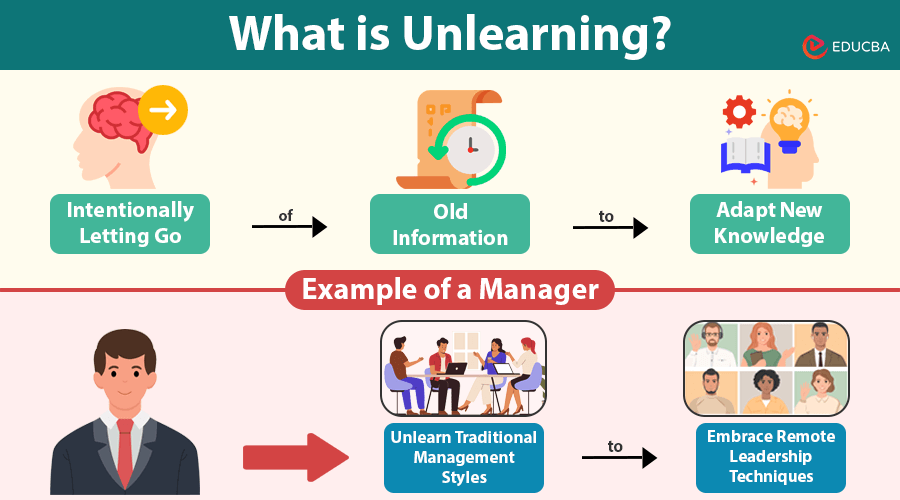
Unlearning refers to intentionally letting go of old information, beliefs, or assumptions to adapt to new information, experiences, or environments. It does not mean deleting memories but involves challenging previously held beliefs and being open to new possibilities. Think of your brain as a hard drive; you have to delete old files to make room for the latest updates.
The Science Behind Unlearning
When we learn, the brain forms neural pathways. The more we use specific thoughts or behaviors, the stronger these pathways become. It requires breaking old pathways and creating new ones.
- Neuroplasticity: The brain’s capacity to rewire by creating new neural connections.
- Cognitive flexibility: The capacity to adjust one’s thinking to new situations.
Why is Unlearning Important?
Here are some of the key reasons why unlearning is essential:
- Adaptability in a Changing World: The world is evolving rapidly due to technological advancements, science, and social dynamics. What worked yesterday may not work today. It allows us to remain adaptable and relevant.
- Breaking Free from Biases: Past experiences and cultural influences shape our beliefs and perceptions. It helps us challenge stereotypes, biases, and misconceptions, leading to more open-minded thinking.
- Enhancing Innovation and Creativity: New ideas often require breaking away from old thinking patterns. Many innovators and leaders succeed because they unlearn conventional methods and embrace new approaches.
- Improving Decision-Making: Unlearning helps us make better, well-informed decisions by preventing us from relying on outdated or incorrect information.
- Personal Growth and Emotional Well-Being: Many negative habits and thought patterns, such as self-doubt, procrastination, or unhealthy coping mechanisms, stem from outdated beliefs. This can promote improved mental well-being and personal growth.
The Process of Unlearning
Unlearning is not easy; it takes time, effort, and a conscious approach. Below are some strategies to unlearn effectively:
- Acknowledge the Need for Change: The first step in unlearning is to be aware of the areas in your life where outdated knowledge or ineffective habits exist. This requires introspection and self-reflection to identify what needs to change. Journaling or engaging in deep thinking sessions can help you assess your mindset and habits.
- Identify and Challenge Assumptions: Once you identify outdated beliefs or practices, challenge them. Ask yourself why you have held onto these ideas and whether they are relevant. Seek alternative perspectives and be open to questioning long-held assumptions. This process helps you break free from limiting thinking.
- Embrace a Growth Mindset: A growth mindset is the belief that effort and learning can improve abilities and intelligence. Cultivating this mindset encourages individuals to release outdated knowledge and adopt new perspectives.
- Replace Old Habits with New Ones: Unlearning involves actively replacing outdated habits with new, more effective ones. Instead of simply eliminating old practices, introduce new behaviors or thought processes that align better with current needs. For example, if you have used outdated software for years, start learning to use newer, more efficient tools.
- Surround Yourself with Fresh Ideas: Expose yourself to new ideas and diverse perspectives. Read books, attend workshops, engage with people from different fields, and use digital platforms to stay updated. Surrounding yourself with fresh, diverse knowledge helps stimulate the process and promotes cognitive flexibility.
- Be Patient and Persistent: Unlearning takes time, and progress may not always be linear. Be patient with yourself as you deconstruct old thinking and build new ones. Consistency and persistence will eventually yield results.
“The illiterate of the 21st century will not be those who cannot read and write but those who cannot learn, unlearn, and relearn.” ~ By Alvin Toffler
Examples of Unlearning in Different Areas of Life
Below are key areas where unlearning can make a significant impact:
- Education: Traditional education often focuses on memorization, but modern learning requires critical thinking and adaptability. Teachers who once relied solely on textbooks may need to unlearn this approach and integrate digital tools.
- Workplace: Businesses must embrace change to stay competitive. A company that once relied on in-person meetings may need to unlearn this preference and adapt to remote work.
- Personal Growth: Personal growth often involves shedding limiting beliefs and embracing a growth mindset. A person raised believing that “failure is bad” may need to unlearn this mindset to embrace failure as a learning opportunity.
- Technology and Innovation: Rapid advancements require constant unlearning. For example, a marketing professional must unlearn traditional advertising strategies to adapt to AI-driven digital marketing.
Challenges in Unlearning
Despite its benefits, unlearning is not easy. Some common challenges include:
- Resistance to Change: People stick to familiar routines, even when better options exist. This is known as status quo bias.
- Comfort Zones: Unlearning often involves leaving a comfort zone, which can be stressful or intimidating.
- Social and Cultural Conditioning: Society and culture reinforce certain norms and values, making it hard to unlearn outdated views.
- Information Overload: With the rapid spread of information, distinguishing what to unlearn and what to keep can be overwhelming.
Final Thoughts
Unlearning is a powerful tool for personal and professional growth. It helps individuals adapt to changing environments, overcome cognitive biases, and develop new skills and behaviors that align with current needs. While the process may be challenging, the benefits far outweigh the discomfort. By incorporating unlearning into our daily lives, we can foster innovation, adaptability, and lifelong learning. So, embrace the process and allow yourself to grow in ways you never imagined.
Recommended Articles
We hope this guide to unlearning helps you embrace growth by challenging outdated knowledge and adopting new perspectives. Check out these recommended articles for insights on continuous learning and personal development.

