


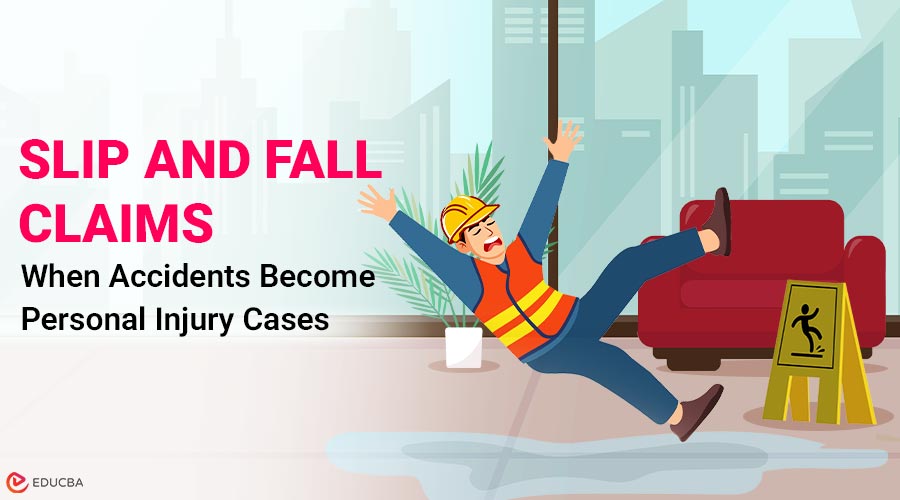
Slip and Fall Claims: Overview
Have you ever stumbled over uneven flooring at work or in a public space? If that caused pain in your knee, wrist, or back, you may have been in a slip-and-fall accident. These accidents are part of personal injury claims and can become more serious if injuries limit daily activities or prevent you from working. While slip and fall claims might be less familiar than other personal injury cases, anyone who experiences one should know their rights. In this article, we will explain how slip and fall accidents differ from other personal injury situations and what typically causes them.
Understanding Slip and Fall Claims
One category of personal injury claim is a slip and fall claim. Think of a personal injury claim as a legal case in which one person sustains injuries due to another party’s negligent actions. Personal injury claims are most commonly associated with defective products, motorcycle or truck accidents, workplace incidents, and slip-and-fall incidents. Slip and fall cases present a unique situation within personal injury claims because they often happen outside the victim’s home. They may occur at a business professional’s workplace, hospital, or public space. As such, premises liability laws hold property owners, like landlords or business leaders, accountable for contributing to the accident.
A landlord or manager may have failed to complete routine maintenance, resulting in a broken handrail or an uneven floor. Poor lighting can also make hazards difficult to spot. In these situations, the owner did not keep their property safe. In locations like Tulsa, for example, where ice storms are common, property owners need to be diligent about treating slick walkways. If these conditions cause broken bones, head injuries, or long-term issues, a lawyer for slip and fall can help determine liability and guide the next steps.
Where Slip and Fall Accidents Happen?
While slip and fall accidents are not limited to certain locations, they are more common in certain locations. A freshly mopped grocery store or cafe floor, for instance, can invite slip and fall situations. And that is especially true if there is not adequate signage warning of wet floors. Apartment complexes, hotels, and office buildings with high-traffic common areas can be magnets for accidents. Perhaps a bunched rug or broken set of stairs can cause a fall.
Public sidewalks that endure heavy use can develop cracks or accumulate debris, posing problems for people walking to work or school. Ultimately, the individuals overseeing these spaces must take responsibility for maintaining them. Failure to address safety concerns or provide reasonable notification about risks can lead to problems later.
What Leads to Slip and Fall Claims?
Slip and fall incidents do not always transition into personal injury claims. Generally, they need to meet some criteria first. Perhaps an apartment complex property owner was aware of a problem, such as uneven pavement, but did not intervene to warn residents. In other cases, a chemical spill or a fractured surface may have caused an accident. If someone is lawfully on that property and sustains an injury, the situation can become a trip-and-fall claim.
But it is not always so clear where to assign blame, as some property owners may allege that an injured person should have been more observant. If a property owner successfully makes this claim, that can diminish the amount of money the victim receives. Photographic evidence, surveillance videos, and witness reports can help shape the outcome of the slip and fall claims. When teams remove a spill immediately, photographs can capture how it originally appeared. Likewise, maintenance records can help show diligence or lack thereof on the part of property owners.
Dealing with Slip and Fall Injuries
Some slip and fall injuries can be debilitating and require missing work. Neck, back, and shoulder injuries can result in distracting pain that needs ongoing rehabilitation. And broken limbs can require surgery. For individuals in roles that require constant movement, even seemingly minor injuries, such as sprained ankles, can force some people to miss work. It may seem impossible to bear weight on an injured foot or ankle. Older individuals may face longer roads to recovery, as well.
When injuries lead to missed workdays and rising medical costs, compensation matters, if an accident meets the requirements for a personal injury claim, affected individuals can seek payments to help cover lost income, medical appointments, and long-term needs.
Navigating Slip and Fall Accidents
Slip and fall incidents can be traumatic experiences, and they can keep you from tackling your daily responsibilities. Improperly maintained workplaces, hotels, apartments, and sidewalks can become treacherous. A slip-and-fall claim may arise when a property owner does not properly maintain their building or shared areas.
Knowing what causes slip and fall claims and how they connect to personal injury law is critical for everyone. If someone else’s carelessness causes you to be hurt, you will understand how to take action and pursue the legal and financial support you deserve.
Final Thoughts
Slip and fall claims play an important role in personal injury law, holding property owners accountable for unsafe conditions. When negligence leads to injuries, understanding your rights and the claims process can help you seek fair compensation. Being informed ensures you are prepared to take timely legal and financial action if a slip and fall accident disrupts your life.
Recommended Articles
We hope this guide on slip and fall claims helps you better understand your rights and legal options. Explore these recommended articles for additional insights and practical guidance on personal injury claims.

