


Updated August 1, 2026
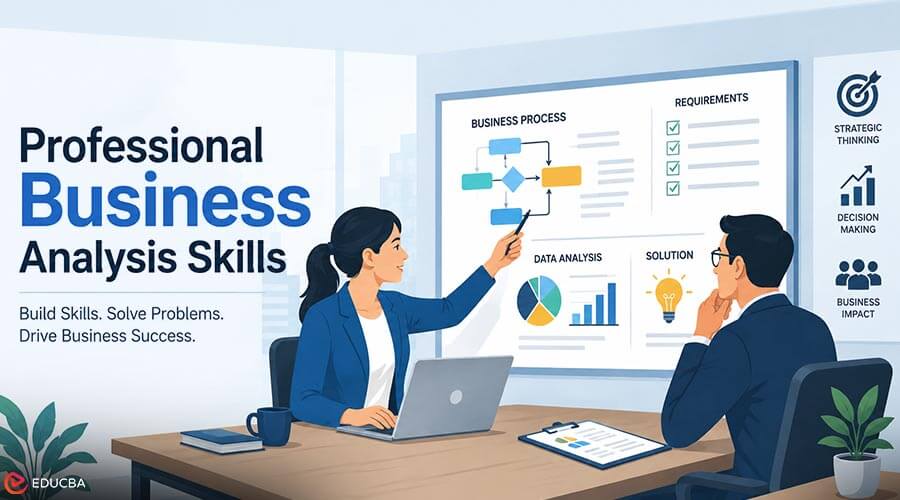
Business analysis has proven integral to modern organizations, helping connect the dots between business goals and solutions. Those in this field analyze processes to identify opportunities for improvement and provide decision support through structured analysis. Developing professional business analysis skills is essential for individuals seeking to build analytical thinking, technical expertise, and strong communication skills. A well-designed learning program helps learners build the skills and knowledge needed for long-term professional growth and future workplace demands.
Strong Learning Foundation
Each effective training program starts by presenting basic business concepts and then moves on to advanced analysis concepts. Learners gain an understanding of business processes, requirements analysis, documentation techniques, and problem-solving. A structured method that encourages students to develop confidence while laying solid academic foundations. This knowledge assists students in comprehending fundamental concepts and making meaningful business contributions to issues.
Business Problem Solving
Business analysts are vital contributors to solving operational problems and providing realistic solutions that improve operations and are consistent with the organization’s goals. Structured analysis provides a systematic way for professionals to analyze workflows, identify inefficiencies, and design solutions to enhance productivity and resource utilization. Frequent interactions with business scenarios reinforce decision-making skills and the logic and evidence required to make decisions. Problem-solving is a highly useful skill in many fields where innovation and long-term planning are key to sustainable growth.
Comprehensive Curriculum
A quality curriculum that includes both theory and application. Typical learning areas within a business include business process analysis, stakeholder communication, project documentation, workflow enhancement, data interpretation, and solution evaluation. The levels of each topic are introduced progressively to build technical competence without overwhelming the learner. A well-rounded study program to facilitate solid business concepts and analysis in decision-making.
Practical Learning Experience
It is important to utilize hands-on projects in business analysis education. Learners apply these tasks in scenarios relating to business needs, process maps, solution plans, and performance analysis of the solution. PBL will bolster the development of critical thinking skills and provide greater confidence in applying theory correctly in real business situations. However, real-world experience also boosts flexibility and readiness to meet workplace challenges.
Essential Professional Skills
Business analysts require more than technical expertise to succeed. Clear communication, effective presentation, teamwork, decision-making through negotiation, and problem-solving are also critical to communicating with stakeholders and advancing the organization’s goals. Courses that reflect these skills promote a workplace environment of self-confidence among learners and enhance an individual’s capacity to articulate evidence and propose viable business improvements.
Career Preparation
Professional Readiness is a super useful requirement while checking out the top business analyst course. These programs encompass resume writing, portfolios, case study interviews, interview mock-ups, practice, and more. All activities are centered on career practice and confidence-building, enabling learners to showcase analytical skills in this context for recruitment. Comprehensive preparation equips learners for a more seamless entry into professional business analysis careers.
Flexible Learning Options
Classes are taught in person, online, on weekends, and in a combination of the three (mixed online and in person). Flipped learning options are available to students, career changers, and working learners to support learning while accommodating other commitments. Steady progress is made through frequent study and assessment, and knowledge grows over time.
Long-Term Career Growth
As an account analyst, you will find the same skills are still sought after across other industries, such as finance, health care, manufacturing, retail, education, logistics, among others. Organizations still seek people to improve efficiency, solve problems, and help plan future activities. Make sure there is continuous professional development (or regular progression) so that they increase their capacity for adaptation and that their career moves evolve into a new analytical or management pathway.
Choosing the Right Program to Build Professional Business Analysis Skills
A key factor in choosing the best business analyst course is the quality of the curriculum, the skills and knowledge it provides, practical work experience, faculty expertise, learning flexibility, the assessment approach, and career-oriented support. A well-planned and well-formulated program should combine theory and practice to prepare students for employment. Thoroughly comparing options helps learners select an educational pathway that meets their goals and plans for work or further education.
Final Thoughts
Developing professional business analysis skills equips students with the knowledge, experience, and confidence to thrive in today’s demanding business landscape. A well-designed training program enhances analytical thinking, communication, and problem-solving capabilities through systematic instruction and practice. Selecting the right course will provide a solid foundation for ongoing development and advancement and pay dividends in organizational success across a variety of industries.
Recommended Articles
We hope this guide helps you develop professional business analysis skills. Check out these recommended articles for more insights to support your business analysis career and professional growth.


