


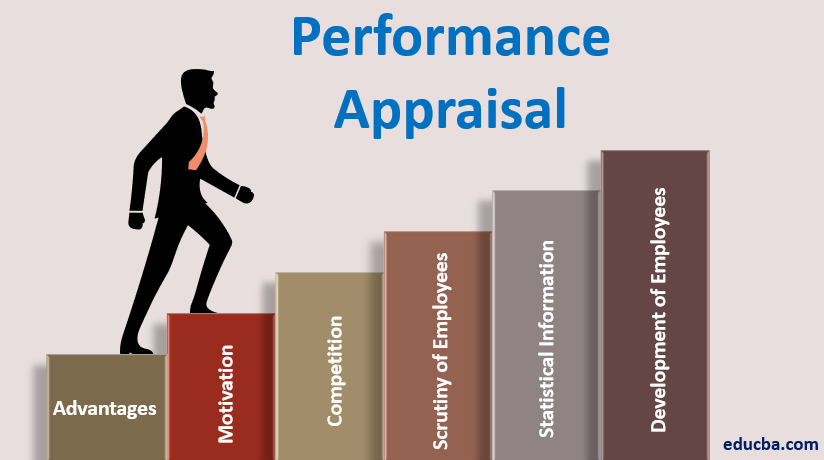
Performance appraisal is a structured process organizations use to evaluate an employee’s work performance, achievements, skills, and progress. It helps managers understand how effectively employees are meeting their responsibilities while identifying areas for improvement and development.
A performance appraisal may consider factors such as work quality, productivity, communication, teamwork, job-related skills, and progress toward goals. Depending on the organization, appraisal results can also support decisions related to promotions, salary increases, bonuses, training, and future responsibilities.
Performance appraisal is not simply about judging an employee. A well-designed appraisal process allows managers and employees to discuss expectations, recognize accomplishments, address performance gaps, and set meaningful goals for the future.
This article explains the objectives and methods of performance appraisal along with its advantages and disadvantages.
Table of Contents
- Meaning
- Importance
- Objectives
- How Does It Work?
- Methods
- Advantages
- Disadvantages
- Traditional vs. Modern Performance Appraisal
- How to Make This Effective?
Key Takeaways
- Performance appraisal is a structured evaluation of an employee’s performance over a defined period.
- It helps organizations provide feedback, recognize achievements, and identify development needs.
- Clear goals and relevant evaluation criteria make the appraisal process more effective.
- Traditional methods often rely on standardized ratings, while modern approaches may include continuous feedback and multiple evaluation sources.
- Performance appraisal can support promotions, compensation, training, and career planning.
- Bias and unclear evaluation criteria can reduce an appraisal’s fairness and usefulness.
- A successful appraisal should encourage development rather than focus only on employee ratings.
What Is Performance Appraisal?
Performance appraisal is a structured assessment of an employee’s work and achievements during a defined period. It allows an organization to compare an employee’s actual work with established expectations, responsibilities, and goals.
Organizations can conduct the process annually, twice a year, quarterly, or continuously, depending on their approach. During an appraisal, managers may review an employee’s achievements, work quality, productivity, attendance, collaboration, communication, and ability to meet targets.
Performance appraisal is also an important part of employee development. Feedback from the process can help employees understand what they are doing well and where they need to improve.
For example, consider an employee who consistently completes projects before deadlines but needs to improve communication with other team members. A performance appraisal can recognize the employee’s efficiency while also identifying communication as an area for development.
Therefore, performance appraisal should be viewed as more than a system for deciding whether an employee deserves a raise. When managed effectively, it connects employee performance with organizational goals.
Why Is Performance Appraisal Important?
Organizations use performance appraisal to understand how employees are contributing to business objectives. It also gives employees a clearer understanding of what their organization expects from them.
A useful appraisal process can help organizations:
- Recognize employees who consistently perform well.
- Identify skills that employees need to develop.
- Provide structured and constructive feedback.
- Align individual goals with organizational objectives.
- Identify employees who may be ready for greater responsibilities.
- Support decisions about promotions, compensation, and training.
- Improve communication between managers and employees.
- Address performance problems before they become larger issues.
The process’s effectiveness depends heavily on how fairly and consistently employees are evaluated. Clear expectations, measurable goals, relevant criteria, and regular feedback can make performance appraisal more meaningful.
Objectives of Performance Appraisal
The objectives of performance appraisal go beyond measuring an employee’s current performance. The process can support both organizational planning and individual development.
1. Improve Employee Performance
One primary objective is to help employees understand how to improve their work. Managers can use appraisal discussions to provide specific feedback instead of relying on general comments.
For example, rather than simply telling an employee to “improve productivity,” a manager can identify delays in particular tasks and suggest ways to manage them more effectively.
2. Recognize Strong Performance
Performance appraisal is a structured assessment of an employee’s work and achievements during a defined period. Recognition can improve morale and encourage employees to maintain a high standard of work.
Depending on company policies, strong performance may also contribute to promotions, bonuses, salary revisions, or additional responsibilities.
3. Identify Employee Development Needs
Employees may have gaps in technical knowledge, communication, leadership, or other job-related skills. Appraisal discussions can help managers identify these areas and recommend suitable training or development opportunities.
Performance appraisals can also help identify work-related strengths employees can use to take on more challenging responsibilities.
4. Align Individual and Organizational Goals
Employees may perform their daily responsibilities without always understanding how their work contributes to broader business objectives.
A performance appraisal provides an opportunity to connect individual goals with departmental and organizational priorities. This alignment can help employees focus their efforts on work that has greater business value.
5. Support Career Planning
Appraisal discussions can help managers understand an employee’s career interests, capabilities, and readiness for additional responsibilities.
For employees, this can provide a clearer path toward professional development and future career opportunities within the organization.
6. Improve Manager-Employee Communication
Regular performance discussions encourage managers and employees to discuss expectations, challenges, achievements, and development needs.
This communication can prevent misunderstandings and clarify what both sides expect from the working relationship.
How Does Performance Appraisal Work?
Although appraisal processes differ between organizations, a typical performance appraisal follows several stages.
Setting Performance Expectations
The process generally begins by defining responsibilities, targets, and performance expectations. These expectations should be realistic and relevant to the employee’s role.
Monitoring Performance
Managers then review performance throughout the appraisal period. Depending on the role, they may consider project results, productivity, customer feedback, work quality, teamwork, or achievement of specific goals.
Providing Feedback
Employees receive feedback about their performance. Effective feedback should explain both strengths and areas that require improvement.
Conducting the Appraisal Discussion
The manager and employee may meet to discuss the evaluation. This conversation allows the employee to ask questions, provide context, and discuss future goals.
Setting Future Goals
The final stage often involves establishing goals for the next review period. These goals can include improving specific skills, completing projects, increasing productivity, or preparing for a future role.
This approach makes performance appraisal an ongoing development process rather than a single annual event.
Methods of Performance Appraisal
Organizations use different methods to evaluate employee performance. The appropriate method depends on the organization’s size, type of work, management structure, and appraisal objectives.

1. Traditional Methods
Traditional performance appraisal methods generally rely on established evaluation techniques such as rating scales, checklists, ranking systems, and manager assessments.
A rating scale, for example, may allow a manager to evaluate an employee on factors such as work quality, punctuality, communication, productivity, and teamwork.
These approaches are simple to implement and help organizations assess a large workforce using consistent evaluation criteria.
However, traditional methods can become subjective if managers do not use clear criteria. Personal preferences or inconsistent standards may influence the final assessment.
2. Modern Methods
Modern performance appraisal methods place greater emphasis on measurable objectives, employee development, behavior, and broader feedback sources.
Some approaches include:
- Management by Objectives (MBO)
- Psychological assessments
- Assessment centers
- 360-degree feedback
- Self-assessments
- Competency-based evaluations
- Continuous performance reviews
For example, 360-degree feedback can collect perspectives from managers, colleagues, team members, and sometimes customers. This gives the employee a broader view of their performance, rather than relying entirely on one manager’s opinion.
Modern approaches can be particularly useful for organizations that want to combine performance measurement with employee development.
Advantages of Performance Appraisal
A well-designed performance appraisal process can benefit employees, managers, and the organization.
1. Employee Development
Performance appraisal helps employees recognize their key strengths while identifying skills or areas that need further development.
Instead of waiting until a problem becomes serious, managers can use appraisal discussions to provide guidance and recommend training or mentoring.
This makes the process useful for both current performance and long-term professional development.
2. Motivation and Recognition
Employees are more likely to feel valued when their contributions are recognized appropriately.
A performance appraisal can highlight accomplishments and help managers acknowledge employees who deliver strong results.
Employee recognition does not necessarily need to come in the form of monetary incentives. Constructive feedback, career opportunities, additional responsibilities, and professional development can also motivate employees.
3. Better Goal Setting
Performance appraisal provides an opportunity to review previous goals and establish new ones.
For example, an employee who completed a particular project may receive a more challenging target during the next review period.
This creates a continuous cycle of planning, performance, feedback, and improvement.
4. Identification of Employee Strengths
Organizations need to understand where their employees perform best.
Performance evaluations can reveal employees with strong leadership, analytical, communication, technical, or problem-solving skills. Managers can then use this information to assign projects or prepare employees for future responsibilities.
5. Support for Promotion and Compensation Decisions
Performance appraisal can provide documented information that supports decisions about promotions, salary increases, bonuses, and additional responsibilities.
However, organizations should avoid relying on a single appraisal score for major decisions. Organizations may also need to consider performance history, role requirements, skills, and other relevant factors.
6. Improved Communication
Regular appraisal discussions encourage employees and managers to communicate about expectations and performance.
Employees can raise concerns, explain challenges, and request support. Managers can clarify priorities and provide direction.
This can create a more transparent working relationship.
7. Useful Management Information
Performance data can help organizations identify broader patterns.
For example, if several employees struggle with the same skill, the organization may decide to introduce additional training. Similarly, consistently strong performance in a particular area may indicate an opportunity to use those employees as mentors or project leads.
Disadvantages of Performance Appraisal
Despite its benefits, performance appraisal can create problems when the process is poorly designed or inconsistently implemented.
1. Managerial Bias
One of the biggest concerns is personal bias. A manager may unintentionally rate an employee more favorably because of personal preferences, familiarity, or recent interactions.
Bias can reduce trust in the appraisal system and make employees feel that their performance is not being evaluated fairly.
Organizations can reduce this risk by using clear evaluation criteria, documented examples, multiple sources of feedback, and manager training.
2. Subjective Evaluation
Some elements of an employee’s performance are hard to evaluate objectively.
For example, creativity, teamwork, leadership, and communication may not always be captured accurately through a simple numerical rating.
If evaluation criteria are vague, different managers may interpret them differently. This can lead to inconsistent results across teams.
3. Poor Communication Can Affect Results
An employee may receive a lower evaluation because expectations were unclear or managers did not provide feedback during the review period.
If managers communicate only during the formal appraisal, employees may have little opportunity to correct problems beforehand.
Regular feedback can make the final appraisal more accurate and less surprising.
4. Inappropriate Performance Criteria
The criteria used to evaluate employees should reflect their actual responsibilities.
For example, measuring a customer-service employee primarily through the number of tasks completed may overlook important factors such as customer satisfaction, problem-solving, and communication quality.
Poorly chosen metrics can encourage employees to focus on numbers rather than meaningful results.
5. Time and Administrative Requirements
A detailed appraisal process can require considerable time from managers and employees.
Managers may need to collect performance information, complete evaluation forms, prepare feedback, conduct meetings, and document development plans.
If the process becomes overly complicated, employees and managers may view it as an administrative burden rather than a useful development activity.
6. Overemphasis on Ratings
Some organizations focus heavily on scores or rankings.
When employees believe one rating will determine their career prospects, the appraisal discussion can shift to defending a score rather than discussing performance and development.
A better approach is to use ratings as one part of a broader conversation.
7. Limited Rewards Can Reduce Motivation
Employees may become frustrated when strong performance is recognized, but there are no meaningful opportunities for growth or rewards.
If the organization cannot provide a salary increase or bonus, managers can still discuss development opportunities, career progression, recognition, training, or greater responsibilities.
The key is to ensure employees understand how their performance connects to future opportunities.
Traditional vs. Modern Performance Appraisal
Traditional and modern methods both have a place in performance management, but they approach evaluation differently. In traditional approaches, managers typically lead the evaluation process and rely on standardized rating systems. They can be easier to administer and compare across employees.
Modern methods tend to emphasize continuous feedback, measurable objectives, employee development, and input from multiple sources.
Neither approach is automatically suitable for every organization. A company should choose an appraisal method based on its workforce, organizational goals, job roles, and available resources.
For example, a small company may use regular manager-employee discussions with clearly defined goals, while a larger organization may combine rating scales with 360-degree feedback and competency assessments.
How to Make Performance Appraisal More Effective
The effectiveness of a performance appraisal largely depends on how well the organization plans and carries out the evaluation process.
Here are some practices that can improve the process:
Use Clear Criteria
Employees need clear information about the criteria used to assess their performance. Criteria should be specific, measurable where possible, and relevant to their role.
Give Feedback Regularly
Annual feedback alone may not be enough. Regular conversations allow employees to address challenges before they affect their overall evaluation.
Focus on Evidence
Managers should support evaluations with specific examples of achievements, challenges, and outcomes rather than relying on general impressions.
Encourage Employee Participation
Employees should have an opportunity to discuss their achievements, challenges, career goals, and development needs.
Separate Development From Punishment
Appraisals should help employees improve. A review should not become an unexpected disciplinary conversation.
Review the Process
Organizations should periodically assess whether their appraisal system is producing fair and useful results. Employee feedback can help identify process problems.
Frequently Asked Questions (FAQ’s)
Q1. How often should performance appraisals be conducted?
Answer: The frequency depends on the organization and the employee’s role. Many companies conduct formal reviews annually or twice a year, while others use quarterly or continuous performance discussions. More frequent feedback helps employees address challenges before they affect overall performance.
Q2. Who is responsible for conducting a performance appraisal?
Answer: A direct manager or supervisor usually conducts the appraisal because they work closely with the employee and understand their responsibilities. However, some organizations also involve HR professionals, senior managers, peers, team members, customers, or the employee through self-assessment.
Q3. What should employees prepare for a performance appraisal?
Answer: Employees can prepare by reviewing their goals, completed projects, major achievements, challenges, feedback received, and areas where they want to improve. They can also prepare questions about career development, future responsibilities, training, and expectations for the next review period.
Q4. How does performance appraisal differ from performance management?
Answer: Performance appraisal is generally a formal evaluation of an employee’s performance during a specific period. Performance management is a broader, ongoing process that includes goal setting, regular feedback, coaching, development, performance tracking, and appraisal. Therefore, performance appraisal is one component of performance management.
Q5. What happens after a performance appraisal?
Answer: After an appraisal, the manager and employee may agree on new goals, development activities, training requirements, or changes in responsibilities. The organization may also use the evaluation as one factor in decisions about promotions, compensation, succession planning, or future career opportunities.
Final Thoughts
Performance appraisal is an effective way to assess employee contributions while encouraging professional development. Its effectiveness, however, depends on how the organization designs and manages the process. Clear expectations, relevant criteria, regular feedback, and fair evaluation can make appraisals more useful for both employees and managers.
An effective appraisal should not be treated simply as a process for assigning a score or deciding whether someone deserves a reward. It should create a meaningful conversation about achievements, challenges, skills, career goals, and future expectations. When organizations use performance appraisal in this way, it can support employee development while also helping the company achieve its broader objectives.
Recommended Articles
We hope this guide helps you understand Performance Appraisal and how it can support employee development, performance improvement, and better workplace decisions. Explore our recommended articles for more insights on employee performance, leadership development, workplace management, career growth, and building effective teams.