


What Is a Marketing Campaign?
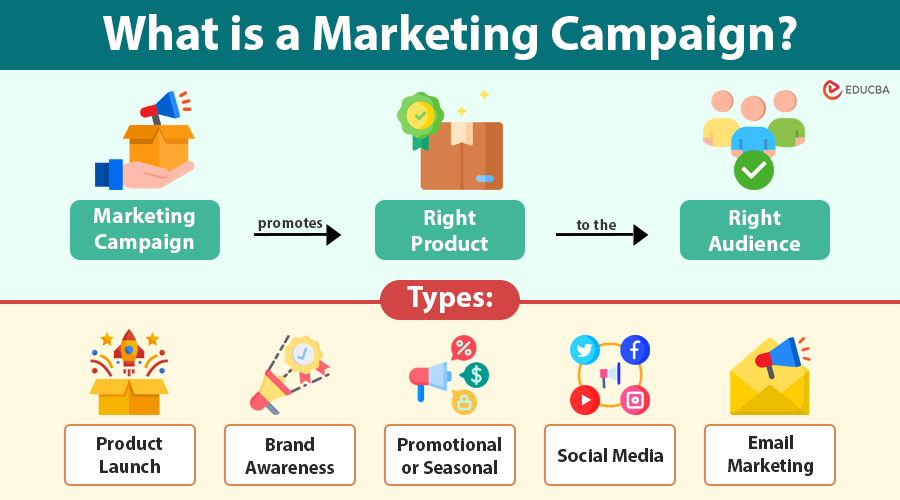
A marketing campaign is a planned initiative aimed at promoting a brand, service, or product to the right audience. It blends creativity, targeted communication channels, and measurable goals to generate awareness, encourage interaction, and drive business growth.
For instance, Snickers’ famous “You’re Not You When You’re Hungry” marketing campaign humorously showed people acting out of character until they ate a Snickers bar. This simple yet powerful idea reinforced the brand’s message, connected emotionally with consumers, and significantly boosted global sales.
Table of Contents
Key Takeaways
- Marketing campaigns are planned initiatives that promote products or services through creativity, strategy, and measurable goals.
- Different types of campaigns include product launches, brand awareness, promotional campaigns, social media, and email address-specific business objectives.
- Clear objectives, defined audiences, compelling messaging, and budget planning are the foundation of a successful campaign.
- A step-by-step approach, from goal setting to post-campaign analysis, ensures alignment and effectiveness.
- Measuring success with metrics like traffic, conversions, engagement, sales, and ROI helps refine future strategies.
- Well-executed campaigns boost sales, strengthen brand reputation, build customer relationships, and support long-term business growth.
Types of Marketing Campaigns
Marketers design campaigns based on their specific goals. The most common types include:
1. Product Launch Campaign
Brands introduce new products or services through launch campaigns. They build excitement using teasers, product demos, influencer collaborations, and media coverage to attract attention and encourage adoption.
2. Brand Awareness Campaign
Organizations run awareness campaigns to expand their reach and strengthen recognition. They use advertising, PR activities, live events, and social media initiatives to make the brand more visible to target audiences.
3. Promotional or Seasonal Campaign
Retailers and e-commerce businesses drive short-term sales during festivals, holidays, or clearance periods. They encourage quick purchases with discounts, special bundles, flash sales, and time-limited offers.
4. Social Media Campaign
Businesses connect with their audience through engaging social content. They post reels, videos, contests, and live sessions while partnering with influencers across platforms such as Instagram, LinkedIn, Facebook, and TikTok to maximize reach.
5. Email Marketing Campaign
Marketers send personalized emails to segmented customer lists. They share tailored messages, product updates, and exclusive offers while including strong calls-to-action to generate engagement and boost conversions.
Essential Components of a Marketing Campaign
A successful campaign relies on thorough planning and execution. Key components include:
- Clear Objectives – Establish measurable goals, such as increasing leads, boosting sales, or raising website traffic.
- Defined Audience – Analyze demographics, interests, and behaviors to deliver messages that resonate effectively.
- Compelling Messaging – Develop a value-driven message that clearly communicates benefits and appeals to customer needs.
- Channel Selection – Choose the most effective digital, offline, or hybrid platforms to reach the target audience.
- Budget Planning – Allocate resources strategically across advertising, creative production, and performance tracking.
- Creative Assets – Produce high-quality visuals, copy, and videos that capture attention and align with the campaign’s tone.
Steps to Plan and Execute a Campaign
To achieve measurable results, marketers follow a structured, step-by-step process that ensures every aspect of the campaign aligns with objectives and audience needs.
Step 1: Set Goals
Define clear, measurable objectives for your campaign. Specify what you want to achieve, whether it is increasing leads, driving sales, boosting website traffic, or growing brand awareness. Use SMART goals (Specific, Measurable, Achievable, Relevant, Time-bound) to ensure clarity and focus.
Step 2: Research the Market
Perform thorough market research to grasp the dynamics of your industry. Evaluate competitors’ approaches, review emerging trends, and analyze customer behaviors and preferences. Pinpoint unmet needs and whitespace opportunities to position your campaign for the greatest impact.
Step 3: Build a Strategy
Develop a campaign strategy that effectively supports your goals. Decide on your core message, select the most effective channels, and create a timeline. Plan how each component, such as social media posts, emails, and events, works together to guide your audience toward the desired action.
Step 4: Develop Creative Content
Develop compelling, audience-focused content for each chosen channel. Design visuals, write copy, produce videos, and create infographics or interactive elements that effectively convey your message. Maintain a consistent tone, branding, and style across all platforms to ensure a unified campaign experience.
Step 5: Allocate Budget and Resources
Determine how much to spend on each element of the campaign, including advertising, creative production, software tools, and staffing. Ensure your budget supports both short-term objectives and long-term ROI. Assign responsibilities clearly to team members to maintain accountability.
Step 6: Launch the Campaign
Execute the campaign according to your plan. Coordinate all channels to ensure consistent messaging and timing. Announce the campaign across platforms and monitor for immediate issues, such as broken links, technical errors, or misaligned visuals.
Step 7: Track Progress and Analyze Metrics
Utilize analytics platforms to measure key performance indicators (KPIs) such as website visits, conversion rates, audience engagement, lead acquisition, and overall ROI. Continuously monitor these metrics in real time to identify trends, evaluate successes, and pinpoint areas that require improvement.
Step 8: Optimize and Refine
Evaluate the data collected during the campaign. Identify what worked well and what did not, and adjust strategies for ongoing or future campaigns. Test variations of messaging, visuals, and channels to continually improve results and maximize ROI.
Step 9: Document Learnings and Insights
Record key takeaways, lessons learned, and best practices from the campaign. Create a reference for future campaigns to streamline planning, avoid repeated mistakes, and leverage strategies that proved successful.
How to Measure a Marketing Campaign?
Measuring a marketing campaign’s performance allows marketers to understand its effectiveness, optimize strategies, and ensure a strong return on investment (ROI). Key ways to evaluate success include:
- Website Traffic: Track the overall number of visitors to your website, the specific pages they explore, and the duration of their visits. Higher traffic indicates that your campaign is successfully attracting and engaging your target audience.
- Conversion Rate: Track the percentage of visitors who complete a desired action, such as making a purchase, signing up for a newsletter, or downloading content. This metric reflects how effectively your campaign encourages the audience to take action.
- Lead Generation: Count the number of qualified leads generated by the campaign. This metric helps assess whether your messaging and targeting reach the right audience.
- Engagement Metrics: Monitor likes, shares, comments, email open rates, and click-through rates. High engagement demonstrates audience interaction and campaign relevance.
- Sales Growth: Compare revenue before, during, and after the campaign to understand its direct impact on business performance.
- Customer Acquisition Cost (CAC): Calculate the cost of acquiring each new customer by dividing campaign expenses by the number of new customers. This helps evaluate efficiency and budget allocation.
- Return on Investment (ROI): Assess total revenue generated against total campaign spending to measure overall effectiveness and profitability.
- Insights for Improvement: By analyzing these metrics consistently, marketers can identify strengths, uncover weaknesses, and find opportunities to refine strategies for future campaigns.
Benefits of Running Marketing Campaigns
Running a well-planned marketing campaign provides measurable advantages that help businesses grow, engage audiences, and build a lasting market presence.
1. Boosts Sales and Conversions
Campaigns drive customer action by promoting products or services through targeted messaging and persuasive offers. They not only increase immediate sales but also encourage repeat purchases, improving long-term revenue.
2. Strengthens Brand Reputation
Consistent and high-quality campaigns build credibility and trust with your audience. By highlighting brand values, sharing success stories, and maintaining a professional image, campaigns enhance public perception and brand loyalty.
3. Attracts and Nurtures Leads
Campaigns help businesses reach potential customers efficiently. By providing informative content, personalized offers, and timely follow-ups, campaigns guide prospects through the sales funnel, turning interest into qualified leads.
4. Builds Lasting Customer Relationships
Delivering value through relevant messages, exclusive offers, or engaging content helps maintain ongoing connections with customers. These campaigns foster loyalty, encourage repeat business, and create brand advocates.
5. Supports Business Growth
Marketing campaigns drive both short-term and long-term growth. They expand market reach, generate revenue, enhance visibility, and create opportunities for new partnerships or market segments.
6. Provides Measurable Insights
Well-tracked campaigns produce data on customer behavior, engagement, and preferences. These insights help businesses refine strategies, improve future campaigns, and make informed marketing decisions.
Examples of Successful Marketing Campaigns
Studying successful campaigns helps businesses understand effective strategies and innovative approaches that drive results.
1. Red Bull’s “Stratos” Campaign
Red Bull sponsored Felix Baumgartner’s space jump, creating massive global visibility and positioning the brand as adventurous, innovative, and bold.
2. Coca-Cola’s “Share a Coke”
Coca-Cola personalized bottles with individual names, encouraging customers to purchase, share, and engage with the brand on social media, resulting in increased sales and engagement.
3. Apple’s Launch Events
Apple generated global anticipation and excitement through sleek storytelling, innovative presentations, and strategic media coverage for each new product launch.
Final Thoughts
A marketing campaign is more than just a set of advertisements; it is a well-structured initiative designed to deliver a clear message, engage the right audience, and achieve measurable results. From defining objectives and selecting the right channels to tracking performance and refining strategies, successful campaigns require careful planning, creativity, and consistent optimization.
Frequently Asked Questions (FAQ’s)
Q1. What is the difference between a marketing campaign and an advertising campaign?
Answer: A marketing campaign is broader, encompassing strategy, research, and multiple channels (email, social media, PR, events), whereas an advertising campaign typically focuses on paid promotions and ads only.
Q2. What tools help manage and track marketing campaigns?
Answer: Popular tools include Google Analytics, HubSpot, Mailchimp, Hootsuite, and SEMrush, which provide insights on engagement, conversions, and ROI.
Q3. Should every business run seasonal campaigns?
Answer: Not always. Seasonal campaigns are effective for retail and e-commerce but may not suit all industries. Businesses should align campaigns with their audience and product relevance.
Q4. How important is storytelling in a marketing campaign?
Answer: Storytelling makes campaigns more relatable, memorable, and emotionally engaging, helping brands connect deeply with their target audience.
Recommended Article
We hope this guide on marketing campaigns was helpful. Explore related articles on digital marketing strategies, brand positioning, and customer engagement techniques to gain deeper insights into building successful marketing efforts.

