


Introduction to Integrating PR in Marketing Strategy
Public relations (PR) and marketing each offer unique advantages to a brand. Integrating PR in marketing strategy helps build brand awareness, attract customers, and boost sales while maintaining a good reputation, shaping public perception, and building trust.
Now, imagine the impact of combining PR and marketing. This guide will show you how to leverage both to transform your brand’s image and drive success.
Understanding PR Marketing
PR marketing, or public relations marketing, strategically uses PR tactics to support marketing objectives. It helps businesses maintain a good image and reach their audience through various platforms. Additionally, PR marketing leverages journalists and influencers to create positive brand narratives.
Where Can PR Marketing Be Beneficial?
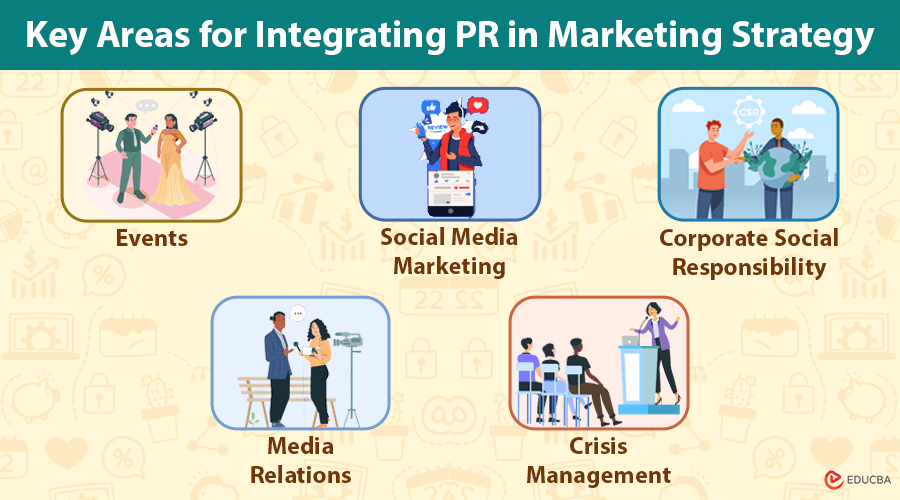
PR marketing can strengthen your brand across various areas. Here are key areas where it can be highly beneficial:
1. Events
Hosting or attending industry events is a great way to generate buzz about your brand. Consider:
- Product launches
- Press conferences
- Seminars and trade shows
You can also sponsor events to gain visibility and credibility.
2. Social Media Marketing
Social media is a crucial part of PR and marketing. To maximize its impact:
- Share informative, engaging, and entertaining content.
- Run social media ads and collaborate with influencers.
- Use social listening tools (e.g., Hootsuite, Sprout Social) to monitor brand mentions and trends.
- Engage your audience by responding promptly to comments and messages.
3. Corporate Social Responsibility (CSR)
Aligning your brand with social causes enhances reputation and trust. Ways to integrate CSR into your PR strategy:
- Partner with non-profits.
- Create employee volunteer programs.
- Publicize your CSR initiatives on social media and your website.
4. Media Relations
Building relationships with traditional media outlets helps spread positive messages about your brand. Use:
- Press releases to announce business updates.
- Thought leadership to offer industry insights.
- Local news, magazines, radio, and TV to increase credibility.
5. Crisis Management
PR marketing plays a vital role in handling crises. To manage a crisis effectively:
- Have a crisis communication plan in place.
- Use press conferences and media statements to address issues.
- Take control of the brand narrative before misinformation spreads.
5 Steps for Integrating PR in Marketing Strategy
Merging public relations with your marketing strategy can amplify brand visibility, credibility, and engagement. Here are five key steps to seamlessly integrating PR in marketing strategy:
Step 1: Conduct Thorough Research
Thorough PR and marketing research ensure your campaign is effective and well-targeted. Start by analyzing industry trends, including:
- Emerging technologies
- New and existing policies
- Latest data and statistics
Understand your target audience beyond demographics. Learn what they care about, where they get information, and how they respond to different marketing strategies. This helps shape your content and communication channels.
Study your competitors to identify:
- Their strengths and weaknesses
- Market gaps you can fill
- How customers perceive them
If you are in the food industry, research potential partners like influencers, journalists, and bloggers to strengthen your food and drink PR efforts. Collaborating with food bloggers, vloggers, and industry experts can help expand your reach.
Use social media, trade publications, and surveys to gather these valuable insights.
Step 2: Define Clear and Measurable Goals
Set well-structured goals using the SMART framework:
- Specific: Clearly outline objectives, e.g., “Increase brand awareness on Instagram by 10% in Q1.”
- Measurable: Track success through social media reach, website traffic, or sales figures.
- Achievable: Set realistic targets considering available resources and market conditions.
- Relevant: Align goals with overall business and marketing objectives.
- Time-bound: Establish deadlines to ensure timely execution and evaluation.
Step 3: Choose the Right PR Channels
PR is not about being everywhere—it is about being where it matters most. Choose channels that match your audience and objectives:
- Traditional Media: TV, radio, and print publications enhance credibility and trust.
- Online Media: Industry blogs, news websites, and digital publications boost reach and SEO.
- Social Media: Instagram, LinkedIn, and Twitter help grow brand awareness and engagement.
Prioritize channels that your target audience frequently engages with.
Step 4: Develop and Implement a PR Campaign Calendar
A structured PR calendar helps coordinate marketing and PR efforts efficiently:
- Use tools like spreadsheets, Asana, Trello, or ClickUp to organize.
- Schedule campaigns such as influencer collaborations, media publications, and events.
- Align activities with industry events and key business milestones.
- Regularly update and adjust your calendar to stay relevant to industry trends.
Step 5: Monitor and Analyze Results
Tracking PR performance helps refine strategies and maximize impact. Key metrics to monitor include:
- Website Analytics: Use Google Analytics to measure PR-driven traffic and conversions.
- Social Media Metrics: Track mentions, reach, engagement, and profile visits.
- Impact Metrics: Evaluate brand sentiment, event participation, and customer loyalty.
Regular performance reviews ensure your PR efforts remain effective and aligned with business goals.
Final Thoughts
Integrating PR in marketing strategy helps build a strong brand through events, social media, crisis management, and positive media coverage. Thorough research, clear goals, the right distribution channels, and a well-planned PR campaign can maximize the benefits of both PR and marketing.
Track your efforts, adjust your strategy as needed, and watch your brand image improve while driving business growth.
Author: Chris Norton

Chris Norton is the host of Embracing Marketing Mistakes, a UK Top 10 marketing podcast, and the Founder of the award-winning PR agency Prohibition. His social media training blog ranks among the UK’s top 10 PR blogs.
Recommended Articles
We hope this guide on integrating PR in marketing strategy has been helpful. Check out these recommended articles for more insights on PR tactics, brand building, and effective marketing strategies.

