
What is Integrated Marketing Communication (IMC)?
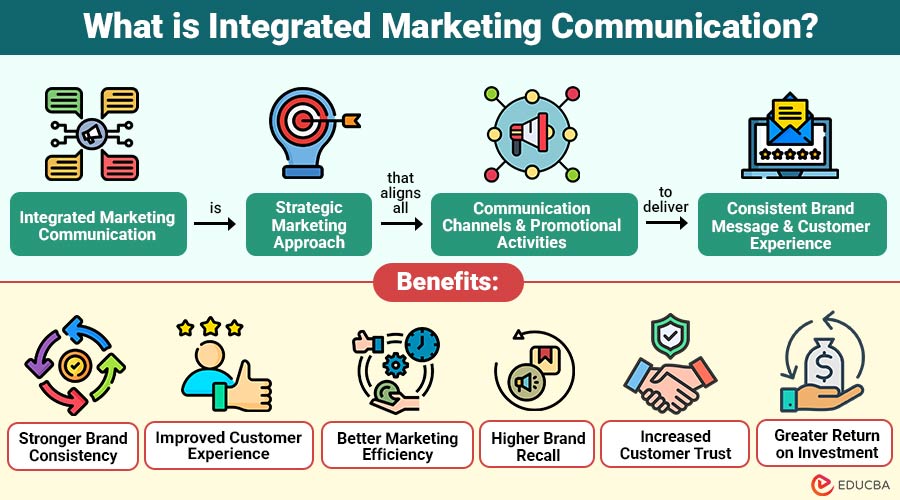
Integrated Marketing Communication is a strategic marketing approach that aligns all communication channels and promotional activities to deliver consistent brand message and customer experience.
Instead of operating separately, channels such as advertising, public relations, social media, email marketing, and digital marketing work together to communicate a unified message.
For example, when launching a new product, a company uses social media, email campaigns, advertisements, and website content that all share the same message, visuals, and brand identity, ensuring a consistent customer experience across every touchpoint.
Table of Contents:
Key Takeaways:
- Integrated marketing communication aligns all marketing channels to deliver a consistent and unified brand message.
- Consistent communication significantly strengthens brand recognition, customer trust, and overall marketing effectiveness.
- Coordinated campaigns improve the customer experience by ensuring seamless interactions across touchpoints.
- Effective IMC maximizes marketing ROI through integrated strategies, resource optimization, and measurement.
Importance of Integrated Marketing Communication
Integrated marketing communication is important because it ensures all marketing efforts work together to deliver a consistent brand message and achieve better business results.
1. Creates a Unified Brand Image
Ensures consistent messaging, visuals, and values across channels, strengthening overall brand identity perception.
2. Improves Customer Trust and Credibility
Consistent communication builds customer confidence, making the brand appear reliable, authentic, and trustworthy.
3. Enhances Brand Recognition
Repeated exposure to consistent branding helps customers easily identify and remember the brand.
4. Increases Marketing Effectiveness
Coordinated campaigns reinforce messages across channels, improving audience engagement and campaign performance.
5. Eliminates Conflicting Messages
Aligns all communications to prevent customer confusion caused by inconsistent or contradictory information.
6. Maximizes Return on Marketing Investments
Integrated efforts improve resource utilization, generating better results and higher marketing returns.
Components of Integrated Marketing Communication
Successful IMC combines multiple communication channels into one coordinated strategy.
1. Advertising
Paid promotional efforts intended to educate, convince, and remind consumers about a company, good, or service are included in advertising. It is one of the most visible elements of IMC and helps create large-scale brand awareness.
2. Public Relations
Public relations focuses on building and maintaining positive image for an organization among customers, investors, employees, media, and the general public. Unlike advertising, PR often relies on earned media and relationship-building activities.
3. Digital Marketing
Digital marketing is critical component of modern IMC because consumers spend significant time online. It uses internet-based platforms and technologies to reach target audiences efficiently and measure campaign performance.
4. Email Marketing
Sending targeted, customized communications directly to clients and prospects is known as email marketing. It is a cost-effective communication channel that helps businesses build long-term customer relationshi
5. Sales Promotion
Sales promotion consists of short-term incentives designed to encourage immediate customer action and boost sales. These activities are often used to support product launches, seasonal campaigns, or inventory clearance efforts.
6. Social Media Marketing
Social media marketing uses social networking sites to communicate, engage, and build relationships with customers. It has become an essential IMC component because it enables real-time interaction and content sharing.
How Does Integrated Marketing Communication Work?
IMC works by coordinating all communication activities around a common strategy.
The process typically involves the following steps:
Step 1: Define Marketing Objectives
Businesses first identify what they want to achieve.
Objectives may include:
- Increasing brand awareness
- Generating leads
- Driving sales
- Improving customer retention
- Launching new products
Step 2: Understand the Target Audience
Marketers analyze customer demographics, interests, behaviors, and preferences to create relevant messages.
Step 3: Develop a Consistent Message
A central message is created that reflects the brand’s value proposition and campaign goals. This message becomes the foundation for all communication channels.
Step 4: Select Communication Channels
Businesses choose most effective channels for reaching their audience, such as:
- Social media
- Search engines
- Television
- Print media
- Events
Step 5: Coordinate Campaign Execution
Marketing teams ensure all channels communicate consistent messages, visuals, and branding.
Step 6: Measure Performance
Results are tracked using metrics such as:
- Website traffic
- Conversion rates
- Customer engagement
- Sales growth
- Return on investment (ROI)
Insights are then used to improve future campaigns.
Benefits of Integrated Marketing Communication
Organizations that implement IMC effectively can achieve several benefits.
1. Stronger Brand Consistency
Delivers consistent messaging across channels, reinforcing brand identity and creating a recognizable market presence.
2. Improved Customer Experience
Provides seamless interactions across touchpoints, making customer journeys smoother, more engaging, and satisfying.
3. Better Marketing Efficiency
Coordinates marketing activities effectively, reducing duplication, optimizing resources, and improving overall campaign performance.
4. Higher Brand Recall
Consistent exposure to brand messages helps customers remember and recognize the brand more easily.
5. Increased Customer Trust
Unified communication builds credibility, confidence, and stronger relationships between customers and the brand.
6. Greater Return on Investment
Integrated campaigns improve effectiveness, generating better results and maximizing the return on marketing investment.
Challenges of Integrated Marketing Communication
While IMC offers significant benefits, businesses may encounter several challenges.
1. Maintaining Consistency
Managing consistent messaging across multiple teams and channels can be difficult for organizations.
2. Cross-Department Coordination
Effective collaboration between marketing, sales, customer service, and public relations teams is essential.
3. Managing Multiple Platforms
Handling numerous digital and traditional communication channels increases complexity and management requirements.
4. Measuring Effectiveness
Tracking and attributing results accurately across multiple customer touchpoints remains a significant challenge.
5. Budget Constraints
Limited financial resources can restrict the implementation of comprehensive integrated marketing communication strategies.
Examples of Integrated Marketing Communication
The following examples demonstrate how organizations use multiple communication channels to deliver a consistent and unified marketing message.
1. New Restaurant Opening Campaign
A restaurant launches a new outlet in the city.
The restaurant uses:
- Social media promotions
- Influencer collaborations
- Email newsletters
- Local newspaper advertisements
- Google Ads
- Website announcements
All communication channels promote the same opening date, special offers, menu highlights, and brand identity, creating a consistent customer experience and maximizing awareness before the launch.
2. Retail Holiday Promotion
A retail brand announces a holiday sale through:
- Email newsletters
- Social media advertisements
- In-store signage
- Mobile app notifications
- Search engine ads
Customers receive consistent information about discounts and promotional offers across all channels.
Final Thoughts
Integrated Marketing Communication (IMC) helps businesses deliver consistent messages across multiple marketing channels. By aligning advertising, public relations, digital marketing, social media, and other communication efforts, organizations can strengthen brand recognition, improve customer experiences, build trust, and maximize marketing effectiveness, making IMC essential for long-term business success.
Frequently Asked Questions (FAQs)
Q1. How does IMC improve customer experience?
Answer: IMC ensures customers receive consistent messages, branding, and information across all touchpoints, creating a seamless and more satisfying customer journey.
Q2. How does social media support IMC?
Answer: Social media helps businesses get involved with customers, share consistent brand messages, promote campaigns, and reinforce communication efforts across other marketing channels.
Q3. How can businesses measure success of an IMC campaign?
Answer: Businesses can evaluate IMC performance using metrics such as website traffic, customer engagement, lead generation, conversion rates, sales growth, customer retention, and ROI.
Q4. Can small businesses benefit from IMC?
Answer: Yes. Small businesses can use IMC to build brand awareness, improve marketing efficiency, strengthen customer relationships, and compete more effectively with larger competitors.
Recommended Articles
We hope that this EDUCBA information on “Integrated Marketing Communication” was beneficial to you. You can view EDUCBA’s recommended articles for more information.

