


What is Marketing Collateral?
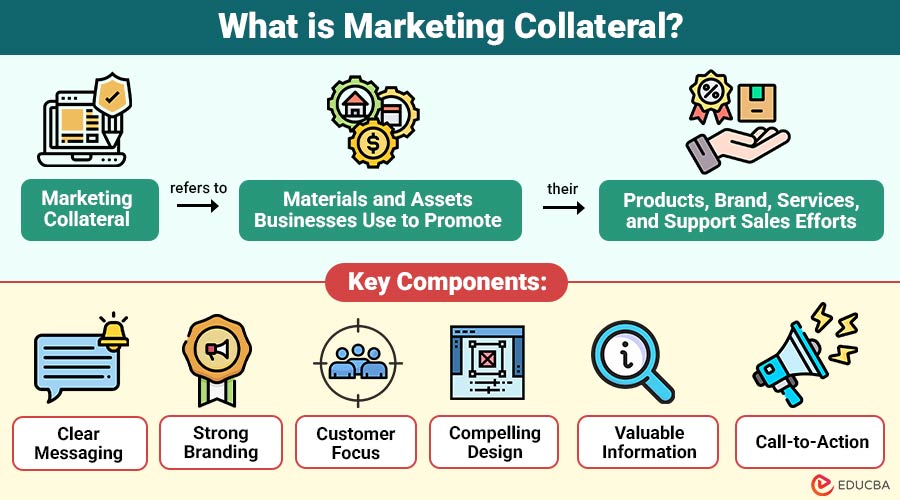
Marketing collateral refers to the materials and assets businesses use to promote their products, brand, services, and support sales efforts. These resources help communicate key information, build brand awareness, educate potential customers, and drive purchasing decisions.
For example, a software company may create product brochures, customer success stories, demo videos, and sales presentations to help prospects understand the benefits of its solution and move through the buying journey.
Table of Contents:
Key Takeaways:
- Marketing collateral educates prospects, builds trust, and supports sales throughout the customer journey.
- Effective collateral combines clear messaging, strong branding, valuable content, and actionable guidance.
- Various formats, including brochures, videos, case studies, and eBooks, serve different objectives.
- Regular updates and performance tracking help maximize collateral effectiveness and marketing returns.
Importance of Marketing Collateral
Marketing collateral plays an important role in attracting prospects, building trust, supporting sales efforts, and driving business growth through effective communication.
1. Builds Brand Awareness and Recognition
Consistent marketing materials increase brand visibility and help customers recognize and remember the business.
2. Supports Lead Generation Efforts
Valuable collateral attracts prospects, captures interest, and encourages them to share contact information.
3. Educates Prospects About Products and Services
Informative content explains features, benefits, and solutions, helping prospects make confident purchasing decisions.
4. Strengthens Customer Trust and Credibility
Professional collateral demonstrates expertise, reliability, and commitment, increasing customer confidence in the brand.
5. Helps Sales Teams Communicate Effectively
Sales representatives use collateral to present information clearly and address customer questions efficiently.
Types of Marketing Collateral
Marketing collateral comes in various types depending on business goals and target audiences.
1. Brochures
Brochures provide detailed information about products, services, features, and benefits in an organized promotional format.
2. Flyers
Flyers are concise promotional materials designed to quickly attract attention and communicate specific marketing messages.
3. Product Catalogs
Product catalogs showcase available products, specifications, pricing, and features to assist customers in making purchasing decisions.
4. Case Studies
Case studies highlight real customer success stories demonstrating product effectiveness and measurable business results.
5. White Papers
White papers provide in-depth industry insights, research findings, and expert analysis on specific topics.
6. eBooks
eBooks offer valuable educational content that generates leads while establishing authority and industry expertise.
7. Sales Presentations
Sales presentations communicate product value, benefits, and solutions during meetings, pitches, and demonstrations.
8. Videos
Videos deliver engaging visual content that effectively explains products, services, features, benefits, or customer experiences.
How Does Marketing Collateral Work?
Marketing collateral supports customers throughout the buyer’s journey, from creating awareness to building long-term loyalty.
1. Awareness Stage
Marketing collateral introduces the brand through advertisements, social media, blogs, videos, and infographics.
2. Consideration Stage
Prospects evaluate solutions using brochures, product sheets, case studies, webinars, and educational eBooks.
3. Decision Stage
Presentations, testimonials, demonstrations, and comparison guides help customers confidently choose suitable products.
4. Retention Stage
User guides, newsletters, and educational resources maintain engagement and strengthen customer loyalty.
Key Components of Effective Marketing Collateral
Successful marketing collateral typically contains several important key components:
1. Clear Messaging
Content should deliver a focused message that supports business objectives and audience understanding.
2. Strong Branding
Consistent branding elements strengthen recognition, trust, and overall brand identity across materials.
3. Customer Focus
Effective collateral addresses customer needs, pain points, challenges, and desired business outcomes.
4. Compelling Design
Professional design enhances visual appeal, readability, engagement, and overall user experience.
5. Valuable Information
Content should provide useful insights, solutions, and knowledge beyond promotional messaging alone.
6. Call-to-Action
A clear call-to-action encourages audiences to take specific actions that support marketing goals.
Benefits of Marketing Collateral
Businesses invest in marketing collateral because it provides numerous benefits.
1. Enhanced Brand Consistency
Marketing collateral ensures consistent messaging, visuals, and branding across all customer touchpoints.
2. Improved Lead Generation
Valuable resources attract qualified prospects and encourage engagement, inquiries, and lead capture activities.
3. Better Sales Support
Collateral helps sales teams explain products clearly and address customer concerns more effectively.
4. Increased Credibility
Professional marketing materials demonstrate expertise, reliability, and trustworthiness, significantly strengthening brand reputation.
5. Higher Conversion Rates
Informative content reduces uncertainty and helps prospects make purchasing decisions more confidently and faster.
6. Greater Customer Engagement
Interactive and educational materials encourage deeper audience participation and stronger brand connections.
7. Long-Term Value
Reusable collateral assets support multiple campaigns, maximizing returns while reducing marketing costs over time.
Challenges of Marketing Collateral
While valuable, creating and managing marketing collateral can present challenges.
1. Content Obsolescence
Marketing collateral can become outdated quickly due to changing products, services, or market conditions.
2. Inconsistent Branding
Different teams may create materials that fail to consistently follow established brand guidelines.
3. Resource Requirements
Developing high-quality collateral requires significant time, expertise, effort, and financial investment resources.
4. Measuring Effectiveness
Tracking collateral’s direct influence on leads, conversions, and sales performance remains challenging.
5. Content Overload
Excessive information can overwhelm prospects, reducing engagement, comprehension, and overall marketing effectiveness.
Real-World Examples
Organizations across various industries use different types of marketing collateral to educate audiences, promote their offerings, and support customer engagement. Here are some common examples:
1. Technology Company
A software provider creates:
- Product brochures
- Customer case studies
- Demo videos
- White papers
- Sales presentations
These assets help educate prospects and support the sales process.
2. Real Estate Agency
A real estate firm uses:
- Property brochures
- Neighborhood guides
- Virtual tour videos
- Email newsletters
These materials help attract buyers and sellers.
3. Healthcare Organization
A healthcare provider develops:
- Patient education booklets
- Service brochures
- Wellness guides
- Informational videos
These resources improve patient awareness and engagement.
Final Thoughts
Marketing collateral is a valuable tool that helps businesses promote their brand, educate prospects, and support sales efforts. From brochures to digital assets, effective collateral strengthens brand awareness, builds customer trust, and improves conversions. Consistent, audience-focused, and well-designed materials contribute significantly to long-term business growth and success.
Frequently Asked Questions (FAQs)
Q1. Who creates marketing collateral?
Answer: Marketing teams typically create collateral, often collaborating with designers, content writers, product managers, and sales teams.
Q2. How often should marketing collateral be updated?
Answer: Organizations should review and update collateral regularly, especially when products, services, branding, or market conditions change.
Q3. What makes marketing collateral successful?
Answer: Successful marketing collateral combines clear messaging, strong branding, valuable content, and a compelling call to action to drive engagement and conversions.
Q4. How can businesses measure effectiveness of marketing collateral?
Answer: Businesses can measure the effectiveness of marketing collateral through lead generation, engagement, conversion rates, website traffic, and sales performance.
Recommended Articles
We hope that this EDUCBA information on “Marketing Collateral” was beneficial to you. You can view EDUCBA’s recommended articles for more information.

