


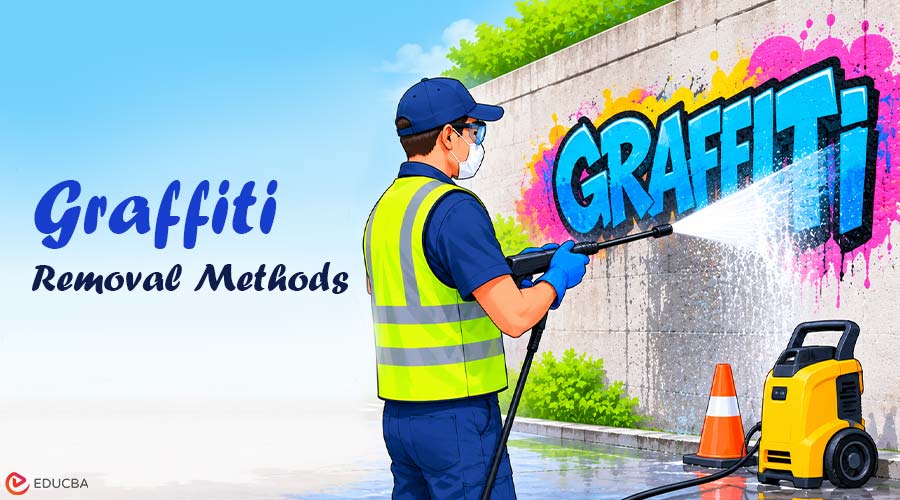
When you find graffiti on your property, you probably want it gone fast. But the real challenge is not just removing the paint. It is doing it without harming the brick, concrete, or metal underneath. The wrong chemical can leave a permanent stain, and too much pressure can carve into the surface. This can leave a faint outline of the tag that you cannot get rid of. Understanding the right graffiti removal methods is essential to protecting your property from permanent damage.
Most graffiti is not detailed art. The City and County of Denver says about 80% of it is “tagging,” quick scribbles from a spray can or marker. These might look easy to clean, but every surface needs the right method. When you look for a service like professional pressure washing from a company like Lightning Mobile, do not just look for speed. Focus on the method they suggest for your building. The goal is to make the surface look like new, not just to blast off the paint.
Quick answer: The best graffiti removal methods depend on two things: the surface material and the type of paint or ink. Using the wrong method can cause permanent damage like carving, staining, or creating small holes in the surface. This turns a short-term problem into lasting damage. A pro focuses on saving the surface underneath, not just blasting away the paint.
Table of Contents
- What is the real risk of improper removal?
- How are removal methods matched to surfaces?
- What is media blasting and how does it work?
- What specific questions should you ask a contractor?
- Can you protect a surface from future graffiti?
What is the Real Risk of Improper Graffiti Removal Methods?
The biggest risk is turning a temporary paint problem into permanent, expensive damage. Harsh chemicals or too much pressure can create “ghosting.” This is a faint outline of the tag left behind, like a chemical stain. It can also cause etching, when the cleaning process carves into the surface. This leaves a scar on brick, stone, or concrete that is often impossible to fix.
This damage can happen even with simple jobs. Large spray-paint murals are only about 5% of graffiti, says the City and County of Denver. Most of it is simpler tags. But even these need careful removal. The number of painters is also growing. The U.S. Bureau of Labor Statistics expects a 3% job increase by 2035. With more companies out there, skills and tools can vary a lot. That is why it is so important to check a contractor’s graffiti removal methods, not just their price.
A key thing to remember is how much a mistake can cost. Fixing a damaged surface, like repairing the mortar between bricks or smoothing out a concrete wall, can easily cost many times more than the first graffiti removal. You want to avoid a “fix” that is worse than the original problem.
Beyond the damage you can see right away, a poorly treated surface can weaken over time. Harsh chemicals can remove protective coatings. Rough cleaning methods can make materials like brick and concrete more porous, meaning they have more tiny holes. This lets water seep in, which can cause damage when it freezes and thaws. It also makes it easier for new graffiti to sink deep into the surface, starting an expensive cycle of removal and repair.
How Are Graffiti Removal Methods Matched to Different Surfaces?
The right method starts with testing a small, hidden spot. This shows how the surface and the paint react to the cleaning product. A one-size-fits-all method is the quickest way to permanently damage a building. A porous surface like old brick needs a very different plan than smooth, painted metal. A pro will start by figuring out the surface material (the substrate) and the type of graffiti (like spray paint or marker).
Then, a small test will show the gentlest method that will still work. This test is the biggest difference between careful cleaning and careless work. Anyone can spray a chemical or use a pressure washer. The skill is in understanding the problem and proving the solution works on a small spot first. If a contractor refuses to do a test patch, that is a major warning sign.
Ask a contractor how they stop “ghosting” on surfaces with tiny holes, like brick. Their answer should mention using the right chemicals to stop the reaction, letting them sit for a specific amount of time, and rinsing everything completely. A fuzzy answer suggests they might not know how to prevent a permanent stain on your wall.
Here is a general guide to how different graffiti removal methods align with common surfaces. The key is to adjust the specific chemical, pressure, or media based on the test patch results.
| Removal Method | Best For | Key Consideration | Major Risk if Misused |
| Chemical Solvents | Smooth surfaces that do not soak up liquids, like metal or sealed concrete. | Must use the right chemical for the paint. Needs to be neutralized and rinsed off completely. | Can leave chemical stains (“ghosting”) on surfaces that soak up liquids, like brick or stone. |
| Pressurized Water | Strong, hard surfaces like new concrete. Also used to rinse after chemicals. | Pressure (PSI) must be set carefully to avoid carving into the surface. | Can create small holes, carve lines, or strip the top layer off concrete. Can also push water deep inside brick walls. |
| Media Blasting | Works on many surfaces, like old brick, wood, and metal. | The cleaning material (“media”) must be softer than the surface but harder than the paint. | Using a material that is too rough will scrape and destroy the surface underneath. |
Ultimately, the goal is to remove the paint with the least force. This often means using more than one step, like using a chemical to dissolve the paint and then a low-pressure rinse to wash it off. The right graffiti removal methods work without leaving any sign they were used.
What is Media Blasting and How Does it Work for Graffiti Removal?
Media blasting is a cleaning method that uses compressed air to shoot a fine material at a surface. This strips away things like paint. Unlike pressure washing, its power comes from the media’s gentle abrasion, not just water pressure. This makes it a flexible, precise tool for removing graffiti when a trained professional uses it. The key is choosing the right media. The material must be harder than the paint but softer than the surface underneath. This simple rule prevents damage. For example, crushed walnut shells might be used on delicate wood surfaces.
They are abrasive enough to remove paint but will not destroy the wood grain. For more durable surfaces like metal, a professional might use fine glass beads. These can strip tough paint without pitting the metal. On sensitive brick, some crews use sodium bicarbonate at very low pressure. It is gentle and dissolves in water, making cleanup simple, but preservation guidance warns that any abrasive can scar historic masonry, so use it only after a successful test patch.
This is a huge improvement over old methods like sandblasting, which is too aggressive for most graffiti removal. The process gives an operator a lot of control. They can adjust the air pressure and the amount of media being used. This allows for precise work on small areas without affecting the rest of the wall. It also uses far less water than pressure washing. This makes it a good choice for areas where water runoff is a concern.
What Questions Should You Ask Your Contractor?
Before you hire a professional, you should have a few questions ready. Their answers will reveal their expertise and level of care. A good contractor will welcome these questions. They show you are focused on protecting your property.
Here are four essential questions to ask:
- What is your exact process for a surface like mine? They should be able to identify your surface material. They should also explain the specific chemicals or media they plan to use. A vague answer is a red flag.
- Will you perform a small test patch first? The answer should always be yes. A test proves their method works without causing damage. It is a standard step for any careful professional.
- How will you protect the surrounding area? The process can create dust or overspray. Ask how they plan to protect windows, plants, and nearby cars. They should mention using plastic sheeting or other barriers.
- Are your cleaning agents environmentally compliant? Many cities have rules about water runoff and chemicals. A professional service should know these rules. They should use safe, legal products.
Can You Protect a Surface From Future Graffiti?
Yes, you can take steps to make future cleanup much easier. The best defense is applying a special anti-graffiti coating after you clean the surface. These coatings create a protective barrier between the wall and any new paint. This stops the paint from soaking into the surface. There are two main types of protective coatings. Sacrificial coatings are clear layers that wash away with the graffiti. You use a gentle, low-pressure hot wash to remove the paint and the coating.
Then, you reapply a new layer. Permanent coatings are different. They create a durable, non-stick surface. When graffiti is applied, you can usually wipe it clean with a simple solvent. The coating itself remains intact. This is a great option for areas that are targeted repeatedly. Combining protective coatings with appropriate graffiti removal methods can help reduce the risk of surface damage during future cleaning.
Final Thoughts
Choosing a graffiti removal service is about more than just a clean wall. It is an investment in your building’s long-term health. The wrong method can cause damage that is far more costly and permanent than the graffiti itself. By understanding the risks and comparing different graffiti removal methods, you can ask the right questions.
Focus on contractors who prioritize surface preservation. They should be willing to perform a test patch. They should also clearly explain their methods for your specific wall type. A careful, knowledgeable approach ensures the graffiti disappears completely. It leaves your property looking as if the vandalism never happened.
Frequently Asked Questions (FAQs)
Q1. Is It Cheaper to Just Paint Over the Graffiti?
Answer: Painting over graffiti may seem cheaper, but paint can bleed through, leaving visible marks and uneven textures. Proper graffiti removal restores the original surface and helps maintain your property’s appearance and value.
Q2. What Is the Difference Between Power Washing and Pressure Washing?
Answer: Pressure washing uses high-pressure water, while power washing uses heated water. Heat helps remove stubborn paint and grime but may damage delicate surfaces. The right method depends on the material.
Q3. Can Graffiti Be Removed Without Damaging the Surface?
Answer: Yes, using suitable graffiti removal methods can protect the original surface. Gentle chemicals, controlled water pressure, and proper cleaning techniques help prevent damage. Always test a small area first.
Q4. Is Pressure Washing Safe for Graffiti Removal?
Answer: Pressure washing works well on durable surfaces like concrete. However, excessive pressure can damage brick, stone, and other delicate materials. Adjusting the pressure helps prevent surface erosion.
Q5. Are Chemical Graffiti Removal Methods Safe for All Surfaces?
Answer: No, some chemicals can discolor surfaces, damage coatings, or leave stains. Choose a cleaner suited to the material, and test it on a small area before use.
Recommended Articles
Looking for more ways to protect and maintain your property? Check out our recommended articles for practical insights and expert advice. Discover useful tips on effective cleaning, preventing surface damage, and keeping your property in excellent condition.

