


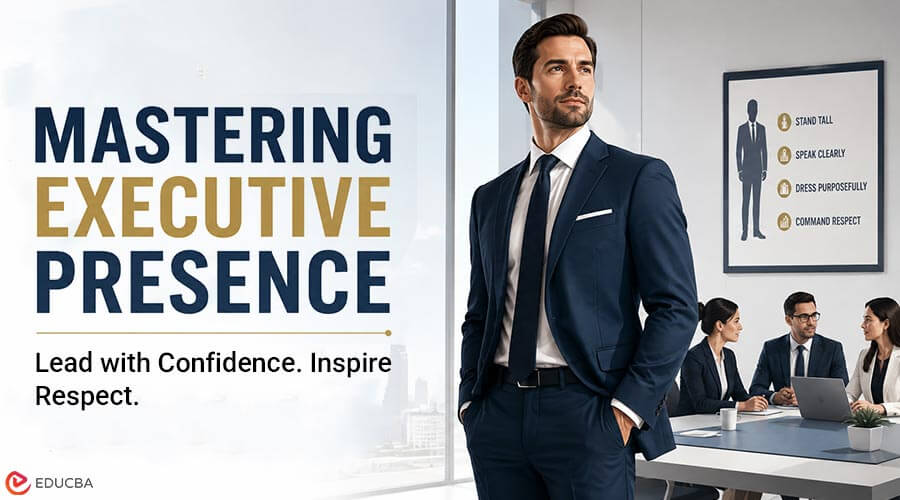
In the modern competitive corporate landscape, technical expertise and strategic vision are only part of the leadership equation. How professionals present themselves their Executive Presence frequently dictates how peers, stakeholders, and clients perceive their authority, competence, and reliability. Executive presence is a cultivated combination of non-verbal communication, psychological confidence, and intentional personal presentation.
As business environments across North America continue to evolve, maintaining an authoritative image has become essential. From high-stakes boardroom presentations in major financial hubs to international meetings, mastering the subtle cues of professional presence directly impacts career advancement.
The Psychology Behind First Impressions and Non-Verbal Cues
Human psychology relies heavily on thin-slicing the cognitive ability to make quick inferences about an individual within seconds of meeting them. Research in organizational psychology indicates that non-verbal cues account for a significant portion of initial interpersonal evaluations.
Key factors influencing executive perception include:
- Postural Openness: Expanding one’s physical footprint through upright posture signals comfort, dominance, and accessibility.
- Spatial Command: How a professional occupies space in a meeting room reflects their confidence and authority.
Studies show that standing straight helps others see you as more confident and can reduce stress during important career moments.
Stature, Alignment, and Wardrobe Selection
Physical height and posture have long been linked in behavioral research to perceived leadership capacity. You cannot change your height, but good posture helps you look more confident and professional. Many professionals overlook footwear when choosing business clothing. Good shoes improve posture and create a better first impression. Studies show that standing straight makes you appear more confident and authoritative.
For business professionals navigating corporate settings across North America particularly in Canadian commercial hubs where seasonal conditions require functional yet refined attire footwear must strike a balance between aesthetics and utility. Integrating well-crafted men’s elevator boots into a professional wardrobe offers a practical solution. These shoes add a little height and provide good support for all-day comfort. They help professionals stand confidently during meetings, presentations, and networking events. Good footwear supports better posture and keeps your body properly aligned. It also helps reduce slouching after sitting at a desk for long hours.
Strategic Dressing for Executive Presence
Wearing clothes that match the weather shows you are practical and well-prepared. In Canada and the northern United States, professionals need outfits for cold commutes and office meetings.
Key strategies for seasonal professional environments:
- High-Performance Layering: Opt for breathable wool blazers that provide insulation without adding unnecessary bulk.
- Versatile Footwear Transitions: Moving between outdoor travel and indoor meetings requires shoes made from high-quality leather that keep out water while maintaining a neat, professional look.
- Proportional Tailoring: Ensure suit jacket lengths and trouser breaks match your frame, creating a streamlined, elongated profile.
Choosing comfortable, professional clothing and shoes helps professionals stay focused on decision-making and communication.
Final Thoughts
Executive presence is an actionable asset combining psychological self-regulation, postural awareness, and intentional wardrobe choices. Standing straight helps you look more confident and professional. In Canada, comfortable and high-quality business clothing helps you stay confident throughout the day. Simple body language and the right clothing help you create a strong and confident workplace presence.
Recommended Articles
We hope this comprehensive guide on executive presence helps you build confidence, strengthen your professional image, and enhance your leadership impact. Check out these articles for more insights and practical strategies to advance your career and executive leadership skills.


