


Popular Trends in the Event Planning Industry
Event planning is an ever-evolving field, continually adapting to new technologies, social shifts, and evolving guest expectations. Whether you are organizing a wedding, a corporate conference, or a festival, staying updated with the latest event planning trends is essential to creating unique and memorable experiences. Attendees now seek personalized touches, interactive experiences, and seamless technology integration, making it more important than ever for planners to innovate and engage their audiences.
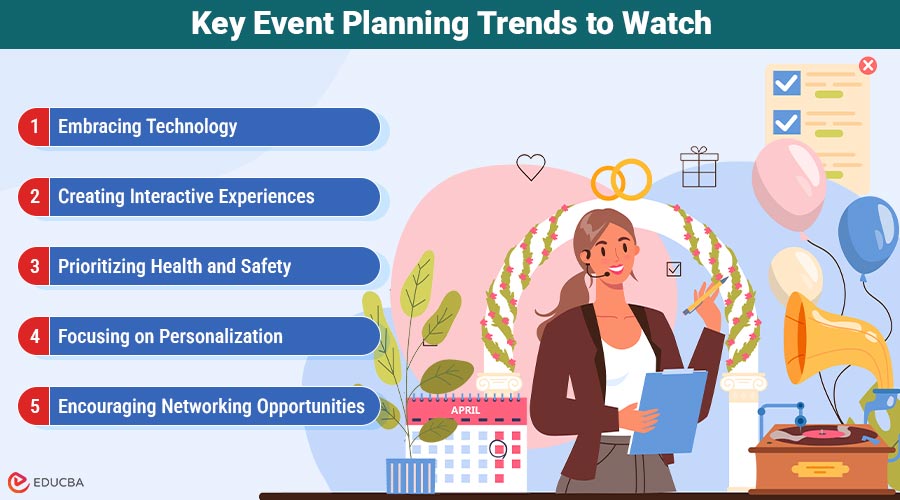
Key Event Planning Trends to Watch
Here are some popular trends in event planning.
1. Embracing Technology
Technology is transforming the way planners and attendees connect. Virtual and hybrid events have gained popularity, particularly in recent years. Live streaming options allow people who cannot attend in person to join and engage. Mobile apps are also essential for event planners. These apps facilitate communication, provide real-time updates, and foster networking among attendees. Features like interactive maps and Q&A sessions make events more engaging and user-friendly. Staying updated with the latest tools is crucial for running successful events.
2. Creating Interactive Experiences
Attendees want to be active participants, not just spectators. Adding interactive elements can improve their experience. Photo booths, DIY stations, and immersive installations engage guests and encourage their involvement. Workshops and breakout sessions let attendees learn new skills while networking. Interactive elements, like contests and scavenger hunts, increase engagement and promote a sense of community. These experiences enhance enjoyment and can leave lasting memories.
3. Prioritizing Health and Safety
Due to recent events, health and safety have become top priorities in event planning. Attendees feel safer when planners show they care about their well-being. This includes providing sanitization stations and ensuring social distancing measures are in place. A walk through metal detector is becoming common at larger events. They help enhance security and create a safer environment for everyone. Implementing these measures helps planners earn guests’ trust, enabling them to enjoy the event with confidence and safety.
4. Focusing on Personalization
Personalization is key to making events memorable. Attendees appreciate it when events align with their tastes and preferences. Using data from RSVPs or previous attendances helps planners customize experiences and make guests feel valued. For corporate events, incorporating branded items such as custom swag bags or unique themes enhances the company’s identity. Weddings and social events benefit from personalized touches that showcase the hosts’ story, creating a deeper emotional connection. Personalization makes an event unforgettable.
5. Encouraging Networking Opportunities
Events aim to build connections, so making networking easy is now a priority. Helping attendees form relationships adds value to their experience. Organizing structured networking sessions or providing spaces for casual interaction can help with this. Using event apps that suggest connections based on interests can improve networking. Breakout sessions also promote participation and discussions. The goal is to create an environment where attendees feel motivated to connect, share ideas, and work together.
6. Culinary Innovations
Food is a crucial part of events, and food trends are constantly evolving. Attendees seek unique and delicious food experiences that surpass standard catering. Creative food stations, such as live cooking demonstrations or themed buffets, can leave a lasting impression. The popularity of plant-based and globally inspired menus shows a move toward more diverse food options. Planners are collaborating with caterers to offer meals that cater to various dietary requirements, ensuring all guests can enjoy the food. Engaging culinary experiences, such as premium cocktail bars or dessert stations, enable guests to indulge and make their meals truly memorable.
7. Sustainability Focus
Sustainability has evolved beyond being just a buzzword in event planning. Clients want their events to reflect a commitment to the environment. From eco-friendly venues to sustainable catering, there are many ways to go green. For example, choosing locally sourced food reduces carbon footprints and supports local economies. Planners are also switching to digital invitations and minimizing the use of printed materials to save paper and reduce waste. Effective recycling programs and biodegradable materials are gaining traction, enabling events to be both elegant and environmentally friendly.
8. Emphasizing Local Sourcing
A new trend in event planning is using local sources. Planners find that working with local vendors and suppliers supports the local economy and gives events a more authentic feel. Collaborating with local florists, caterers, and entertainers can create a unique atmosphere that highlights the region’s culture. Local sourcing goes beyond food and decorations. It can enrich the attendee experience by highlighting local and regional flavors. Consider using local ingredients for catering, displaying regional art, or including live performances by local artists.
Final Thoughts
The landscape of event planning is continually evolving, driven by technology, personalization, sustainability, and the desire for interactive experiences. Staying informed about event planning trends allows organizers to craft events that are memorable, engaging, and safe. By adopting these trends, planners can craft memorable experiences that leave a lasting impression and set a new standard for future events.
Recommended Articles
We hope this guide to event planning trends helps you plan unforgettable events. Explore these recommended articles for additional tips and ideas to enhance your event planning skills.

