


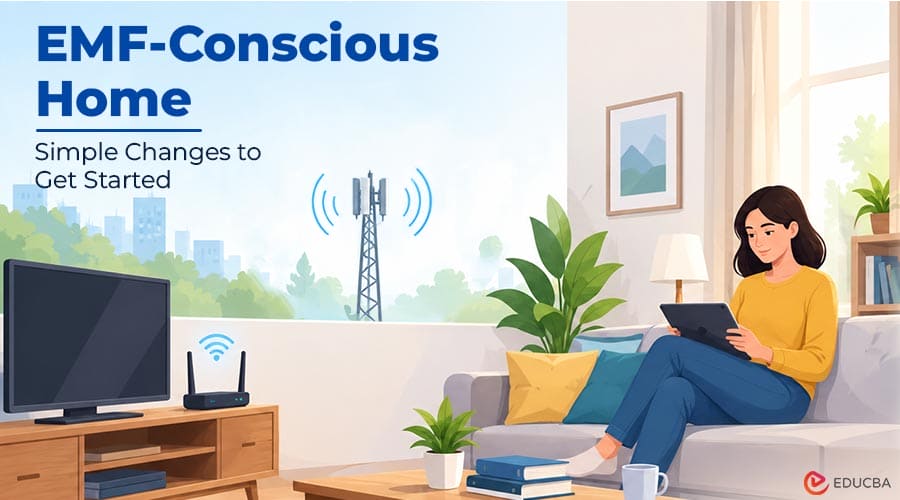
Modern homes are full of technology. Smartphones, WiFi routers, laptops, tablets, smart TVs, Bluetooth speakers, security cameras, smart meters, gaming systems, and connected appliances are now part of everyday life. These devices make life easier, faster, and more convenient, but they also change the home environment. For many homeowners, this has created a growing interest in EMF-conscious home practices.
EMF stands for electromagnetic fields. These fields are associated with many types of electrical and wireless devices. While technology is useful and often necessary, some homeowners are becoming more thoughtful about how they arrange, use, and manage devices in their living spaces. Creating an EMF-conscious home does not mean rejecting technology. It means building a more balanced relationship with it.
What Does an EMF-Conscious Home Mean?
An EMF-conscious home is a living space where you use technology more mindfully. This can include where devices are placed, how often they are used, whether certain electronics remain on all day, and how much technology is present in rest areas such as bedrooms. The goal is not to create fear. The goal is to create a home that feels calmer, more intentional, and more supportive of daily routines.
An EMF-conscious approach may include simple habits such as:
- Keeping devices away from the bed
- Turning off unused electronics
- Placing WiFi routers in practical but less central areas
- Creating screen-free spaces
- Reducing unnecessary wireless devices
- Organizing cables and chargers
- Using wellness-focused home tools as part of a broader routine
Small changes can make the home feel more organized and less overwhelmed by technology.
Why More People Are Paying Attention to EMFs?
Technology use has increased in almost every part of daily life. People work from laptops, relax with smart TVs, communicate through phones, and manage homes with connected devices. Children may use tablets for school. Adults may use phones late into the evening. Many households now have multiple devices running at the same time. Because of this, some people are thinking more carefully about the invisible side of the home environment.
They may ask questions such as:
- Is my bedroom too crowded with devices?
- Do I need all electronics on all the time?
- Can I create a calmer space for sleep or relaxation?
- Is there a better place for the router?
- Can I reduce screen use before bed?
These questions are part of a wider digital wellness movement. People are thinking not only about how much time they spend on screens, but also about how technology shapes the feeling of their home.
Start With the Bedroom
The bedroom is one of the most important places to consider when creating a more EMF-conscious home. This is the space where people rest, recover, and prepare for the next day. Yet many bedrooms now include phones, tablets, smartwatches, chargers, TVs, laptops, and other electronics. A few simple changes can help make the bedroom feel more restful:
1. Move the Phone Away From the Bed
Instead of keeping a phone on the nightstand, consider placing it across the room or outside the bedroom. This can reduce late-night scrolling and make the room feel less connected to work, messages, and notifications.
2. Use a Traditional Alarm Clock
Many people keep phones nearby because they use them as alarms. A simple alarm clock can make it easier to keep the phone farther away.
3. Remove Unnecessary Electronics
If you do not need a device in the bedroom, consider moving it elsewhere. Fewer devices in the room can make the space feel calmer.
4. Create a Low-Tech Evening Routine
Reading, journaling, stretching, or taking a few minutes of quiet time before sleep can help separate the evening from the day’s digital noise.
Think About Router Placement
WiFi routers are often placed wherever installation is easiest, but their location can influence how a home feels and functions. Place a router where it can provide good coverage, but it does not always need to be in a bedroom, beside a bed, or in the center of a relaxation space.
A more thoughtful placement might include:
- A hallway
- A home office
- A living room cabinet with ventilation
- A central but non-sleeping area
- A space away from beds and children’s rest areas
Practicality matters. The home still needs reliable internet. The aim is not to make technology inconvenient, but to place it more intentionally.
Turn Off What You Do Not Use
Many electronics stay on all day and night because turning them off is not part of the routine. Creating a habit of switching off unused devices can support a more conscious home environment.
This may include:
- Turning off the TV when no one is watching
- Unplugging chargers when not in use
- Switching off office equipment after work
- Turning off WiFi at night, if practical for the household
- Powering down devices in guest rooms or rarely used spaces
These habits can also support better organization and may reduce energy waste.
Create Technology Zones
One helpful strategy is to give technology specific zones. For example, keep work devices in the office area. Entertainment devices can stay in the living room. Charge devices in one dedicated location. Bedrooms can remain more focused on rest. This prevents technology from spreading into every corner of the home. Technology zones can help families create clearer boundaries between work, rest, entertainment, and sleep.
Consider Home Wellness Tools
Some people also explore wellness-focused home tools as part of an EMF-conscious lifestyle. A home EMF protection device may be considered by people who are interested in creating a more balanced living environment while continuing to use modern technology. Approach this type of product responsibly. It should not be seen as a medical device, a guaranteed solution, or a replacement for practical technology habits.
Instead, it can be seen as part of a broader home wellness routine. Brands such as Leela Quantum Tech reflect the growing interest in wellness objects designed to fit quietly into modern homes without requiring people to give up the convenience of connected living.
Reduce Visual Tech Clutter
A home can feel more stressful when technology is visually scattered everywhere. Cables, chargers, remotes, headphones, tablets, and laptops can make a room feel busy even when it is clean.
Simple organization can help:
- Use cable organizers
- Keep chargers in one place
- Store remotes in a tray or drawer
- Hide extra wires when possible
- Create a dedicated tech basket
- Keep work devices out of relaxation spaces
A more organized home often feels calmer and easier to live in.
Build Screen-Free Moments
An EMF-conscious home is not only about devices. It is also about habits. Screen-free moments can help create balance. These do not need to be strict or unrealistic. Even short breaks can change the day’s rhythm.
Examples include:
- No phones during meals
- A screen-free first 15 minutes in the morning
- A low-tech bedtime routine
- A family walk without devices
- A reading corner without screens
- A quiet hour on weekends
These habits help make technology feel like a tool, not the center of home life.
Use Natural Design Elements
A calmer home often benefits from natural materials and sensory balance. Wood, cotton, linen, plants, natural light, soft textures, and warm lighting can help balance the hard surfaces and bright screens associated with modern devices.
This does not remove technology, but it can change how a space feels. A home filled only with screens, cables, and hard surfaces can feel overstimulating. Natural elements can make the environment feel warmer and more grounded.
Keep Expectations Realistic
Creating an EMF-conscious home does not need to be complicated. It also does not require removing every device. Most households rely on technology for work, school, communication, safety, and entertainment. The most practical approach is gradual.
Start with the bedroom. Then organize devices, then review router placement. Then create one or two screen-free routines. Over time, these small decisions can create a more thoughtful home environment. Also avoid exaggerated claims. View wellness tools and EMF-conscious habits as lifestyle choices, not medical treatments.
A Simple Beginner Checklist
Here is a simple checklist for getting started:
- Move phones away from the bed
- Reduce electronics in the bedroom
- Create one charging station
- Turn off unused devices
- Review router placement
- Organize cables and chargers
- Build one screen-free routine
- Add natural materials and calming design elements
- Consider wellness tools as part of a broader lifestyle approach
- Keep the process simple and realistic
The goal is progress, not perfection.
Final Thoughts
A more EMF-conscious home begins with awareness. Modern technology is useful, and it will remain part of daily life. The key is learning how to live with it more intentionally. By organizing devices, creating tech boundaries, reducing unnecessary electronics, and building calmer routines, homeowners can create spaces that feel more balanced and supportive. A connected home can still be a peaceful home. It simply needs thoughtful choices, clear boundaries, and a focus on how the space feels to the people living in it.
Recommended Articles
We hope this comprehensive guide to creating an EMF-conscious home helps you build a more intentional and balanced living environment. Check out these recommended articles for more insights and practical tips on creating a healthier, more mindful home.

