


Understanding Economic and Non-Economic Damages in Personal Injury Cases
After an injury, people often tell you that you may be entitled to ‘damages,’ a term frequently used in personal injury cases but rarely explained in plain language. You might assume it means getting reimbursed for medical bills or lost income. While that is part of it, the reality is more nuanced. Personal injury claims generally involve two broad categories of compensation: economic and non-economic damages.
Understanding the difference between the two matters is important because they reflect very different types of losses. One is rooted in numbers and paperwork. The other is rooted in how the injury changed your life. When you understand how each category works, you are in a better position to evaluate a claim, understand settlement discussions, and avoid undervaluing what you have been through.
What Economic Damages Are Designed to Cover?
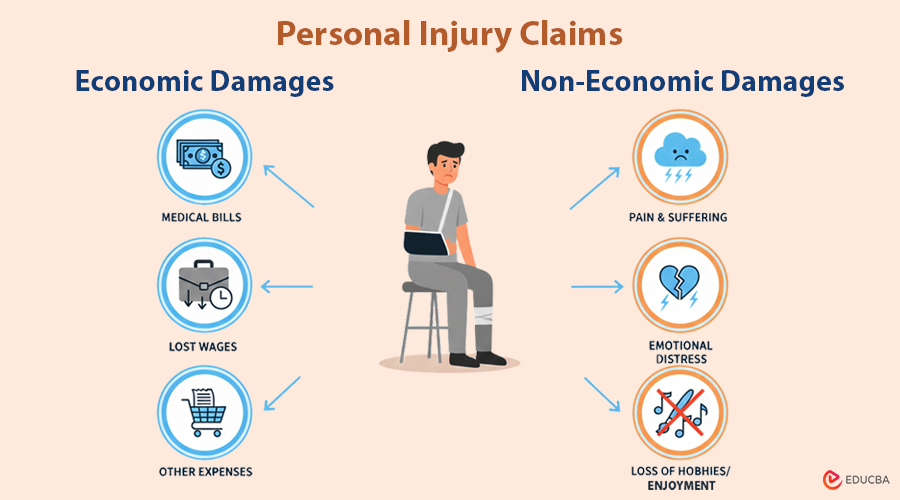
Economic damages are the most straightforward part of an injury claim. You can objectively measure these losses and document them in records. If a bill, receipt, or pay stub is attached to the loss, it usually falls into this category of economic and non-economic damages.
Medical expenses are the most common example. This includes emergency care, hospital stays, doctor visits, physical therapy, medications, and follow-up treatment. It also includes future medical care if your injury requires ongoing treatment or monitoring. Even small costs can add up over time, especially when recovery takes longer than expected.
Lost income is another major component. If your injury forced you to miss work, economic damages account for the wages you did not earn. In more serious cases, this can extend to reduced earning capacity if your injury limits the type of work you can do in the future. Experts typically calculate these losses using employment records, tax returns, and other relevant documentation.
Economic damages may include property damage, out-of-pocket expenses, and costs for necessary accommodations. You can calculate these losses using concrete evidence rather than personal interpretation.
Understanding Non-Economic Damages
While economic damages are essential, they rarely tell the whole story of an injury. Two people can have identical medical bills and time off work, yet experience their injuries in very different ways. One might recover quickly and resume normal life. The other may struggle with ongoing pain, emotional distress, or permanent changes to their appearance or abilities.
That gap is where non-economic damages come in.
Non-economic damages compensate you for the intangible consequences of an injury. These losses do not show up on invoices, but they still have a real impact. They reflect how the injury affected your daily life, your relationships, and your mental well-being.
“Non-economic damages are often more of a challenge to quantify because these losses have influenced your lifestyle and mental state,” Raybin & Weissman, P.C. mentions. “For instance, how much would you consider your pain and suffering to be worth? Other non-economic damages could include loss of enjoyment of life, mental distress, loss of consortium, and scarring or disfigurement.”
This category recognizes that an injury is not just a financial event. It is a personal one. Non-economic damages include ongoing pain, emotional distress, depression, embarrassment, or losing the ability to enjoy activities and hobbies you once liked. Even if you cannot add them up with a calculator, these losses are real.
Unlike medical bills or paychecks, non-economic damages do not come with a clear dollar value. There is no universal formula for assigning a price to pain, emotional suffering, or diminished quality of life. That is why insurance companies often dispute these damages more aggressively.
Insurers may claim pain is subjective or downplay visible and invisible losses, making careful documentation of non-economic damages essential.
How do Economic and Non-Economic Damages Work Together?
It is important to understand that these two categories are not separate silos. They are interconnected. Economic damages often help illustrate the severity of non-economic losses. For example, extended medical treatment may support claims of ongoing pain or emotional distress. Lost earning capacity may reflect the loss of independence or purpose caused by an injury.
Together, economic and non-economic damages create a fuller picture of what the injury actually costs you. Focusing only on one category almost always undervalues the claim.
Knowing the distinction between economic and non-economic damages helps you avoid settling a claim based solely on visible expenses. It encourages you to consider how the injury changed your life, not just what it cost on paper.
This understanding also helps you ask better questions. You will notice more easily when an offer does not cover long-term pain, emotional distress, or loss of enjoyment in life. That awareness can prevent decisions you later regret.
Final Thoughts
An injury affects almost everything about your life, including your physical health, mental health, work life, finances, and future. That is why both economic and non-economic damages exist.
Understanding how these two sides of the same coin work together helps you evaluate your situation realistically and advocate for compensation that reflects what you deserve.
Recommended Articles
Explore more personal injury resources on economic and non-economic damages, settlement strategies, and claim preparation. These guides simplify complex injury claims and help you pursue fair compensation effectively.

