


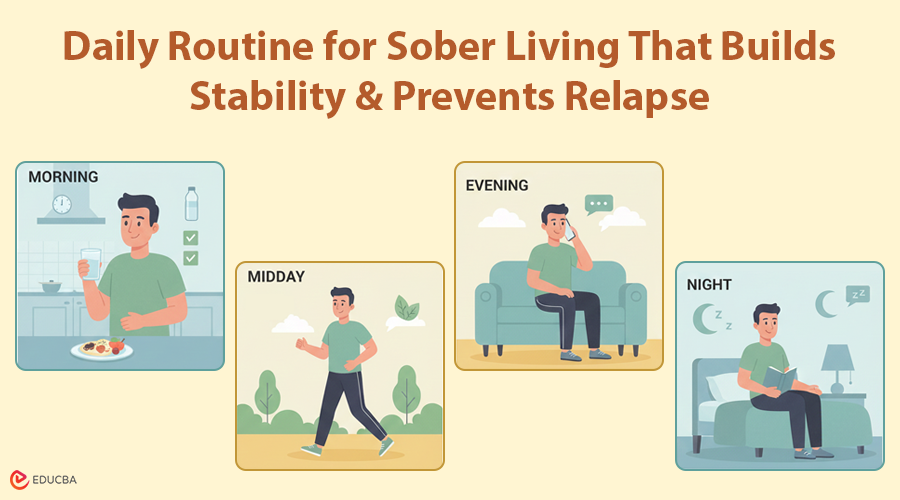
Introduction to Daily Routine for Sober Living
A daily routine for sober living becomes far more effective when it is consistent, realistic, and supportive of both mental and emotional health. Routine reduces decision fatigue, lowers stress, and helps recovery skills become automatic. For many people in recovery, structure is the difference between feeling stable and feeling constantly vulnerable.
This matters to everyone, but it is especially relevant for many men in sober living environments. Some men learn to push through discomfort, avoid vulnerability, and handle stress independently. These patterns can increase relapse risk by encouraging isolation and ignoring early warning signs. A daily routine for sober living that includes connection, accountability, and emotional maintenance makes long-term recovery more sustainable.
This is not about stereotypes. Many men already do recovery well, and many women and nonbinary people relate to these challenges, too. The point is simple: routine works, and it works even better when it includes both structure and support.
Why Routine Is A Relapse Prevention Tool?
Early recovery often involves mood swings, cravings, sleep disruption, and stress sensitivity. When life feels chaotic, relapse risk rises. A daily routine helps by:
- Creating predictable anchors in the day
- Reducing boredom and unstructured time
- Supporting sleep and nervous system stability
- Building a consistent connection and accountability
- Making healthy choices easier to repeat.
A daily routine for sober living is not about rigidity or perfection. It is about stability and consistency.
The Core Daily Routine for Sober Living Success
You do not need an elaborate schedule. You need a few non-negotiables that support recovery every day. An effective daily routine for sober living focuses on mornings, midday stress management, evenings, and sleep.
Morning Routine: Start With Stability
- Wake up at a consistent time: A regular wake time helps regulate sleep and mood. Even if sleep is imperfect, waking at the same time helps build a rhythm.
- Hydrate and eat something early: Low blood sugar and dehydration can increase irritability and cravings. Aim for water and a simple breakfast, especially one rich in protein.
- A five-minute check-in: Before the day gets busy, do a quick internal scan:
- How is my mood today?
- What might trigger me today?
- What support do I need?
- What is one healthy action I will take?
This builds self-awareness and helps you catch problems early in your daily routine for sober living.
Midday Routine: Manage Stress Before It Builds
- Take a real break: Many people in recovery relapse when stress stacks up. A short break without screens, even ten minutes, can reset the nervous system.
- Move your body: You do not need a long workout. A walk, stretching, or light strength work improves mood and reduces restlessness.
- Eat regularly: Skipping meals can create emotional volatility and impulsive cravings. A consistent lunch-and-snack plan supports stability.
Evening Routine: Replace The High-Risk Window
Evenings are a common relapse risk time, especially after work or long periods of being alone. A strong daily routine for sober living replaces old habits with healthy transitions.
- Use a consistent “work is over” ritual: Examples include a shower, a walk, changing clothes, or a brief workout. This signals the brain to shift gears.
- Plan dinner and downtime on purpose: Unstructured evenings can lead to boredom and craving spirals. Make a simple plan:
- Dinner
- One recovery activity
- One relaxing activity
- Bedtime routine.
The plan can be flexible, but it should exist.
- Connection before isolation: For many men, isolation is a major relapse driver. A daily connection habit is one of the most protective elements of a daily routine for sober living, such as:
- A support meeting
- A call or text check-in with a sober friend
- A therapy session or group
- A family connection that is healthy and supportive.
You do not have to talk about feelings for an hour. Even a short check-in creates accountability and reduces loneliness.
Night Routine: Protect Sleep And Reduce Cravings
Sleep is a recovery tool. Poor sleep increases anxiety and cravings.
- Create a wind-down routine: Aim for 20 to 40 minutes that signals bedtime. Options include reading, stretching, breathing exercises, or a calm podcast.
- Reduce late-night stimulation: Limit high-stress content and endless scrolling before bed. It often increases restlessness and rumination.
- Have a plan for night cravings: If cravings show up at night, try a simple sequence:
- Get out of bed for a few minutes
- Drink water
- Use a grounding technique
- Text a support person if needed
- Remind yourself that the urge will peak and pass.
Having a plan prevents impulsive decisions and strengthens your daily routine for sober living.
Weekly Habits That Support Your Daily Routine for Sober Living
Daily routines are easier to maintain with weekly anchors.
- A weekly recovery plan: Pick a consistent schedule for meetings, therapy, or groups. Add them to the calendar as appointments.
- A weekly life maintenance block: Set aside time for laundry, cleaning, grocery shopping, and meal planning. Chaos at home increases stress and relapse risk.
- A weekly check-in with yourself: Once a week, ask:
- What worked this week?
- What felt risky?
- What do I need to adjust?
- Whom should I contact?
This turns recovery into a living plan instead of a vague intention.
Common Mistakes That Disrupt a Daily Routine for Sober Living
- Overworking and ignoring warning signs: Many men cope by staying busy. Productivity can look healthy while recovery quietly slips. If you notice irritability, sleep issues, skipping support, or increased isolation, treat it as a cue to increase support.
- Trying to do recovery alone: Independence is valuable, but isolation is dangerous in early recovery. Routine should include connection, not just self-discipline.
- Expecting motivation to carry you: Motivation comes and goes. Routine carries you when motivation drops.
Learn More About Sober Living
A daily routine for sober living is most effective when it supports sleep, nutrition, stress management, structure, and connection. For many men, routines that include accountability and regular contact with supportive people are especially protective, as isolation and pressure to handle everything alone can increase relapse risk.
The most effective daily routine for sober living is not perfect; it is repeatable, realistic, and designed to work on both good days and hard ones.
If you or someone you love is looking for sober living homes for men, Solutions Recovery is a leading source for addiction and mental health information and treatment.
Recommended Articles
Explore more resources on sober living, recovery routines, and relapse prevention strategies. These guides simplify recovery challenges and help you build lasting sobriety effectively.

