


Credit Card Fees: Overview
Credit cards are convenient financial tools that help manage daily expenses, build credit, and even earn rewards. However, they often carry credit card fees that can accumulate quickly if not managed carefully. While some charges may seem insignificant, they can accumulate over time, resulting in higher costs and potential penalties. In extreme cases, banks can block your card if you fail to pay outstanding balances or neglect to cover fees.
To avoid these issues, it is essential to be aware of the fees associated with your credit card. Carefully reviewing your card’s terms can help you reduce or avoid certain fees altogether. This not only helps you save money but also ensures your credit card works in your favor. To help you stay on top of your credit card obligations, here are several fees that you can minimize or avoid for added savings.
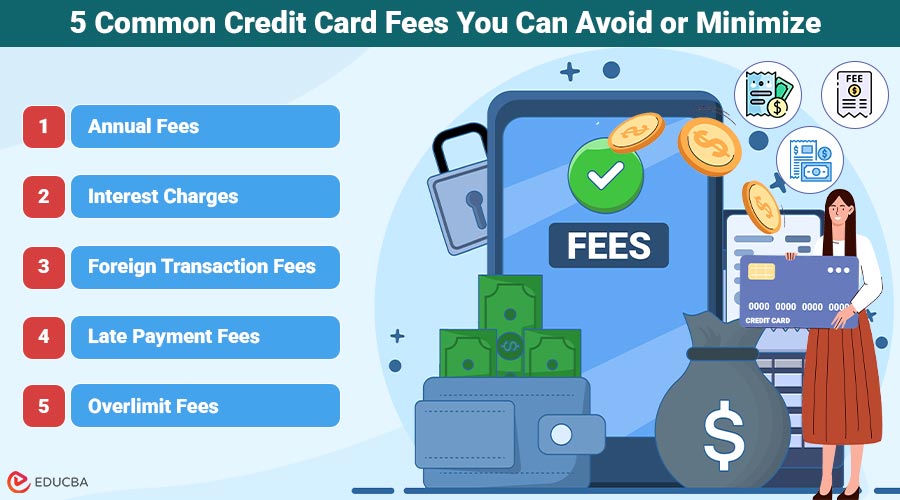
5 Common Credit Card Fees You Can Avoid or Minimize
Here are the five most common credit card fees and simple ways you can avoid or minimize them to save money and manage your finances effectively.
1. Annual Fees
Some credit cards charge an annual fee, essentially a payment for the cardholder to enjoy the perks for the remainder of the year. This can be a financial hassle, especially if you do not use the card enough to justify the cost or if the benefits do not outweigh the fee. Fortunately, you can completely avoid this charge by choosing a card that waives the annual fee from the start.
For example, the Landers Cashback Everywhere Credit Card gives you the option to waive the annual fee. Since you would not have to pay for this Maya credit card annual fee, you can then focus your finances on paying off your purchases instead of worrying about extra costs.
2. Interest Charges
Interest charges apply when you carry a credit card balance from month to month. These charges can add up quickly, making even small purchases more expensive, and can create a snowball effect if left unchecked. To avoid interest, the simplest approach is to pay off your balance in full before the due date each month. This will stop you from incurring interest charges and keep your credit card expenses under control.
Paying your full balance each month allows you to avoid interest while still enjoying credit card benefits, such as rewards and a better credit score. If, for any reason, you are unable to pay the full amount, endeavor to pay more than the monthly minimum so that you can clear the balance much faster.
3. Foreign Transaction Fees
Foreign transaction fees are charges that some credit card providers impose when you make purchases in foreign currencies or use your card while traveling abroad. These fees usually amount to 1%–3% of your purchase. Do not underestimate these fees, as they can easily accumulate, especially if you make multiple international purchases during a trip.
Frequent travelers should consider credit cards that do not charge foreign transaction fees. Many travel-focused cards offer this perk, allowing you to make international purchases without incurring additional charges. With a card that does not charge these fees or offers a lower rate, you can save money on every overseas purchase and make your travels more affordable.
4. Late Payment Fees
If a payment is missed, there may be substantial late fees, which will increase your bill’s needless expenses. Because payment history plays a big role in defining your credit standing, it can also have a negative effect on your credit score. This, in turn, can jeopardize your chances of securing good loans or obtaining additional credit in the future.
That said, as long as you settle your balance on time, you can avoid late payment fees. One way to help ensure this is by knowing your card’s billing cycle and setting a reminder on your phone a few days before the due date. This will help you make timely payments and reduce the risk of late fees. Following these easy steps helps you save money and maintain a strong credit score.
5. Overlimit Fees
Credit card companies charge overlimit fees when you exceed your card’s credit limit. This can occur if you make a large purchase or if a pending charge exceeds your limit. While the fee may seem like a one-time inconvenience, it can still disrupt your budget, especially if you regularly exceed your limit or accumulate multiple fees over time.
Monitoring your spending and staying aware of your credit limit helps prevent over-limit fees. For instance, if you plan to use your credit card for a large purchase, checking your available credit limit beforehand can help ensure you do not exceed it and incur additional fees. Be cautious with installment purchases as well, since they can impact your available credit and potentially push you over your limit if you do not monitor them closely.
Final Thoughts
Being mindful of credit card fees can make a big difference in how you manage your finances. Simple habits such as avoiding annual fees, paying on time, and selecting the right travel card can add up to significant savings over time. Every peso saved helps build better financial stability. The next time you use your card, be aware of these common credit card fees and take simple steps to avoid or minimize them. This way, you can enjoy the convenience of your credit card without paying more than you should.
Recommended Articles
We hope this guide on credit card fees helps you manage your finances smarter. Check out these recommended articles for more tips and strategies to reduce unnecessary charges and make the most of your credit cards.


