


What is the Creator Economy?
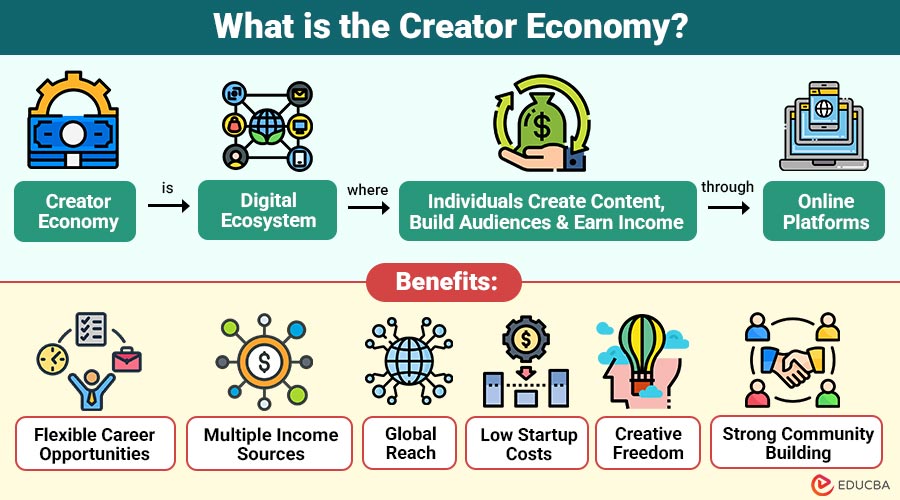
The creator economy is digital ecosystem where individuals create content, build audiences, and earn income through online platforms. Instead of relying on traditional employers or media companies, creators monetize their skills, knowledge, creativity, or influence using social media, blogs, videos, podcasts, newsletters, online courses, memberships, and digital products.
In simple words, the creator economy allows people to turn their passion, expertise, or talent into a sustainable business by connecting directly with their audience through digital platforms.
Table of Contents:
Key Takeaways:
- The creator economy enables individuals to successfully monetize their skills, creativity, and expertise across diverse digital platforms.
- Sustainable creator businesses grow by building engaged audiences, fostering trust, and diversifying revenue streams.
- Success requires consistent content creation, audience engagement, continuous learning, adaptability, and strong personal branding across platforms.
- Despite competition and platform risks, innovation and authentic connections create long-term growth opportunities for dedicated creators.
Why is the Creator Economy Important?
The creator economy has transformed how people work, learn, entertain, and shop online. It has reduced barriers to entrepreneurship by allowing anyone with internet access and valuable content to build an audience.
Its importance includes the following:
1. Creates New Career Opportunities
The creator economy enables individuals to earn income through content creation, freelancing, and digital entrepreneurship across industries.
2. Encourages Entrepreneurship
It empowers creators to build independent businesses, monetize skills, and launch innovative products with minimal startup costs.
3. Supports Independent Creators
The creator economy provides tools and platforms that help independent creators generate sustainable income without traditional employers.
4. Enables Direct Audience Engagement
Creators interact directly with audiences, consistently building trust, loyalty, meaningful relationships, and valuable community-driven feedback.
5. Promotes Niche Communities
It helps creators connect with specialized audiences, fostering engaged communities around shared interests, passions, and expertise worldwide.
6. Increases Digital Innovation
The creator economy drives innovation by encouraging new content formats, technologies, business models, and creative digital experiences.
7. Helps Brands Reach Targeted Audiences
Brands collaborate with creators to reach relevant audiences through authentic content, significantly improving engagement and marketing effectiveness.
How Does the Creator Economy Work?
The creator economy follows a simple cycle in which creators produce valuable content, attract followers, and generate revenue through various monetization methods.
Step 1: Create Valuable Content
Creators produce content such as:
- Videos
- Blogs
- Podcasts
- Short-form content
- Tutorials
- Online courses
- Photography
- Digital art
- Newsletters
Step 2: Build an Audience
Content is published on digital platforms where followers subscribe, like, comment, and share.
Audience growth depends on:
- Content quality
- Consistency
- Engagement
- Search engine optimization (SEO)
- Social media algorithms
Step 3: Build Trust
As audiences interact regularly with creators, trust develops. Loyal fans are more inclined to make purchases, sign up for memberships, or tell others about creators.
Step 4: Monetize Content
Creators earn money using several methods:
- Advertising revenue
- Brand sponsorships
- Affiliate marketing
- Membership programs
- Paid newsletters
- Online courses
- Merchandise
- Digital downloads
- Consulting
- Live streaming donations
Step 5: Reinvest and Grow
Successful creators invest earnings into:
- Better equipment
- Professional editing
- Marketing
- Team members
- Product development
- Business expansion
This creates a sustainable growth cycle.
Key Components of the Creator Economy
Here are key components of the creator economy that drive content creation, audience growth, and monetization.
1. Content Creators
Individuals who produce valuable digital content that attracts audiences, builds communities, and generates income through various platforms.
2. Digital Platforms
Online platforms enable creators to publish content, reach audiences, grow communities, and monetize their creative work effectively.
3. Audience
A loyal audience engages with content, shares recommendations, provides feedback, and supports creators through multiple monetization channels.
4. Monetization Methods
Creators earn revenue through diverse income streams, ensuring financial sustainability and enabling the successful expansion of their digital businesses.
5. Creator Tools
Specialized tools help creators produce content, automate workflows, analyze performance, manage audiences, and streamline business operations efficiently.
Revenue Streams in the Creator Economy
Creators rarely depend on one income source. Most diversify revenue to reduce financial risk.
| Revenue Source | Description |
| Advertising | Earn income from platform ads |
| Brand Sponsorships | Promote products for companies |
| Affiliate Marketing | Receive commissions on product sales |
| Merchandise | Sell branded products |
| Digital Products | Sell templates, eBooks, presets, or designs |
| Online Courses | Teach specialized skills |
| Memberships | Offer exclusive content through subscriptions |
| Consulting | Provide professional advice |
| Live Donations | Receive support during livestreams |
| Licensing | License content for commercial use |
Benefits of the Creator Economy
The creator economy offers numerous benefits that empower individuals to build sustainable businesses, reach global audiences, and monetize their creativity effectively.
1. Flexible Career Opportunities
The creator economy allows individuals to work independently, choose preferred projects, and successfully build careers around their personal interests.
2. Multiple Income Sources
Creators generate income through advertisements, sponsorships, memberships, products, and affiliate marketing, effectively improving long-term financial stability.
3. Global Reach
Digital platforms enable creators to connect with worldwide audiences, expanding visibility, influence, and business opportunities across international markets.
4. Low Startup Costs
Many creator businesses start with basic equipment, affordable tools, and free platforms, significantly reducing initial financial investment.
5. Creative Freedom
Creators maintain full control over content, publishing schedules, branding, and business decisions while expressing unique ideas independently.
6. Strong Community Building
Direct audience engagement helps creators build loyal communities, strengthen relationships, encourage trust, and consistently increase long-term audience retention.
Challenges of the Creator Economy
Despite its advantages, creators face several challenges that can affect growth, income, and long-term business sustainability.
1. High Competition
Millions of creators compete for limited audience attention, making it increasingly difficult to achieve consistent growth, visibility, and differentiation across digital platforms.
2. Platform Dependency
Algorithm changes, policy updates, or account restrictions can significantly reduce content visibility, audience reach, and overall creator income.
3. Income Uncertainty
Creator earnings may fluctuate due to changing audience engagement, sponsorship opportunities, advertising rates, and platform monetization policies regularly.
4. Content Burnout
Producing engaging content consistently can lead to mental fatigue, creative exhaustion, stress, and reduced productivity over extended periods.
5. Copyright Issues
Using copyrighted music, videos, or images without permission may result in legal disputes, content removal, and revenue losses.
6. Audience Retention
Keeping followers engaged requires continuous innovation, valuable content, regular interaction, and consistent adaptation to evolving audience preferences.
Applications of the Creator Economy
The creator economy spans multiple industries, enabling individuals to monetize their expertise, creativity, and influence in diverse ways. Here are some of its key applications:
1. Education
Educators create online courses, tutorials, coaching programs, and other educational content to teach skills and effectively reach global learners.
2. Entertainment
Musicians, gamers, comedians, filmmakers, and performers monetize creative content through fans, subscriptions, sponsorships, and digital streaming platforms.
3. Marketing
Brands collaborate with creators to promote products, increase brand awareness, build trust, and engage targeted audiences authentically online.
4. Finance
Financial creators educate audiences about investing, budgeting, taxation, saving, and personal finance through accessible digital content and resources.
5. Health and Fitness
Fitness professionals offer workout plans, nutrition guidance, wellness coaching, and online programs to improve audience health and lifestyles.
6. Technology
Technology creators publish coding tutorials, software reviews, product demonstrations, technical courses, and educational content for developers and learners.
7. Business
Entrepreneurs share industry expertise, business strategies, consulting services, and digital products while building trusted professional communities online.
Example of Creator Economy
Below is a real-world example that illustrates how the creator economy works in practice.
Consider a fitness coach who regularly posts workout videos on social media.
Over time, the coach builds a loyal audience of fitness enthusiasts. As the audience grows, they begin earning revenue through advertising, brand partnerships with sportswear companies, affiliate commissions from fitness equipment sales, paid workout programs, personalized coaching sessions, and subscription-based memberships. By expanding into multiple income streams, the coach transforms content creation into a successful online business.
Final Thoughts
The creator economy empowers individuals to build sustainable digital careers through content creation, audience engagement, and diversified income streams. Despite challenges, continuous innovation, authentic connections, and evolving monetization tools create significant opportunities, making the creator economy a powerful force driving entrepreneurship and digital business growth worldwide.
Frequently Asked Questions (FAQs)
Q1. Who can participate in the creator economy?
Answer: Anyone with valuable knowledge, skills, creativity, or expertise can become a creator. You do not need to be a celebrity—consistent, high-quality content and audience engagement are often more important than having a large following.
Q2. How long does it take to earn income as a creator?
Answer: The timeline varies depending on content quality, consistency, niche, audience growth, and monetization strategy. Some creators earn within months, while others may take a year or more to build a sustainable income.
Q3. Do creators need expensive equipment to get started?
Answer: No. Many creators begin with a smartphone, basic editing software, and a reliable internet connection. As their audience and earnings grow, they can gradually invest in better equipment and tools.
Recommended Articles
We hope that this EDUCBA information on “Creator Economy” was beneficial to you. You can view EDUCBA’s recommended articles for more information.


