


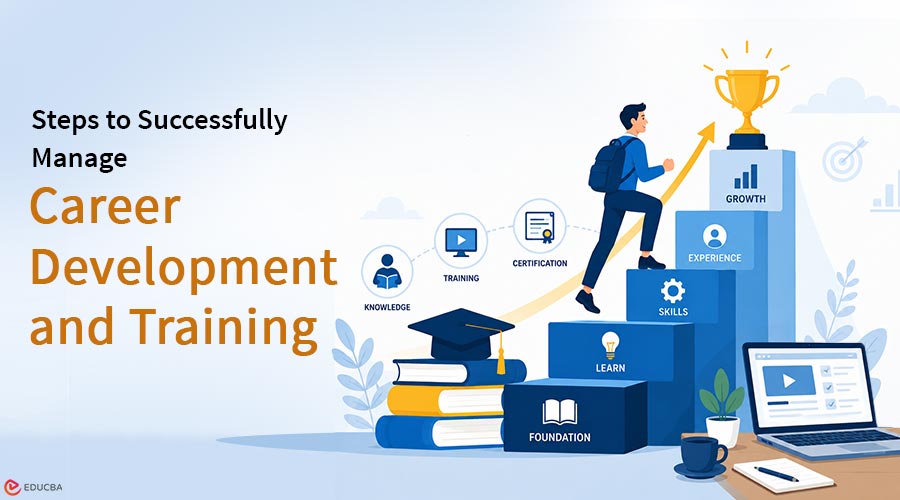
In the fast-changing and competitive job market, career development and training are essential for personal growth and long-term professional success. As industries continue to evolve and technology reshapes the workplace, the abilities and expertise required to remain successful are constantly shifting. Because of this, professionals must take an active role in managing their career progression by continually learning, adapting, and strengthening their capabilities to remain valuable in the job market.
Career development involves establishing professional goals, building new competencies, and gaining experiences that support long-term ambitions. Training, meanwhile, focuses on a structured process of acquiring knowledge and developing practical skills to enhance workplace performance. This article guides both employers and employees on achieving continued career success and growth.
Key Statistics on Career Development and Training
- 76% of employees actively seek opportunities to grow and advance in their careers.
- 86% of workers say they would leave their current role for a position offering stronger growth opportunities.
- Employee retention rates are 34% higher in organizations that prioritize professional development.
- 94% of employees report that they would remain with an employer longer if the employer invests in their career advancement.
- Workers aged 18 to 34 identify career progression and opportunities to learn new skills as major factors in their employment decisions.
Justin Pincar, the Managing Director of a career enhancing platform called Achievable, believes that successful career development and training require a thoughtful and strategic approach that includes self-evaluation, planning, continuous learning, and ongoing improvement. Important areas of focus include monitoring industry changes, pursuing additional education, strengthening technical and interpersonal skills, and building a strong professional network.
In addition, receiving constructive feedback, finding experienced mentors, and taking advantage of employer-supported development opportunities are all essential components of career growth. By implementing these strategies, professionals can better navigate their career journeys, identify opportunities for advancement, and remain adaptable in the constantly evolving modern workforce.
Steps to Successfully Manage Career Development and Training
Here are some practical steps and strategies to help individuals effectively manage career development and training for long-term professional growth and success.
1. Self-Assessment and Career Goal Setting
- Recognize Strengths and Areas for Improvement: Start by evaluating your existing abilities, interests, and talents, and identify areas for improvement. Understanding both your strengths and limitations allows you to make informed decisions about your professional direction.
- Establish Career Objectives: Create short- and long-term goals that align with your personal interests, strengths, and professional aspirations. Clear objectives provide direction and help you stay focused on meaningful progress.
2. Research and Strategic Planning
- Stay Informed About Industry Developments: Track changes, innovations, and emerging trends in your industry. Remaining informed helps you anticipate market demands and prepare for future opportunities.
- Develop a Career Growth Plan: Create a structured plan outlining the actions required to achieve your career objectives. Your plan should include the qualifications, skills, certifications, and experiences required for advancement.
3. Commit to Continuous Learning
- Pursue Additional Education: Consider enrolling in training programs, professional certifications, workshops, or degree courses related to your career path. Expanding your education helps strengthen your expertise and keep your skills current.
- Remain Updated in Your Field: Attend conferences, seminars, webinars, and workshops to stay updated on new practices, technologies, and industry developments.
4. Focus on Skill Enhancement
- Strengthen Technical Competencies: Improve role-specific skills through practical training, online learning, hands-on experience, and specialized development programs.
- Build Essential Soft Skills: Interpersonal skills remain equally important in career advancement. Focus on improving communication, leadership, problem-solving, team collaboration, adaptability, and critical thinking. These skills contribute significantly to professional effectiveness across industries.
5. Expand Your Professional Network
- Develop Meaningful Professional Connections: Build relationships with colleagues, mentors, managers, and professionals within your industry. Networking opportunities can arise through conferences, social media platforms, and industry events.
- Participate in Professional Associations: Joining industry organizations and professional groups can expand your connections, expose you to new opportunities, and keep you engaged with developments in your field.
6. Seek Feedback and Mentorship
- Ask for Constructive Feedback Regularly: Request input from supervisors, peers, and mentors regarding your performance and areas for improvement. Honest feedback helps identify development opportunities and encourages growth.
- Find an Experienced Mentor: A mentor can offer valuable guidance, career advice, and insights drawn from real-world experience. Strong mentorship relationships often accelerate professional development and decision-making.
7. Gain Valuable Experience
- Volunteer for Challenging Assignments: Take the initiative by accepting tasks that require you to step outside of your comfort zone. Difficult assignments help you build confidence, improve your abilities, and develop new competencies.
- Explore Cross-Functional Opportunities: Working across different areas of an organization expands your experience and provides a broader understanding of business operations.
8. Make Use of Company Resources
- Participate in Employer-Sponsored Training: Take full advantage of internal workshops, seminars, leadership programs, and training sessions offered by your employer.
- Utilize Career Development Resources: Many organizations offer career coaching, learning platforms, development plans, and performance management tools. Using these resources can support your long-term growth and professional planning.
9. Reflect and Make Adjustments
- Review Your Goals Frequently: Regularly evaluate your progress and reassess your career objectives. Your priorities and interests may change over time, making it important to update your plans accordingly.
- Remain Adaptable: The workplace is constantly evolving, so maintaining flexibility and openness to new opportunities is essential for long-term success.
10. Maintain a Healthy Work-Life Balance
- Prioritize Personal Well-Being: Maintaining balance between professional responsibilities and personal life is critical for avoiding burnout and sustaining productivity.
- Take Time to Recharge: Schedule regular breaks, time off, and holidays to maintain motivation, mental clarity, and overall well-being.
Final Thoughts
Investing in career development and training is important for long-term professional success. Continuous learning, skill enhancement, networking, mentorship, and adaptability all contribute to stronger career growth and improved job opportunities. Professionals who actively manage their development are better prepared to navigate industry changes, expand their expertise, and remain competitive in the modern workforce.
Likewise, organizations that support employee learning and growth benefit from improved retention, engagement, and productivity. By consistently applying these career development strategies, individuals can build rewarding careers while staying prepared for future opportunities and challenges.
Recommended Articles
We hope this guide to career development and training helps you achieve long-term professional success. Check out these recommended articles for more career growth insights and strategies.


