


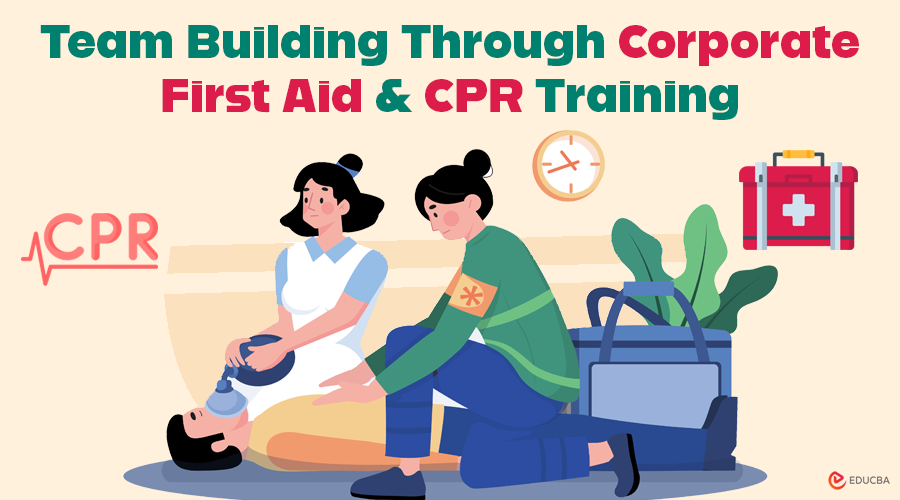
Benefits of Corporate First Aid Training: Overview
When we think of “Corporate Training,” our minds usually jump to advanced Excel courses, conflict resolution workshops, or agile project management. Companies spend billions annually upskilling their workforce in these areas to boost productivity and innovation.
However, there is a fundamental skill gap in many modern organizations. It sits right at the intersection of Crisis Management, Team Building, and Compliance.
That skill is First Aid & CPR.
For years, companies treated First Aid as a compliance box to check, offering a dry, mandatory seminar to a designated few. However, in 2026, forward-thinking HR leaders are realizing the benefits of corporate first aid training. They are treating safety training as a core competency that fosters psychological safety, resilience, and leadership.
Benefits of Corporate First Aid Training
Here is why integrating life-saving skills into your corporate curriculum is the smartest investment you can make this quarter:
1. Crisis Management Under Pressure
EDUCBA teaches courses on decision-making and strategic thinking. However, simulating pressure in a boardroom is difficult.
During First Aid training, employees face rapid, high-stakes decisions in real time. When a team member learns how to manage a cardiac arrest scenario or a severe workplace injury, they are not just learning a medical technique; they are learning triage.
They learn to:
- Assess a chaotic situation calmly
- Delegate tasks to bystanders (leadership)
- Execute a protocol despite high stress (resilience).
These are transferable skills. An employee who can keep a cool head during a medical emergency is exactly the kind of person you want leading a high-stakes project.
2. The ROI of “Psychological Safety”
Google’s Project Aristotle found that feeling safe to speak up is the most important factor in successful teams. Employees need to feel that their well-being is valued.
When an organization invests in high-quality corporate first aid training, it sends a powerful, non-verbal message: “We care about you enough to prepare you for the worst.”
This is particularly true in major business hubs. For example, offices in downtown cores face unique challenges, from high-rise evacuations to the density of the workforce. Companies operating in these fast-paced environments often partner with specialized facilities to provide corporate first aid training that addresses specific urban risks. When colleagues train to save each other, they build a subconscious layer of trust that Friday afternoon trust-falls cannot replicate.
3. Reducing the “Absenteeism” Cost
From a purely financial standpoint, safety training protects the bottom line.
Workplace injuries cost the global economy billions of dollars in lost days and higher insurance premiums. However, the cost is not just the injury itself; it is the injury’s severity. If employees do not provide immediate care, a minor incident can escalate into a major leave of absence.
Having a staff that is universally trained (rather than just one designated warden) ensures immediate response time. Quick intervention reduces recovery time, which in turn reduces absenteeism and keeps productivity stable.
4. A Team Building Event People Actually Use
Let us be honest: most employees dread generic team-building exercises.
First Aid workshops are inherently interactive. They require physical cooperation, communication, and vulnerability. Practicing CPR on a mannequin or bandaging a colleague’s “wound” breaks down professional barriers in a hands-on, memorable way.
It turns a group of individuals into a rescue team. The shared experience of learning a life skill creates bonds that translate back into collaborative work.
Final Thoughts
In the corporate world, we obsess over “Hard Skills” (coding, finance) and “Soft Skills” (empathy, communication). First Aid is a rare skill that is both. It is a technical ability that requires profound human empathy.
The benefits of corporate first aid training extend far beyond compliance. They improve crisis management, strengthen team bonds, reduce absenteeism, and cultivate leadership.
If you want a resilient, capable, and connected workforce, look beyond standard seminars. Equip your team with the skills to save lives; it is the ultimate form of corporate leadership.
Recommended Articles
We hope this guide to the benefits of corporate first aid training helps you build a safer, more resilient, and connected workforce. Explore these recommended articles for expert insights, strategies, and best practices in employee safety, team building, and leadership development.

