


What is Brand Affinity?
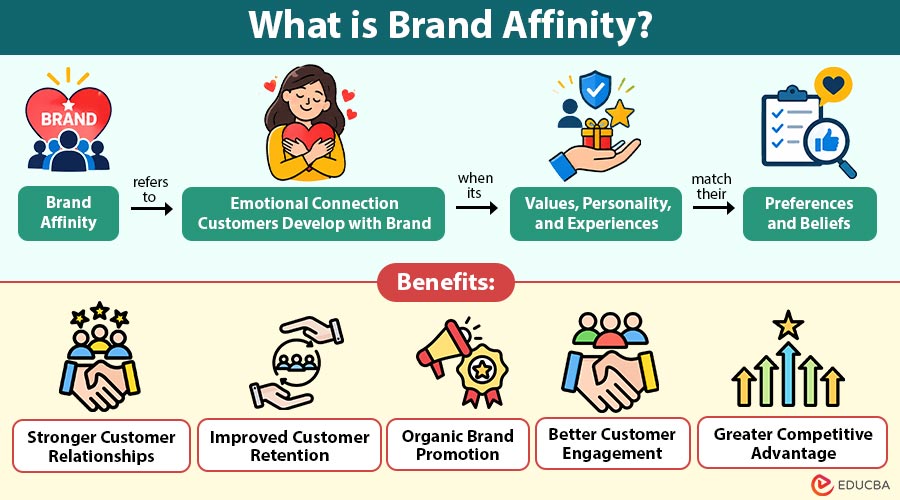
Brand affinity refers to emotional connection customers develop with a brand when its values, personality, and experiences match their preferences and beliefs.
Think about a brand you genuinely like. Maybe you always choose the same coffee shop, even when another one is closer to your home. Perhaps you prefer a particular smartphone brand because you enjoy its design, features, and overall user experience.
But why do you keep choosing that brand?
It might not be because of the price or product quality alone. Sometimes, we develop a personal connection with a brand because we like what it represents and how it treats us. This connection is called brand affinity.
Brand affinity goes beyond simply recognizing a company or purchasing its products. It develops when customers feel that a brand understands their needs, shares their values, or reflects their lifestyle. For businesses, building this connection can turn occasional buyers into loyal customers who genuinely enjoy supporting the brand.
Table of Contents:
- Meaning
- Importance
- Working
- Key Factors
- Real-World Examples
- Difference
- Benefits
- How to Build Brand Affinity?
- How to Measure Brand Affinitiy?
- Challenges
Key Takeaways:
- Brand affinity develops when customers emotionally connect with businesses through shared values and positive experiences.
- Consistent product quality, honest communication, and reliable customer service help businesses build stronger emotional connections.
- Strong brand affinity encourages customer loyalty, repeat purchases, positive recommendations, and meaningful long-term relationships.
- Businesses can measure brand affinity through customer feedback, social media sentiment, engagement, and recommendation patterns.
Why is Brand Affinity Important?
Customers today have many choices. They can compare products, read reviews, and explore different brands within minutes.
With so many options, businesses need more than attractive ads to stand out. Brand affinity helps companies develop meaningful relationships with their customers. Here are some reasons why it matters.
1. Creates Emotional Connections
Customers who feel emotionally connected to brand may develop stronger relationships that extend beyond individual purchases or promotional offers.
2. Encourages Repeat Purchases
When people trust a brand and enjoy their experiences, they are more likely to consider purchasing its products again.
3. Builds Customer Trust
Consistent product quality, honest communication, and positive experiences help customers develop confidence in a company’s products, services, and overall business practices.
4. Supports Word-of-Mouth Marketing
Customers who genuinely appreciate a brand may recommend it to friends, family members, or colleagues without expecting anything in return.
5. Helps Brands Stand Out
Strong emotional connection can make a brand more memorable, especially when competing businesses offer similar products at comparable prices.
How Does Brand Affinity Work?
Brand affinity usually develops gradually through repeated interactions between customers and businesses.
Imagine discovering a small online clothing store.
You initially visit its website because you like a particular shirt. After placing an order, you receive the product on time, and its quality meets your expectations. A few weeks later, you notice that the company supports sustainable packaging and communicates openly about its manufacturing practices. These values matter to you.
You begin following the brand on social media, reading its updates, and exploring new products. Eventually, you start choosing the company not only because you like its clothing but also because you appreciate what it represents. This is how brand affinity can develop. The connection becomes stronger when customers repeatedly experience consistency between a brand’s promises and actions.
Key Factors that Influence Brand Affinity
Several factors determine how customers feel about a particular brand.
1. Shared Values
Customers often develop stronger emotional connections with brands that reflect their personal beliefs, support meaningful causes, and demonstrate values they genuinely appreciate.
2. Product Quality
A meaningful emotional connection is difficult to maintain when products regularly disappoint customers. Reliable quality helps businesses meet expectations and create positive experiences.
3. Customer Experience
Every interaction matters, from browsing a website to contacting customer support. Friendly communication, simple purchasing processes, and helpful service can leave lasting impressions.
4. Brand Personality
Some brands appear friendly and playful, while others communicate through a professional and sophisticated approach. Customers may prefer brands whose personalities match their own preferences.
5. Transparency
Customers appreciate businesses that communicate honestly about product features, pricing, delivery expectations, and limitations. Transparency helps reduce uncertainty and supports long-term trust.
Real-World Examples of Brand Affinity
Brand affinity can be observed across different industries.
1. Apple
Many Apple customers appreciate the company’s product design, user experience, and connected ecosystem. For some customers, these characteristics create a sense of familiarity and preference that extends beyond individual devices.
2. Nike
Nike often connects its brand identity with sports, determination, and personal achievement. Customers who relate to these ideas may develop a stronger emotional connection with the brand.
3. Local Coffee Shops
Brand affinity is not limited to large international companies. A neighborhood coffee shop may develop loyal customers through friendly staff, familiar surroundings, and consistent service. Sometimes, remembering a regular customer’s preferred drink can create a more meaningful experience than an expensive advertising campaign.
Difference Between Brand Affinity and Brand Loyalty
The table below highlights the differences between the two:
| Basis | Brand Affinity | Brand Loyalty |
| Meaning | Emotional connection with a brand | Continued preference or repeat purchasing |
| Main Focus | Shared values and positive feelings | Customer purchasing behavior |
| Driving Factor | Emotional attachment | Satisfaction, convenience, rewards, or preference |
| Measurement | Sentiment, engagement, and recommendations | Repeat purchases and customer retention |
| Example | Loving a brand’s values and personality | Regularly purchasing products from the same brand |
Benefits of Strong Brand Affinity
Building brand affinity can provide several long-term benefits.
1. Stronger Customer Relationships
Positive emotional connections encourage customers to maintain relationships with businesses beyond individual transactions and occasional promotional campaigns.
2. Improved Customer Retention
Customers who appreciate a brand’s values and experiences may be less interested in switching to competing businesses.
3. Organic Brand Promotion
Satisfied customers sometimes share recommendations, reviews, and personal experiences that introduce a brand to potential buyers.
4. Better Customer Engagement
People who feel connected to a brand may interact more frequently with its social media posts, newsletters, and community activities.
5. Greater Competitive Advantage
A meaningful brand connection can help businesses maintain customer preference when competitors introduce similar products or services.
How to Build Brand Affinity?
Building brand affinity requires understanding customer expectations, maintaining consistent experiences, and developing meaningful relationships through honest communication and reliable service.
1. Understand Your Target Audience
Understand customer needs, preferences, interests, and purchasing habits through surveys, feedback, and conversations to provide better products and personalized experiences.
2. Define Your Brand Values
Establish clear brand values such as honesty, reliability, and sustainability, ensuring these principles are reflected in everyday activities and customer interactions.
3. Deliver Consistent Experiences
Maintain consistent product quality, customer service, and communication across every interaction to strengthen customer confidence and encourage lasting brand relationships.
4. Create Meaningful Content
Share useful articles, practical guides, and educational resources that answer customer questions, address their concerns, and encourage regular brand engagement.
5. Communicate Authentically
Communicate honestly, avoid unrealistic promises, acknowledge mistakes, and provide practical solutions to customer concerns while maintaining transparency in business interactions.
6. Engage With Your Community
Respond to customer questions, acknowledge feedback, and participate in relevant discussions to make customers feel valued and strengthen brand relationships.
How to Measure Brand Affinity?
Unlike sales revenue or website traffic, brand affinity cannot be measured through a single number.
However, businesses can evaluate several indicators to understand customer attitudes.
1. Customer Surveys
Ask customers how strongly they relate to the brand’s values, personality, and overall experience.
2. Social Media Sentiment
Examine comments, mentions, and discussions to understand whether customers express positive or negative feelings about the brand.
3. Customer Recommendations
Monitor how frequently customers recommend products or services to others through reviews, referrals, and personal conversations.
4. Brand Engagement
Analyze meaningful interactions, including comments, content sharing, community participation, and responses to brand communications.
5. Net Promoter Score
Measure customers’ willingness to recommend a business, while recognizing that recommendation scores do not directly measure emotional attachment.
Combining these indicators provides a more complete understanding of customer relationships.
Challenges of Building Brand Affinity
Although brand affinity offers valuable benefits, developing it requires consistent effort.
1. Changing Customer Expectations
Customer preferences and priorities can change over time. Businesses must understand these changes without abandoning the values that define their identity.
2. Inconsistent Brand Experiences
Poor service, unclear communication, or disappointing products can damage relationships that took years to develop.
3. Strong Market Competition
Customers encounter advertisements and promotional messages from numerous businesses every day. Creating meaningful connections in such an environment can be challenging.
4. Difficulty Measuring Emotions
Emotional relationships are more complicated than purchasing behavior. Businesses often need multiple research methods to understand how customers genuinely perceive their brand.
Final Thoughts
Brand affinity builds meaningful relationships beyond simple transactions. Customers connect with brands they trust, value, and consistently enjoy. Through honest communication, reliable products, and positive experiences, businesses can strengthen emotional connections. Over time, these relationships encourage customer loyalty and create lasting value beyond temporary discounts and promotional offers.
Frequently Asked Questions (FAQs)
Q1. How long does it take to develop brand affinity?
Answer: There is no fixed timeline. Some customers develop positive feelings after a few interactions, while others need several months of consistent experiences before forming stronger connections.
Q2. Does brand affinity influence customers’ purchasing decisions?
Answer: Yes. Customers who feel connected to a particular brand may consider it first when purchasing products. However, pricing, availability, and individual requirements can still influence their decisions.
Q3. Can negative publicity affect brand affinity?
Answer: Yes. Negative publicity can change how customers perceive a business, particularly when an incident conflicts with its stated principles. The company’s response often influences whether customers maintain their connection.
Q4. Does brand affinity guarantee higher sales?
Answer: No. Positive customer feelings do not automatically translate into purchases. Product availability, affordability, market conditions, and changing needs also influence whether customers decide to buy.
Recommended Articles
We hope that this EDUCBA information on “Brand Affinity” was beneficial to you. You can view EDUCBA’s recommended articles for more information –

