
What is Neurobranding?
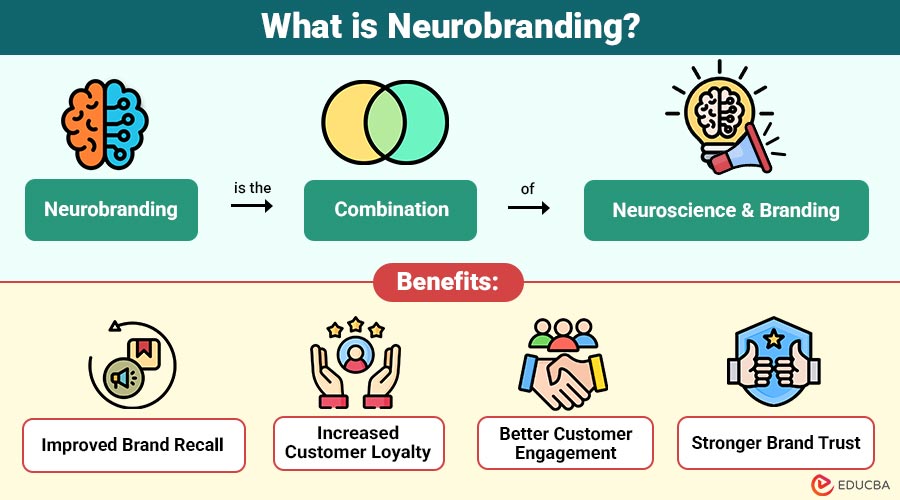
Neurobranding is the combination of neuroscience and branding. It focuses on understanding how the human brain processes and responds to branding elements.
Traditional branding often relies on customer surveys and feedback. Neurobranding goes a step further by examining the emotional and subconscious factors that influence consumer decisions.
The main idea behind neurobranding is that people do not always make purchasing decisions based purely on logic. Emotions play a major role in how consumers perceive brands and choose products.
Table of Contents:
- Meaning
- Importance
- The Science Behind Neurobranding
- Key Elements
- How Does Neurobranding Influence Consumer Decisions?
- Techniques
- Benefits
- Challenges
- Examples
Key Takeaways:
- Neurobranding combines neuroscience and branding to better understand emotional consumer behavior.
- Emotional connections strongly influence purchasing decisions, brand perception, and customer loyalty.
- Consistent storytelling and visual identity improve brand recognition and customer trust.
- Neurobranding helps businesses create memorable experiences that drive long-term engagement.
Why is Neurobranding Important?
Consumers are exposed to countless advertisements and brand messages every day. To stand out, brands need to create memorable experiences.
Neurobranding helps businesses:
1. Understand Customer Behavior
Neurobranding reveals how consumers think, feel, and make decisions, helping brands tailor experiences effectively.
2. Build Stronger Emotional Connections
Emotional branding creates meaningful relationships with customers, encouraging deeper engagement and long-term affinity.
3. Improve Brand Recognition
Consistent sensory and visual elements help consumers quickly identify and remember brands.
4. Increase Customer Trust
Trust-building branding strategies influence positive perceptions, making customers feel confident about purchases.
5. Enhance Customer Loyalty
Strong emotional associations encourage repeat purchases, customer retention, and lasting brand commitment.
6. Create More Effective Marketing Campaigns
Brain-based insights help marketers design campaigns that capture attention and drive desired actions.
The Science Behind Neurobranding
The human brain processes information through both conscious and subconscious mechanisms. While consumers may believe they make rational decisions, neuroscience reveals that emotions often drive behavior.
Several key areas of the brain play a role in neurobranding:
1. The Limbic System
The limbic system is in charge of motivation, memory, and emotions. Emotional branding works especially well since strong emotional experiences are more likely to be remembered. Stronger consumer relationships are frequently produced by brands that arouse emotions like joy, excitement, security, or belonging.
2. The Amygdala
The amygdala processes emotional reactions and helps determine whether something feels positive or negative. When a brand consistently creates positive emotional experiences, the amygdala can contribute to favorable brand perceptions and loyalty.
3. The Prefrontal Cortex
This area is associated with decision-making, planning, and reasoning. Although emotions often initiate purchasing decisions, the prefrontal cortex helps justify those decisions logically.
4. The Hippocampus
The hippocampus plays a important role in memory formation. Memorable brand experiences, distinctive visual identities, and emotional storytelling can strengthen brand recall through this region of the brain.
Key Elements of Neurobranding
The following elements help brands create stronger emotional connections, improve recognition, and influence consumer behavior effectively.
1. Emotional Connection
Emotions have a big impact on purchasing decisions. Customers are likely to remember companies that make them feel happy, inspired, secure, or excited. Businesses that prioritize emotional storytelling often have stronger relationships with their customers.
2. Visual Identity
Colors, logos, typography, and design all affect how consumers perceive a brand. A strong visual identity helps customers recognize and remember a brand more easily. Consistent visual branding also builds trust and familiarity over time.
3. Storytelling
People naturally connect with stories. A compelling brand story helps customers understand a company’s mission, values, and purpose. Effective storytelling can make a brand more relatable and memorable.
4. Brand Consistency
The brain prefers familiarity. When a brand delivers a consistent experience across websites, social media, advertisements, and customer service, consumers are more likely to trust it. Consistency strengthens brand recognition and customer confidence.
How Does Neurobranding Influence Consumer Decisions?
Neurobranding works because many buying decisions are influenced by subconscious thoughts and emotions.
For example, a customer may choose a familiar brand because it feels trustworthy, even if a competing product offers similar features. Positive experiences and emotional connections often influence decisions more than logical comparisons.
When customers repeatedly interact positively with a brand, they develop stronger emotional associations, which can lead to long-term loyalty.
Neurobranding Techniques Used by Businesses
Businesses use various neurobranding techniques to better understand consumer behavior and create more effective brand experiences.
1. Eye-Tracking Analysis
Eye-tracking measures visual attention, helping businesses optimize designs, advertisements, packaging, and digital experiences.
2. Facial Expression Analysis
Facial analysis identifies emotional reactions, enabling marketers to improve messaging, engagement, and campaign effectiveness.
3. Biometric Measurements
Biometric tools track physiological responses, revealing customer emotions, engagement levels, and stress indicators.
4. Neuromarketing Research
Neuromarketing studies consumer behavior patterns, helping brands develop data-driven, emotionally resonant strategies.
Benefits of Neurobranding
Neurobranding offers several benefits that help businesses strengthen customer relationships and improve marketing effectiveness.
1. Improved Brand Recall
Brands that create memorable experiences are easier for customers to remember. Strong recall increases the likelihood of future purchases.
2. Increased Customer Loyalty
If customers feel a strong emotional bond with a brand, they are more likely to stick with it and continue purchasing its products or services.
3. Better Customer Engagement
Neurobranding helps businesses create content and experiences that capture attention and encourage interaction.
4. Stronger Brand Trust
Trust plays major role in consumer behavior. Consistent messaging and positive customer experiences help build credibility and confidence.
Challenges of Neurobranding
While neurobranding offers significant benefits, organizations should also consider potential challenges.
1. Cost and Complexity
Advanced neuroscience tools require significant investment, specialized expertise, and resources, making implementation challenging for organizations.
2. Ethical Considerations
Businesses must apply consumer insights responsibly, ensuring transparency, trust, and respect for customer autonomy.
3. Interpretation of Data
Brain responses can be complex, requiring careful analysis alongside traditional research for accurate insights.
4. Privacy Concerns
Collecting neurological and behavioral data may raise privacy concerns, requiring strict data protection measures.
5. Limited Accessibility
Smaller businesses may face difficulties adopting neurobranding due to budget constraints and technology limitations.
Examples of Neurobranding in Action
Many successful brands use neurobranding principles without customers even realizing it.
Some common examples include:
- Using specific colors to evoke emotions
- Creating memorable logos
- Developing emotional advertising campaigns
- Maintaining a consistent brand voice
- Delivering exceptional customer experiences
These strategies help create positive associations that influence customer perceptions and decisions.
Final Thoughts
Neurobranding combines neuroscience, psychology, and branding to understand how consumers connect with brands. It helps businesses create emotional experiences, build trust, improve brand recognition, and influence purchasing decisions. Through consistent messaging, storytelling, and customer-focused strategies, neurobranding strengthens relationships and enables brands to stand out in competitive markets.
Frequently Asked Questions (FAQs)
Q1. Why is emotion important in neurobranding?
Answer: Emotions play a major role in decision-making. Consumers often select brands based on how they feel rather than purely logical factors, making emotional connections essential for brand success.
Q2. Does neurobranding increase customer loyalty?
Answer: Yes. Brands that consistently create positive emotional experiences often build stronger relationships with customers, leading to a higher loyalty and repeat purchases.
Q3. Can small businesses benefit from neurobranding?
Answer: Yes. Even without advanced neuroscience tools, small businesses can apply neurobranding principles through emotional storytelling, consistent branding, and customer-focused experiences.
Recommended Articles
We hope that this EDUCBA information on “Neurobranding” was beneficial to you. You can view EDUCBA’s recommended articles for more information.


