


What is Imposter Syndrome?
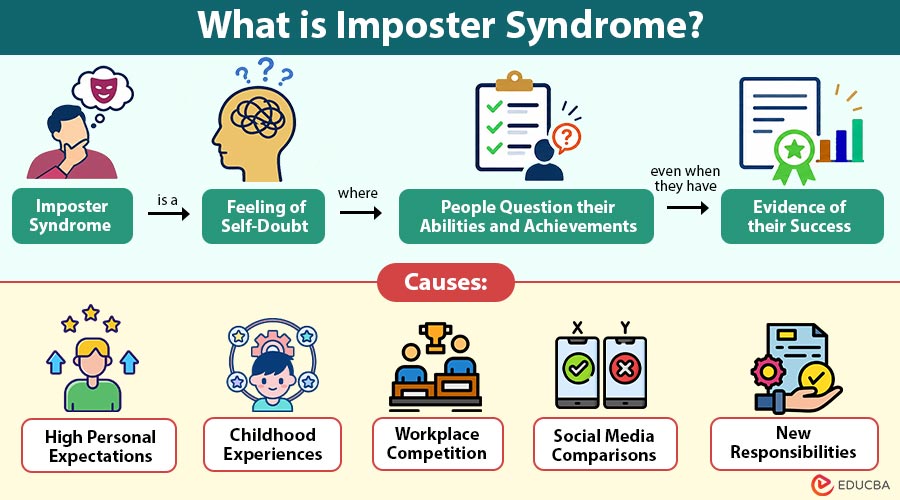
Imposter syndrome is a feeling of self-doubt where people question their abilities and achievements, even when they have evidence of their success.
Imagine getting promoted at work after months of hard work. Your manager appreciates your performance, and your colleagues congratulate you. However, instead of feeling proud, you start wondering whether you truly deserve the promotion.
You might think, “Maybe I was just lucky,” or “What if everyone realizes I’m not as capable as they think?” This feeling is commonly known as imposter syndrome.
People experiencing imposter syndrome often struggle to accept their achievements. They may believe their success happened because of luck, timing, or help from others rather than their own skills and efforts.
Interestingly, these feelings can affect anyone, including students, employees, business owners, and experienced professionals.
Table of Contents:
- Meaning
- Importance
- Signs
- Causes
- Types
- Examples
- How Does Imposter Syndrome Affect People?
- How to Overcome Imposter Syndrome?
- Difference
- When Should You Seek Professional Help?
Key Takeaways:
- Imposter syndrome causes individuals to doubt their abilities and achievements despite clear evidence of success.
- Perfectionism, workplace competition, unrealistic expectations, and constant comparisons can contribute to feelings of inadequacy.
- Recognizing personal achievements, accepting mistakes, and seeking support can help individuals overcome persistent self-doubt.
- Managing imposter syndrome helps individuals build confidence, embrace new opportunities, and appreciate their accomplishments.
Why is Understanding Imposter Syndrome Important?
Everyone doubts themselves occasionally. Feeling nervous before a job interview or questioning your abilities when starting something new is normal. However, constantly believing that you are not good enough can affect your confidence and decisions.
For example, an employee may avoid applying for a senior position because they believe they lack the necessary skills. In reality, they might already have the experience required for the role.
Understanding imposter syndrome helps people recognize these thought patterns before they begin affecting their personal and professional lives. It also encourages individuals to appreciate their progress instead of constantly comparing themselves with others.
Common Signs of Imposter Syndrome
Imposter syndrome looks different for everyone. Some people experience occasional doubts, while others regularly question their achievements.
Here are some common signs.
1. Difficulty Accepting Compliments
When someone appreciates your work, you may feel uncomfortable or believe they are simply being polite. Instead of accepting the compliment, you might say that the task was easy or that anyone could have done it.
2. Fear of Making Mistakes
You may worry that even a small mistake will make others question your abilities. As a result, you spend too much time checking your work or avoid unfamiliar responsibilities.
3. Comparing Yourself with Others
You constantly notice what others are doing better. Even after achieving something important, you may feel that your accomplishments are less valuable than those of your colleagues or friends.
4. Believing Success Comes from Luck
You might attribute your achievements to good timing, helpful colleagues, or favorable circumstances. Although these factors can contribute to success, you may overlook your own preparation and effort.
5. Working Excessively to Prove Yourself
Some people work longer hours because they feel they must continuously demonstrate their abilities. Unfortunately, this can create unnecessary pressure and eventually lead to exhaustion.
What Causes Imposter Syndrome?
No single reason explains why people develop imposter syndrome. Several personal experiences and environmental factors can contribute to these feelings.
1. High Personal Expectations
People who expect perfection from themselves may struggle to accept anything less than excellent results. Even small mistakes can make them question their overall abilities.
2. Childhood Experiences
Growing up in an environment where achievements receive significant attention can influence how people evaluate themselves.
3. Workplace Competition
Competitive workplaces can make employees feel that they must always perform better than others. When everyone seems successful, individuals may begin to question whether they deserve their positions.
4. Social Media Comparisons
Social media often shows people’s achievements, promotions, vacations, and successful moments. Seeing these updates regularly can create the impression that everyone else is progressing faster. However, social media rarely shows the challenges behind those achievements.
5. New Responsibilities
Starting a new job, becoming a manager, or entering a different industry can create uncertainty. People may interpret their lack of experience in a new situation as evidence that they are not capable.
Five Types of Imposter Syndrome
Imposter syndrome is often explained through five common patterns. These categories describe different ways people experience self-doubt.
1. The Perfectionist
Perfectionists set extremely high standards for themselves. Even when they complete a task successfully, they focus on minor mistakes rather than the overall achievement.
2. The Expert
Experts feel they must know everything before considering themselves capable. They may hesitate to ask questions because they believe doing so will expose their lack of knowledge.
3. The Natural Genius
These individuals believe success should come easily. When they struggle to learn something new, they may assume they lack the necessary intelligence or talent.
4. The Soloist
Soloists believe they must complete everything independently. They may avoid seeking assistance because they see asking for help as a sign of weakness.
5. The Superperson
These individuals try to perform exceptionally well in every area of life. They may feel disappointed when they cannot meet unrealistic expectations at work, home, or elsewhere. These five patterns are useful descriptions, not official medical classifications.
Real-Life Examples of Imposter Syndrome
Understanding imposter syndrome becomes easier when we look at everyday situations.
1. A New Employee
Riya joins a software company after successfully completing several interviews. Although she has the required qualifications, she worries that her colleagues will eventually discover she is not talented enough. Whenever she needs help understanding a task, she feels embarrassed.
2. A College Student
Amit receives excellent marks in his examinations. Instead of appreciating his preparation, he believes the questions were easy and that he simply got lucky. He worries about whether he can perform equally well next time.
3. A Business Owner
Neha starts a small business and gradually attracts customers. Despite receiving positive feedback, she questions whether she deserves to call herself a successful entrepreneur. She often compares her progress with larger businesses.
How Does Imposter Syndrome Affect People?
Imposter syndrome can influence both professional decisions and personal well-being. Some common effects include:
1. Reduced Confidence
People experiencing imposter syndrome may doubt their abilities, hesitate to express opinions, avoid responsibilities, and struggle to recognize their own strengths.
2. Increased Stress
Constantly worrying about performance and fearing mistakes can create mental pressure, making everyday tasks feel harder and more emotionally exhausting than necessary.
3. Missed Opportunities
People may avoid applying for promotions, taking on challenging projects, or exploring career opportunities because they believe they lack the required skills or experience.
4. Overworking
People may work longer hours, take on additional responsibilities, and constantly check their performance to prove their abilities and avoid disappointing others.
5. Difficulty Enjoying Success
Even after achieving important goals, individuals may struggle to feel satisfied because they attribute their accomplishments to luck rather than personal effort.
How to Overcome Imposter Syndrome?
Overcoming imposter syndrome does not mean eliminating every negative thought. It means recognizing self-doubt and responding to it more realistically.
1. Recognize Your Achievements
Take time to acknowledge what you have accomplished. Maintain a simple record of completed projects, positive feedback, and skills you have developed. Reading this record can help when you begin questioning your abilities.
2. Stop Comparing Every Achievement
Everyone has different experiences, opportunities, and learning speeds. Instead of comparing your progress with someone else’s, focus on how much you have improved over time.
3. Accept that Mistakes Are Normal
Making mistakes does not mean you are incapable. Even experienced professionals encounter problems and need time to learn new things. Try treating mistakes as opportunities to improve, not proof of failure.
4. Talk About Your Feelings
Discussing your concerns with trusted friends, colleagues, or mentors can provide a different perspective. You may discover that other people have experienced similar doubts.
5. Learn to Accept Compliments
The next time someone appreciates your work, try saying “Thank you” without immediately minimizing your contribution. Recognizing positive feedback can gradually change how you view your achievements.
6. Set Realistic Expectations
You do not need to perform perfectly in every situation. Focus on completing tasks effectively, learning from feedback, and improving where necessary.
7. Ask for Help When Needed
Seeking guidance is a normal part of learning. Whether you are a student, employee, or business owner, asking questions can help you develop new skills.
Difference Between Imposter Syndrome and Low Self-Esteem
The table below highlights the key differences between the two:
| Basis | Imposter Syndrome | Low Self-Esteem |
| Meaning | Doubting achievements and abilities despite evidence of success | Having a generally negative opinion of oneself |
| Main Concern | Fear of being seen as less capable than others believe | Feeling inadequate or unworthy |
| Common Situation | Often appears around achievements or responsibilities | Can affect many areas of everyday life |
| Example | “I don’t deserve this promotion.” | “I’m not good enough.” |
| Possible Impact | Difficulty accepting success | Reduced overall self-confidence |
When Should You Seek Professional Help?
Occasional self-doubt is a common human experience. However, if these feelings regularly affect your sleep, relationships, work, or emotional well-being, speaking with a mental health professional may help.
Therapist or counselor can assist you in comprehending harmful thought patterns and creating more constructive coping mechanisms. Remember that asking for support does not mean you have failed.
Final Thoughts
Imposter syndrome can make capable people question their achievements and underestimate their abilities. Although self-doubt is common, constantly ignoring personal progress can affect confidence and future opportunities. Recognizing achievements, accepting mistakes, avoiding unnecessary comparisons, and seeking support can help manage these feelings. Building confidence takes time, but learning to appreciate your efforts is an important step forward.
Frequently Asked Questions (FAQs)
Q1. Is imposter syndrome a mental health disorder?
Answer: No, imposter syndrome is not officially classified as a mental health disorder. It describes feelings of self-doubt and difficulty believing in personal achievements, even when success is evident.
Q2. Can imposter syndrome affect highly successful people?
Answer: Yes, even highly successful individuals can experience imposter syndrome. Professional achievements, awards, and recognition do not always prevent people from questioning their abilities or feeling undeserving of success.
Q3. Does imposter syndrome affect creativity?
Answer: It can. People who constantly question their abilities may hesitate to share original ideas, experiment with different approaches, or present creative work because they fear criticism.
Q4. Can imposter syndrome influence financial decisions?
Answer: Yes, some individuals may hesitate to negotiate salaries, increase service charges, or request appropriate compensation because they underestimate the value of their knowledge and experience.
Recommended Articles
We hope that this EDUCBA information on “Imposter Syndrome” was beneficial to you. You can view EDUCBA’s recommended articles for more information –

