


What is Brand Salience?
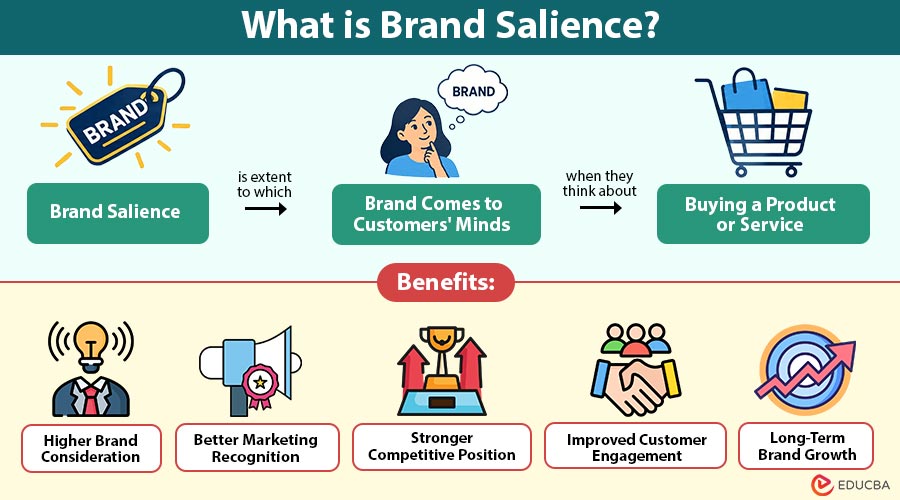
Brand salience is extent to which a brand comes to customers’ minds when they think about buying a product or service.
Have you ever thought about ordering food and immediately remembered a particular food delivery app? Or needed a new smartphone and thought of a familiar brand before exploring other options? This happens because certain brands have a strong presence in our minds.
Customers come across hundreds of brands through advertisements, social media, websites, stores, and everyday conversations. However, they do not remember every brand equally. Some brands are easier to recognize and recall when a buying need arises. This is where brand salience becomes important. It helps businesses understand how easily customers think of their brand in different buying situations.
For example, when someone thinks about sports shoes, Nike or Adidas may quickly come to mind. This is an example of strong brand salience. Brand salience plays an important role in marketing, branding, advertising, and customer buying decisions.
Table of Contents:
- Meaning
- Importance
- Working
- Types
- What Factors Influence Brand Salience?
- Examples
- Benefits
- Challenges
- How to Measure Brand Salience?
- How to Improve Brand Salience?
- Difference
- Applications
Key Takeaways:
- Brand salience measures how easily customers remember or recognize a brand in buying situations.
- Strong brand salience increases the chances of a brand being considered during purchasing decisions.
- Consistent branding, advertising, and customer experiences help improve brand salience.
- Businesses can measure brand salience through surveys, brand recall tests, and recognition studies.
- Brand salience is different from brand awareness because it focuses on whether a brand comes to mind at relevant moments.
Why is Brand Salience Important?
Customers often consider only a few brands before making a purchase. If a brand comes to mind easily, it has a better chance of becoming part of that consideration.
Here are some reasons why brand salience matters.
1. Improves Brand Recall
Brand salience helps customers remember a particular brand more easily when they need products or services, increasing its chances of being considered.
2. Supports Buying Decisions
When customers remember a familiar brand during shopping, they may consider its products before exploring other options available in the same category.
3. Strengthens Market Presence
Strong brand salience helps businesses remain memorable among customers, making their brands easier to recall in competitive markets and different buying situations.
4. Supports Marketing Activities
Brand salience helps marketing campaigns create lasting impressions, allowing customers to recognize familiar brands across advertisements, social media, and other promotional channels.
5. Encourages Customer Consideration
Customers who easily remember a brand are more likely to consider its products when comparing different options before making their final purchase.
How Does Brand Salience Work?
Brand salience develops through the connections customers form between a brand and different needs, situations, and experiences.
The process can be understood through four stages.
Step 1: Brand Exposure
Customers first discover a brand through advertisements, websites, social media, product packaging, or recommendations, which introduce them to its products and services.
Step 2: Memory Formation
Repeated exposure and meaningful interactions help customers remember a brand’s name, logo, colors, products, and other features that make it easily recognizable.
Step 3: Brand Association
Customers begin connecting the brand with specific products, needs, experiences, or occasions, making it easier to remember during relevant situations in everyday life.
Step 4: Brand Recall
When customers need a particular product or service, previous brand associations help them remember familiar brands and consider them during their buying decisions.
Example: A customer repeatedly sees advertisements for a coffee brand. Later, while shopping for coffee, that brand may be among the first they remember.
Types of Brand Salience
Brand salience has two important aspects: depth and breadth. Both explain how easily customers remember a brand in different buying situations.
1. Depth of Brand Salience
Depth of brand salience refers to how easily and quickly customers recognize or remember a particular brand when thinking about its product category.
2. Breadth of Brand Salience
Breadth of brand salience refers to the number of different buying situations, occasions, or needs in which customers remember a particular brand.
Both aspects help businesses understand how easily customers remember their brands and how frequently they come to mind in different buying situations.
What Factors Influence Brand Salience?
Several factors affect how easily customers remember a brand.
1. Brand Identity
A clear brand identity with recognizable logos, colors, names, and designs helps customers identify and remember a business across different marketing platforms.
2. Advertising Frequency
Repeated advertisements help customers become familiar with a brand, making it easier to remember when they need related products or services later.
3. Customer Experience
Positive customer experiences create memorable impressions, helping people associate a brand with reliable products, useful services, and satisfaction during future buying decisions.
4. Brand Consistency
Using the same colors, logos, designs, and messages across different platforms helps customers recognize a brand and remember it more easily over time.
5. Product Relevance
Customers remember brands more easily when their products match specific needs, interests, or situations that influence everyday shopping choices and purchasing decisions.
6. Emotional Connections
Brands that create positive emotions through stories, advertisements, or personal experiences can develop stronger connections that help customers remember them more easily.
Examples of Brand Salience
Brand salience can be observed in different industries.
| Industry | Brand Example | Buying Situation |
| Sportswear | Nike | Buying running shoes |
| Fast Food | McDonald’s | Looking for a quick meal |
| Smartphones | Apple | Considering a premium smartphone |
| Online Shopping | Amazon | Ordering products online |
| Coffee | Starbucks | Meeting someone over coffee |
Benefits of Brand Salience
Strong brand salience can offer several advantages to businesses.
1. Higher Brand Consideration
Strong brand salience increases the chances of customers considering a familiar brand when comparing products or services before making an important buying decision.
2. Better Marketing Recognition
Recognizable branding helps customers connect advertisements, promotional messages, and marketing campaigns with a particular company, improving brand recognition across different communication channels.
3. Stronger Competitive Position
Businesses with memorable brands may gain an advantage over competitors because customers can recall their products more easily during different purchasing situations.
4. Improved Customer Engagement
Customers who recognize and remember a brand may show greater interest in exploring its products, visiting websites, or engaging with marketing content.
5. Long-Term Brand Growth
Consistent brand visibility and positive customer associations can support business growth by keeping the brand memorable across different markets and buying situations.
Challenges of Building Brand Salience
Developing strong brand salience requires consistent effort.
1. High Market Competition
Customers encounter many brands offering similar products, making it difficult for businesses to create memorable identities and stand out from competing companies.
2. Limited Marketing Budget
Small businesses may struggle to maintain regular advertising and promotional activities because reaching customers across multiple marketing channels often requires significant investment.
3. Inconsistent Branding
Frequent changes in brand logos, colors, designs, or messages can confuse customers and make it harder for them to recognize the business consistently.
4. Changing Customer Preferences
Customer interests, needs, and shopping habits change over time, requiring businesses to adjust their marketing messages while maintaining familiar and recognizable identities.
5. Difficulty Measuring Results
Measuring brand salience can be challenging because customer memories and buying associations require research beyond ordinary sales figures and website traffic data.
How to Measure Brand Salience?
Businesses can use different research methods to understand how easily customers remember their brands.
1. Unaided Brand Recall
Businesses ask customers to name brands within a particular product category without providing suggestions, helping identify which brands come to mind naturally.
2. Aided Brand Recognition
Customers are shown brand names, logos, or images and asked which ones they recognize, helping businesses understand their level of brand familiarity.
3. Top-of-Mind Awareness
Businesses identify which brand customers mention first when thinking about a product category, helping measure how quickly a particular brand comes to mind.
4. Buying-Situation Surveys
Businesses ask customers which brands they remember during specific shopping occasions, helping identify situations where their brand has a strong mental presence.
5. Brand Association Research
This method examines how strongly customers connect a brand with particular products, benefits, experiences, or situations that may influence their purchasing decisions.
How to Improve Brand Salience?
The following strategies can help businesses improve brand salience:
1. Maintain Consistent Branding
Businesses should use consistent logos, colors, fonts, and messages across marketing platforms to help customers recognize and remember their brands more easily.
2. Increase Relevant Brand Exposure
Businesses can improve brand visibility through advertisements, social media, search engines, and other marketing channels that reach their intended customer groups effectively.
3. Create Memorable Campaigns
Marketing campaigns with simple messages, engaging visuals, and relatable stories can help customers remember brands and connect them with their specific needs.
4. Focus on Buying Situations
Businesses should identify situations when customers need their products and create relevant marketing messages that help their brands come to mind naturally.
5. Improve Customer Experiences
Providing reliable products, helpful customer support, and consistent service can create positive experiences that encourage customers to remember a brand more easily.
6. Use Distinctive Brand Assets
Unique logos, packaging, slogans, colors, and visual designs help customers recognize a brand quickly and distinguish it from other competing businesses easily.
7. Monitor Brand Performance
Regular customer surveys and brand recognition studies help businesses understand whether their marketing activities are improving brand recall across different buying situations.
Difference Between Brand Salience and Brand Awareness
The table below highlights the differences between the two:
| Basis | Brand Salience | Brand Awareness |
| Meaning | How easily brand comes to mind in buying situations | How familiar customers are with a brand |
| Focus | Memory accessibility and relevance | Brand recognition and recall |
| Main Question | Does the brand come to mind when needed? | Do customers know the brand exists? |
| Measurement | Buying-situation associations and recall tests | Awareness and recognition surveys |
| Example | Remembering Nike when buying running shoes | Knowing that Nike is a sportswear brand |
Applications
Brand salience is useful in several business activities.
1. Advertising
Brand salience helps marketers develop advertisements that create memorable brand associations, making products easier for customers to recall during relevant purchasing situations.
2. Brand Management
Businesses use brand salience to maintain recognizable identities, strengthen customer memory, and ensure consistent brand communication across different marketing and promotional platforms.
3. Product Launches
Brand salience helps businesses introduce new products by connecting them with familiar brand identities and relevant customer needs during marketing and promotion.
4. Market Research
Businesses study brand salience to understand customer memory, identify important buying situations, and evaluate how effectively their brands remain recognizable among consumers.
5. Competitive Analysis
Brand salience helps businesses compare how easily customers remember their brands against competitors, identifying opportunities to improve recognition and market presence further.
Final Thoughts
Brand salience helps businesses understand how easily customers remember their brand when making buying decisions. Strong branding, repeated exposure, and positive customer experiences can improve brand recall across different situations. By building meaningful connections with customer needs, businesses can increase brand consideration and support long-term growth in competitive markets.
Frequently Asked Questions (FAQs)
Q1. Can a small business build strong brand salience?
Answer: Yes. Small businesses can build brand salience by using consistent branding, reaching the right audience, and creating memorable customer experiences.
Q2. Does brand salience directly increase sales?
Answer: Brand salience does not guarantee sales, but it can increase the chances of customers choosing a brand by making it easier to remember.
Q3. How long does it take to build brand salience?
Answer: There is no fixed timeline. It depends on factors such as market competition, advertising efforts, customer exposure, and how effectively people remember the brand.
Q4. How does packaging influence brand salience?
Answer: Distinctive packaging helps customers identify products on store shelves and remember familiar brands during future shopping experiences.
Recommended Articles
We hope that this EDUCBA information on “Brand Salience” was beneficial to you. You can view EDUCBA’s recommended articles for more information.

