


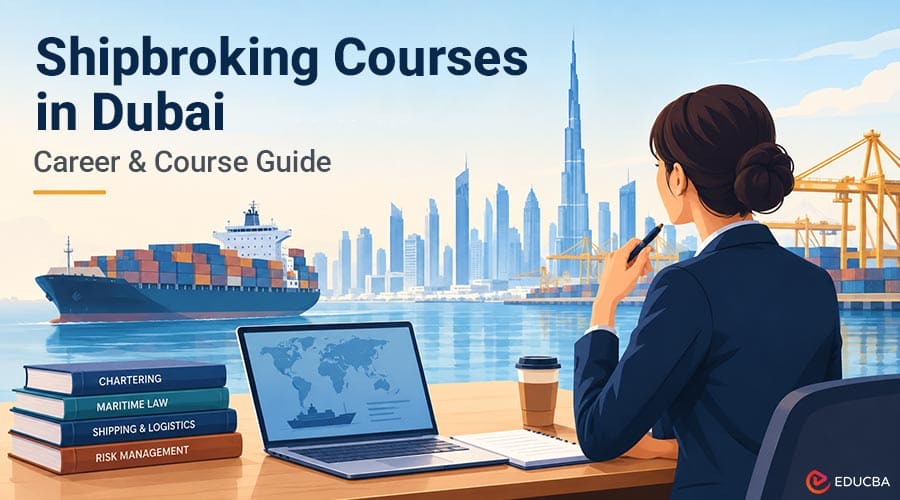
The global maritime industry relies heavily on skilled professionals who can navigate complex commercial, legal, and operational challenges. As a critical hub connecting East and West trade routes, Dubai has become one of the premier destinations for maritime commerce. For professionals looking to advance their careers, Shipbroking Courses in Dubai can provide specialized knowledge of commercial shipping, chartering, logistics, and maritime operations.
Understanding Commercial Maritime Operations
Commercial shipping consists of several interconnected sectors, from vessel management to cargo operations and legal chartering agreements. A strong career in this sector depends on knowledge of global maritime regulations, changing market conditions, and effective negotiation techniques. Professionals who can structure contracts and manage risks effectively are in high demand across the industry.
A fundamental aspect of commercial maritime operations involves negotiation between shipowners and charterers. Building expertise in shipbroking gives professionals the tools needed to facilitate successful chartering agreements, evaluate market trends, and secure favorable terms for cargo transport. This knowledge allows individuals to act as key intermediaries in global trade, ensuring smooth transactions and efficient fleet utilization.
Why Choose Shipbroking Courses in Dubai?
Dubai’s strategic geographic location makes it an ideal setting for professional development in logistics and maritime management. Home to major port facilities, international maritime centers, and global logistics companies, the city provides an ideal environment to learn from real-world case studies and active market participants.
Enrolling in comprehensive shipping courses in Dubai offers professionals direct insights into regional and international commercial practices. For those specifically interested in shipbroking, Shipbroking Courses in Dubai can provide focused training in areas such as chartering, vessel operations, maritime contracts, and commercial negotiations. These programs cover crucial topics including vessel operations, port logistics, marine insurance, and legal frameworks, helping students develop practical skills that apply directly to current industry challenges.
Key Focus Areas for Career Growth
To build a well-rounded career in maritime business, professionals should focus on mastering several core areas:
1. Chartering Strategies and Contract Management
Understanding the difference between time, voyage, and bareboat charters is essential. Training helps professionals draft charterparties, manage laytime calculations, and navigate dispute resolution effectively. These skills are central to shipbroking because brokers often connect shipowners and charterers while supporting negotiations and contractual arrangements.
2. Risk Assessment and Maritime Insurance
Maritime operations involve inherent risks. Understanding marine insurance policies, liability coverage, and claims handling helps mitigate commercial risks. Professionals pursuing Shipbroking Courses in Dubai can benefit from understanding these areas because commercial shipping decisions often involve financial, contractual, and operational risks.
3. Port and Fleet Operations
Efficient management of port calls and vessel schedules directly impacts overall profitability. Therefore, understanding how terminal management and vessel logistics interact enables managers to streamline operations and reduce unnecessary costs. In addition, a strong understanding of these processes helps shipbrokers evaluate vessel availability, cargo requirements, and operational considerations during commercial transactions.
4. Market Analysis and Economic Forecasting
Maritime markets are cyclical and influenced by global economic conditions. Strong analytical skills help managers anticipate rate shifts and adjust commercial strategies accordingly. Shipbroking professionals can use market knowledge to assess freight rates, understand supply and demand patterns, and support informed chartering decisions.
Advancing Your Maritime Career
Continuous learning is vital for long-term career growth in the fast-evolving shipping sector. Whether you are aiming to enter the industry or move into a senior management position, formal training provides the structured knowledge needed to make informed decisions.
For professionals interested in commercial shipping, Shipbroking Courses in Dubai can build practical knowledge in chartering, maritime contracts, market analysis, vessel operations, and risk management. Combining these skills with an understanding of Dubai’s maritime ecosystem can help learners prepare for a range of roles within the shipping and logistics industry.
By combining practical industry concepts with localized market insights, specialized maritime education prepares professionals to take on strategic roles, manage complex operations, and drive growth for their organizations in an increasingly competitive global marketplace.
Final Thoughts
Dubai offers a strong environment for professionals entering commercial shipping and maritime logistics. It also provides opportunities to build expertise in shipbroking. Shipbroking Courses in Dubai can develop practical skills in chartering and contract management. They also cover market analysis, vessel operations, and risk assessment.
The maritime industry continues to evolve as market demands change. Professionals need both specialized training and practical industry knowledge. These skills can help them understand commercial challenges and make informed decisions. Choosing training that matches your career goals can also support professional growth. It can prepare you for opportunities across the international shipping and logistics sector.
Recommended Articles
We hope this guide helps you understand the importance of Shipbroking Courses in Dubai and how specialized maritime education can support your career in shipping and logistics. Explore our recommended articles for more insights on maritime operations, shipping management, logistics, commercial shipping, and professional development.

