


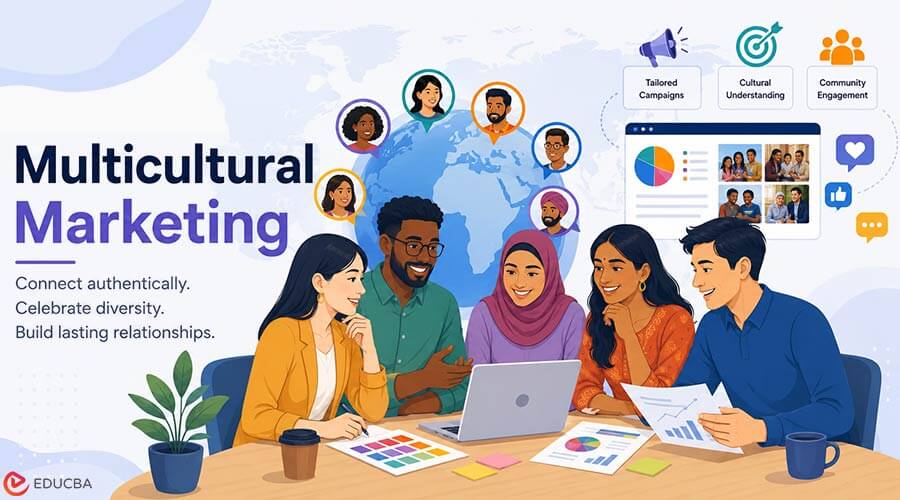
The modern commercial landscape is becoming increasingly diverse, and marketers across industries are moving away from one-size-fits-all strategies that only target the mainstream. Internet users span a wide range of demographics, and businesses and marketers need to understand what makes each group unique. This article walks through how your brand can approach multicultural marketing and help your content connect in genuine, authentic ways.
What is Multicultural Marketing?
Multicultural marketing is the practice of tailoring brand content to connect with specific demographics. This involves highlighting language, symbols, and customs to build connections with different customer groups. Multicultural marketing is a great way to show that your brand values diversity and inclusion and to keep it in the conversation during important cultural events.
Why is Multicultural Marketing Important?
As marketing philosophy has evolved, tailoring campaigns to specific demographics has become more prominent. The internet has allowed cultural audiences to connect with one another on a large scale, strengthening their commercial values and identities. These audience clusters represent potent individual opportunities for connection and brand visibility.
This means, however, that a marketing strategy based around a single, universal audience is no longer as effective as it once was. Consumers know what they want and can choose from a much wider variety of options to find the brand that fits them best. When your brand’s messaging addresses the needs of multiple cultural groups in adaptable ways, it increases overall reach. Your brand cultivates a reputation for cultural respect, which drives real engagement.
What Works in Multicultural Marketing?
1. Passion and Positivity
Ultimately, multicultural marketing is about helping a demographic see that your brand appreciates them as people and as customers. Campaigns that celebrate diversity and cultural identity make customers feel seen, showing that your brand both respects and reflects their preferences and values.
2. Going Beyond Language
Using the language of your target demographic is a primary tactic of multicultural marketing, but simply translating content would not drive authentic engagement. Language is a medium of communication between your brand and a cultural group, but it can not be the communication itself. Understanding your audience’s identity and using their language to show that understanding is the best way to convey care and awareness.
3. Real-World Follow-Through
Value-driven community engagement can be a powerful tool for building relationships with a target demographic. Customers respond well to real-world initiatives that make a difference in their community, and running them clearly reinforces brand values through action.
Tactics for Cultural Connection
1. Start with Audience and Brand Strengths
Before designing a multicultural marketing campaign, analyze the demographic you want to engage and your existing relationships with that group. Start with a clear target audience and understand where your brand sits in that audience’s perception to build a strong campaign. No matter the industry, a strong marketing foundation helps your team keep messaging consistent and aligned with core goals.
2. Form an Inclusive Marketing Team
After deciding where you want your campaign to resonate, creating a culturally diverse marketing team is key to success. Staffing team leadership with members of your target audience is a great way to create authenticity. This lived experience can help guide your content and keep it relevant to your audience, preventing your message from appearing inauthentic.
It is also important to include other demographics. When your team members represent more diverse viewpoints, they can bring a wider range of approaches to nuanced issues, enabling more agile, rapid iteration based on a broader range of cultural experiences.
3. Focus on Reliable Data
The best complement for a multicultural design team is in-depth, well-rounded cultural research. Actionable metrics from trusted sources keep your messaging anchored in your audience’s reality. These reports cover the numerical aspects of a demographic’s day-to-day life, such as what they consume, where they shop, or what they spend on competing products.
However, while they help guide effective deployment, these metrics are not a substitute for a deeper understanding of a demographic. Supplementing statistics with focus groups with customers in the relevant group will help develop both a rational- and narrative-based understanding of their experiences and values.
4. Planning for Placement
Meeting your audience where they are is a strong way to win engagement and attention. Identifying where your audience is interacting with media shows the strongest avenues to deploy your campaign. When your brand engages a demographic on their own terms, it shows care, attentiveness, and awareness of their lived experiences, helping build a genuine connection and loyalty.
Mistakes to Avoid in Multicultural Marketing
1. Avoiding Difficult Subjects
In today’s climate, marketing around cultural identity will naturally bring your brand into high-stakes conversations. Though it can be tempting to reduce risk by cutting back on cultural marketing, it is important to keep engaging with target demographics. Failing to address an issue that matters to your target audience can damage their trust, indicating your brand’s initial outreach was more commercial than personal.
Customers engage with brands that regularly promote consistent values that align with their own, and they can tell when a brand is pandering or willfully ignoring an issue. When your brand is committed to what it believes in, demographics that share those beliefs will remain loyal and trusting customers.
2. Incorporating Symbols Without Context
Many cultural symbols have wide visibility across demographics, but their original meaning is not always well represented in the popular consciousness. Using parts of your target audience’s identity without proper context makes it easy to default to conventional or stereotyped perceptions, which might read as inauthentic or represent cultural appropriation.
Staffing your team with members of your target demographic and focusing on their lived experience guards against this possibility, orienting your campaign towards authentic engagement and cultural celebration.
3. Neglecting Sub-Demographics
Multicultural marketing is more effective across demographics than single-mainstream strategies, but you should also consider the broad spectrum of experiences within each demographic. No demographic is a unified whole, and a deeper understanding of subcultures can strengthen your campaign’s impact.
Considering your demographic across time is a great way to identify these sub-groups. Deepening audience research to account for age differences, geographical backgrounds, and varying intercultural perceptions helps your campaign address even more aspects of your target audience’s complex identity.
Author Bio: David Maricich

David Maricich is President and Chief Creative Officer of Maricich Health. He has over 20 years of experience in healthcare innovation, branding, marketing, and communications. Worked with hospitals, health systems, and Fortune 500 healthcare companies across the U.S. and internationally. He has led growth, advocacy, and change-management campaigns while helping organizations improve public health outcomes through strategic, creative communications.
Recommended Articles
We hope this guide to multicultural marketing helps you create more inclusive and meaningful brand connections. Check out these recommended articles for more insights and strategies to strengthen your marketing efforts.


