


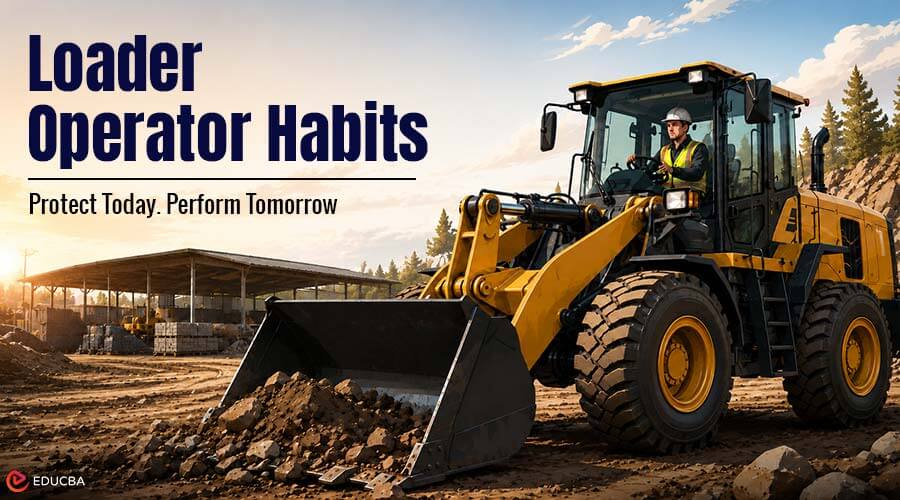
Two identical machines, bought in the same week and working at the same site, can end up in vastly different conditions after five years. While regular maintenance plays a major role in equipment longevity, the biggest difference often comes from the loader operator habits practiced every day. Small decisions made hundreds of times during a shift can significantly reduce wear, improve efficiency, and extend the machine’s life.
Loader Operator Habits That Extend Equipment Life
The following loader operator habits can significantly improve performance and extend the lifespan of your equipment.
1. Warm-Up is Not Wasted Time
Cold oil is thick. It flows reluctantly, struggles through filters, and cannot lubricate properly until it reaches operating temperature. A machine worked hard in the first minutes of a cold morning is being asked to perform while its fluid is at its least capable. A few minutes at idle, followed by gentle cycling of the controls through their full range, brings the whole system up together. It costs almost nothing in time and removes one of the more common causes of premature wear.
2. The Habit of Riding the Relief Valve
When a cylinder reaches the end of its travel, and the operator holds the lever, pressure rises until the relief valve opens. The pump keeps working, the fluid keeps circulating, and every bit of that energy becomes heat. Holding a lever for a few seconds past the end of a stroke seems harmless. Repeated over a shift, it heats the oil, accelerates its aging, and stresses the pump for no productive purpose. Releasing the control once movement stops is a small change with a genuine cumulative benefit.
3. Practice Good Shutdown Habits
Lowering attachments to the ground before switching off removes load from the cylinders and seals overnight. Retracting rods where possible protects exposed surfaces. Parking out of direct weather helps more than it seems. None takes more than a moment, and together they change how a machine looks and performs after several years.
4. Reading the Machine While Working
Operators are the best sensors on a site. They notice when a lift feels slower, when a control responds later than usual, when a new sound appears, and when the machine feels warmer through the floor than it did last week. Whether that information reaches anyone depends entirely on culture. Where reporting a change is welcomed, faults get caught early, and hydraulic repairs get scheduled at a convenient time. Where reporting is treated as complaining, small problems go quiet until they become expensive ones.
5. Smooth Operation Beats Fast Operation
Abrupt control movements send pressure spikes through the system, stressing hoses, fittings and seals. Smooth inputs achieve the same production with far less strain, and experienced operators tend to be both gentler and quicker than they appear. This is worth saying explicitly during training, because new operators often equate aggression with productivity and learn otherwise only through years of feedback nobody gives them.
6. Training That Pays for Itself
An hour explaining why these habits matter sticks better than a list of rules. Operators who understand that holding a lever heats the oil or that cold fluid cannot protect a pump apply that reasoning to situations nobody anticipated. The equipment ends up in better condition, the workshop sees fewer surprises, and the people running the machines take more pride in them. Few investments return as much for as little.
Final Thoughts
Good maintenance practices are essential, but they cannot compensate for poor operating techniques. Consistently following effective loader operator habits—such as properly warming up the machine, avoiding unnecessary hydraulic strain, using smooth controls, performing careful shutdown procedures, and reporting early warning signs—can significantly extend a loader’s service life. These simple habits require very little extra effort, yet help reduce wear, lower repair costs, improve reliability, and keep loaders operating efficiently for years.
Recommended Articles
We hope this guide on loader operator habits helps you extend equipment life and improve performance. Check out these recommended articles for more maintenance tips and best practices for equipment.

