


What is a Press Kit?
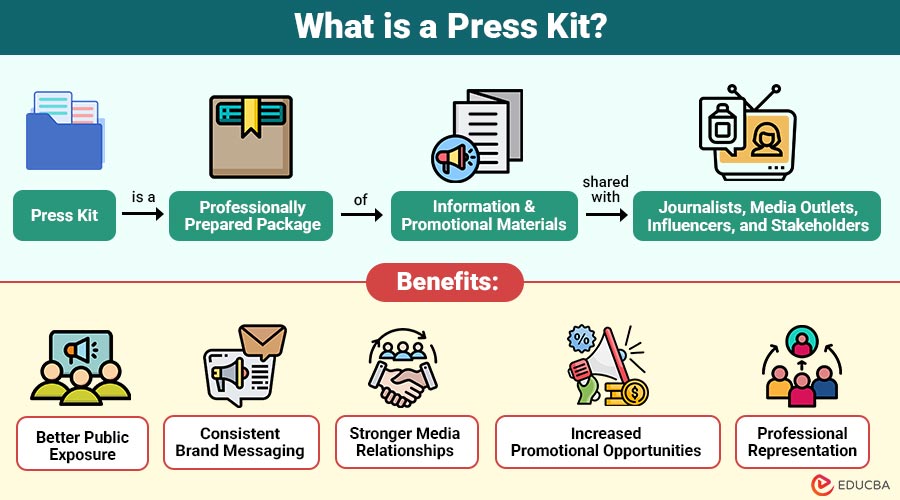
A press kit is a professionally prepared package of information and promotional materials shared with journalists, media outlets, influencers, and stakeholders. It helps media professionals quickly understand a company, brand, product, event, or public figure for news coverage, interviews, or promotional purposes.
Traditionally, press kits were distributed in printed folders during events or product launches. Today, most organizations use digital press kits, often called electronic press kits (EPKs), which are shared through websites, emails, or downloadable media pages. A well-designed press kit presents accurate, well-organized information that supports media coverage and improves brand visibility.
Table of Contents:
Key Takeaways:
- Press kits help organizations effectively share professional information with media, influencers, and public audiences.
- Well-structured press kits improve brand credibility, communication quality, and promotional opportunities across industries globally.
- Digital press kits provide quick access to visuals, announcements, and company information through online platforms.
- Effective press kits support marketing campaigns, strengthen media relationships, and ensure consistent brand communication.
Why is a Press Kit Important?
Here are some key reasons why it is important for businesses, brands, and public relations.
1. Improves Media Coverage
Journalists can quickly access company details, product information, images, and official statements without extensive research.
2. Builds Brand Credibility
A professional press kit reflects trustworthiness, transparency, and preparedness.
3. Saves Time
Media professionals often work under deadlines. A ready-to-use press kit provides immediate access to verified content.
4. Supports Marketing Campaigns
Businesses use it during product launches, events, partnerships, and promotional campaigns.
5. Enhances Public Relations
Public relations teams use it to maintain positive communication with media outlets and influencers.
Main Components of a Press Kit
It includes several key components that provide comprehensive information about the organization or individual.
1. Company Overview
This section introduces the business, including:
- Company history
- Mission and vision
- Industry background
- Core services or products
2. Press Release
A press release highlights important announcements such as:
- Product launches
- New partnerships
- Business expansions
- Awards and achievements
3. Executive Biographies
Profiles of founders, executives, or spokespersons are included to help journalists understand leadership backgrounds and expertise.
4. Product or Service Information
This section explains the following:
- Product features
- Benefits
- Pricing details
- Unique selling points
5. High-Quality Images and Logos
Media-ready visual assets usually include:
- Company logo
- Product photos
- Team photographs
- Event images
6. Contact Information
It should clearly provide contact details for media inquiries, including:
- PR representative name
- Email address
- Phone number
- Official website
7. Testimonials or Reviews
Positive customer feedback, industry recognition, or expert reviews increase trust and credibility.
8. FAQs
Frequently asked questions help journalists quickly clarify common concerns about the business or product.
Types of Press Kits
Organizations prepare different types depending on their objectives and target audience.
1. Corporate Press Kit
It provides company information, achievements, financial highlights, leadership details, and official updates for media communication.
2. Product Launch Press Kit
It introduces new products through specifications, features, pricing, benefits, images, and promotional company announcements.
3. Event Press Kit
It contains schedules, speaker details, venue information, press releases, sponsorship details, and media coordination materials, all professionally prepared.
4. Digital Press Kit
It provides online access to company information, downloadable media resources, visuals, videos, and promotional materials.
5. Influencer Press Kit
It showcases audience demographics, engagement statistics, collaboration opportunities, achievements, partnerships, and personal branding details.
6. Music or Entertainment Press Kit
It promotes artists through biographies, performances, albums, achievements, media appearances, photos, and promotional content.
How Does a Press Kit Work?
It works by providing structured, ready-to-publish information to media professionals.
Step 1: Information Collection
The organization gathers relevant company details, visuals, and announcements.
Step 2: Content Organization
All materials are arranged professionally for easy understanding.
Step 3: Distribution
It is distributed through:
- Email campaigns
- Official websites
- Media events
- PR agencies
- Downloadable media pages
Step 4: Media Usage
Journalists and influencers use the provided content for articles, interviews, reviews, or promotional stories.
Features of an Effective Press Kit
It typically includes the following features:
1. Clear Structure
Information should be organized logically for easy understanding and quick media reference purposes.
2. Professional Design
A professional layout uses clean formatting, consistent branding, and visually appealing elements to maintain credibility effectively.
3. Accurate Information
All content must be verified, regularly updated, and factually accurate to ensure reliability.
4. Media-Friendly Assets
It should contain high-resolution images, logos, graphics, and downloadable materials suitable for media publication requirements.
5. Easy Accessibility
It should allow quick downloading or online access across devices and digital communication platforms.
6. Concise Content
Content should remain short, informative, and relevant, without unnecessary details or excessive explanations.
7. Contact Availability
It must provide immediate contact details for journalists, media professionals, and business inquiries.
Benefits of a Press Kit
Here are some major benefits of using it for media communication and brand promotion.
1. Better Public Exposure
Improve media visibility and increase public awareness about businesses, products, services, or organizational activities.
2. Consistent Brand Messaging
Ensure that all media platforms receive accurate, consistent, and verified company information, preventing misunderstandings.
3. Stronger Media Relationships
Easy access to information helps organizations build stronger relationships with journalists, reporters, publishers, and other media professionals.
4. Increased Promotional Opportunities
Help influencers and publishers promote products, services, events, and organizational stories more efficiently online.
5. Professional Representation
Demonstrate professionalism, preparation, credibility, and organized communication for media and business audiences.
Challenges of Creating a Press Kit
Despite their advantages, organizations may face challenges:
1. Keeping Information Updated
Outdated contact details, statistics, or product information can confuse journalists and significantly reduce the effectiveness of media communication.
2. Content Overload
Excessive information in press kits may overwhelm journalists, considerably reducing readability, engagement, and overall promotional effectiveness.
3. Poor Design Quality
Unorganized layouts and inconsistent formatting may appear unprofessional, discouraging journalists from using provided press materials effectively.
4. Lack of Relevant Information
Missing visuals, company details, or statistics may reduce journalist interest and limit valuable media coverage opportunities.
Examples of Press Kit Usage
Here are some common examples showing how they are used across different industries and promotional activities.
1. Startup Product Launch
A technology startup launching a new mobile app may create a digital press kit containing:
- Product screenshots
- Founder bios
- Press release
- Company background
- Media contacts
Journalists use this information for technology news coverage.
2. Music Artist Promotion
A singer releasing a new album may prepare an electronic press kit with:
- Artist biography
- Album details
- Performance videos
- Professional photographs
- Social media links
Music journalists and event organizers use these materials for promotions and interviews.
3. Corporate Event
A company hosting an annual conference may distribute a press kit containing:
- Event schedule
- Speaker profiles
- Sponsor information
- Press releases
- Event photographs
Final Thoughts
A press kit is an important public relations tool that helps organizations share professional, accurate, and media-friendly information effectively. It improves visibility, strengthens credibility, and supports promotional activities. Modern digital press kits provide faster accessibility, organized communication, and stronger relationships with journalists, influencers, publishers, and public audiences worldwide.
Frequently Asked Questions (FAQs)
Q1. What is included in a press kit?
Answer: Common contents include company background, press releases, executive bios, product details, images, logos, and contact information.
Q2. Who uses press kits?
Answer: Businesses, public relations teams, influencers, artists, startups, and event organizers commonly use press kits.
Q3. Why are visuals important in a press kit?
Answer: Professional images and logos help journalists create attractive and accurate media content quickly.
Q4. How often should a press kit be updated?
Answer: It should be updated regularly whenever there are changes in company details, product information, leadership, achievements, or contact information.
Recommended Articles
We hope that this EDUCBA information on “Press Kit” was beneficial to you. You can view EDUCBA’s recommended articles for more information

