


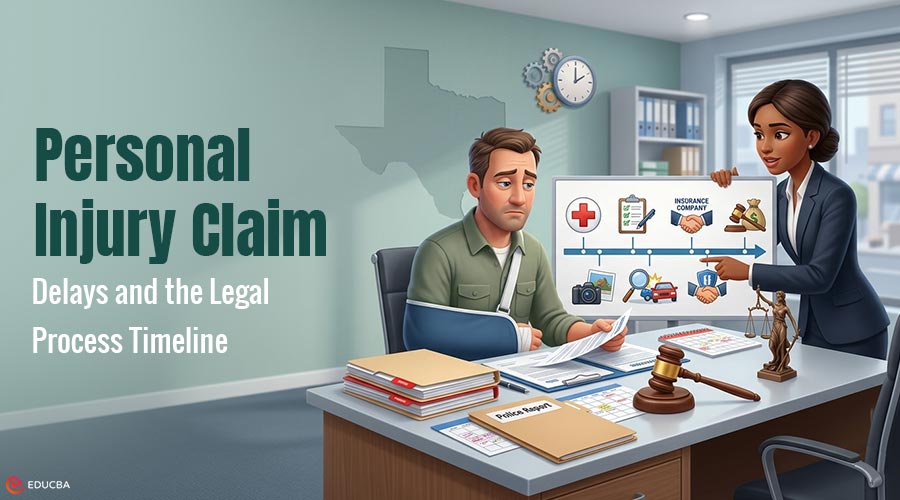
Personal injury claims in Texas rarely follow a swift or predictable path. While some cases resolve within a few months, many extend well beyond a year. Particularly complex matters can span multiple years, and delays in personal injury claims are common in such situations.
“Settling before reaching that point risks undervaluing the claim because you might not know the full extent of injuries, future care requirements, and long-term consequences,” says Felix Gonzalez, the Attorney of Felix Gonzalez Accident and Injury Law Firm.
Understanding the forces behind these delays is essential for managing expectations and safeguarding the value of a claim. Just as important is understanding the practical measures you can take to help the claims process progress as smoothly and efficiently as possible.
The Nature of Personal Injury Claim Delays and Timelines
A personal injury claim is not a single transaction. It is a multi-stage process that includes investigation, medical treatment, negotiation, and, at times, litigation. The length of that process depends on many different factors. These include the case’s complexity, the court’s availability, and the parties’ positions.
A lengthy timeline does not necessarily indicate that something is wrong. In many instances, a measured approach is precisely what produces the strongest outcome.
Common Reasons Personal Injury Claim Delays Happen
1. Ongoing Medical Treatment
One of the most common causes of delay is the need to complete medical treatment before finalizing a settlement. Attorneys typically advise waiting until a claimant reaches maximum medical improvement. It’s the point at which their condition has stabilized as much as expected.
2. Disputes Over Liability
When there is genuine disagreement over who bears responsibility for an accident, the claim proceeds considerably more slowly. Texas follows a modified comparative negligence rule. Under this rule, compensation may be reduced or eliminated based on each party’s percentage of fault. Resolving liability disputes requires additional investigation, evidence gathering, and sometimes expert analysis, all of which take time.
3. Incomplete Documentation
Personal injury claims depend on thorough documentation. That includes medical records, police reports, proof of lost income, and witness statements. When any of this material is missing, disorganized, or difficult to obtain, the process stalls until you address the gaps. Proactive record-keeping from the start can significantly reduce these delays.
4. Insurance Company Tactics
Insurance companies operate to minimize financial exposure. Delay can be a deliberate strategy. Common approaches include making low initial settlement offers, requesting excessive or repetitive documentation, and responding slowly to communications. These tactics wear down claimants and encourage them to accept less than their claim is worth.
5. Complex or High-Value Claim
Cases involving severe injuries, multiple liable parties, or substantial damages require more profound investigation and more intensive negotiation. The greater the value of the claim, the more carefully everyone involved scrutinizes it. Accidents involving multiple vehicles or commercial entities add further layers of complexity because they require engaging more stakeholders throughout the process.
Steps That Can Reduce Unnecessary Delays in Personal Injury Claims
The process involves the following steps:
Step 1: Seek Prompt and Consistent Medical Care
Attending to injuries immediately and maintaining a consistent treatment schedule creates clear medical records that directly support the claim. Gaps in treatment raise questions about the severity of injuries and can significantly slow the process.
Step 2: Maintain Thorough Records
Detailed documentation of medical appointments, associated expenses, lost wages, and the day-to-day impact of injuries provides an attorney with the material needed to build a well-supported claim without delay—organizations at this stage benefit throughout the process.
Step 3: Respond to Requests Without Delay
Slow communication between claimants, attorneys, and insurers is a common and avoidable source of delay. Providing requested information and documents without delay helps maintain momentum and reduces the risk of unnecessary setbacks.
Final Thoughts
Delays in Texas personal injury claims often arise from legitimate and necessary steps. These include completing medical treatment, gathering evidence, and negotiating with multiple parties. However, they can also result from strategic resistance by insurers or avoidable gaps in documentation.
Those dealing with stalled claims should consult a qualified Texas personal injury attorney who can assess the situation and take decisive action to move matters forward.
Recommended Articles
We hope this guide on personal injury claim delays helps you better understand why cases take longer than expected and what steps can help move the process forward. Explore these recommended articles for additional insights and practical guidance on protecting your rights and maximizing the value of your personal injury claim.

