


What Is Brand Consistency?
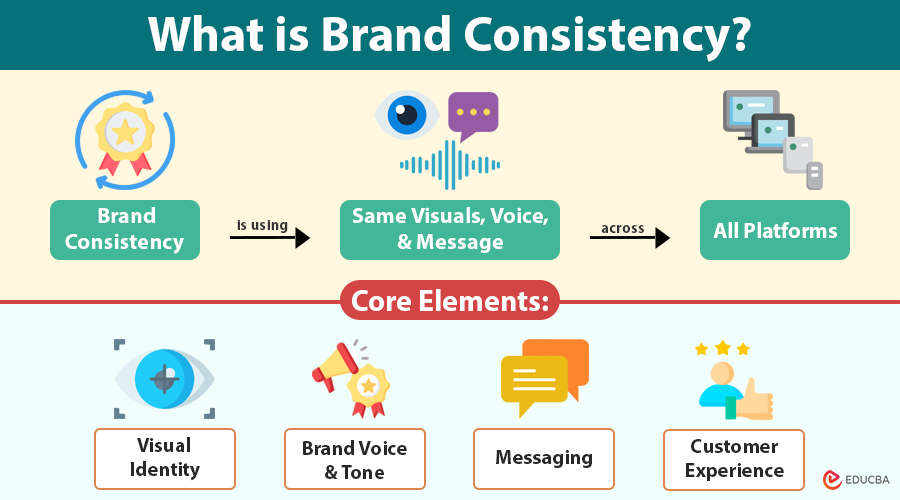
Brand consistency refers to presenting your brand uniformly across all platforms, using the same logo, fonts, colours, tone of voice, and messaging.
Brand consistency ensures customers receive a unified experience across all touchpoints, whether they engage with your website, social media, advertisements, or customer service. This consistency strengthens brand recognition, builds trust, and fosters long-term loyalty.
Starbucks maintains the same logo, store design, tone, and customer experience worldwide. Whether online or in-store, customers instantly recognize the brand that is the power of consistency.
Table of Contents
Key Takeaways
- Brand consistency builds trust and recognition by making your brand easily identifiable across all channels.
- It protects and enhances brand equity by reinforcing your brand’s value and preventing confusion.
- A unified brand experience strengthens customer loyalty through familiarity and reliability.
- Visuals, voice, messaging, and customer service must all align to maintain a cohesive brand identity.
- Brand guidelines and design tools help teams apply consistent branding across all communications.
- Regular audits and training ensure your brand remains consistent during periods of growth, change, or expansion.
Importance of Brand Consistency
Keeping your brand consistent extends beyond visual appeal; it plays an important role in shaping how your audience perceives, trusts, and interacts with your business.
1. Protects Brand Equity
Consistent branding preserves the value you’ve built by preventing confusion and reinforcing your market identity every time customers see your logo, colors, or messaging.
2. Accelerates Decision-Making
Familiar visual and verbal cues reduce hesitation, enabling customers to recognize your offerings more quickly and make more informed purchase decisions.
3. Lower Long-Term Marketing Costs
Brand guidelines and reusable assets reduce duplication of effort, streamline content creation, and optimize your marketing budget.
4. Unifies Internal Culture
When all teams speak a common brand language, collaboration improves, and customer interactions become more consistent and reliable.
5. Strengthens Crisis Resilience
A trusted, well-known brand is more likely to retain support and recover faster during negative events because loyal audiences stand by it.
6. Boosts Word-of-Mouth Referrals
People are more likely to recommend a brand they can easily recognize and describe, and consistency makes sharing simple and organic.
Core Elements of Brand Consistency
To maintain a strong and recognizable brand, you must align every element of your communication and experience across all customer touchpoints.
1. Visual Identity
Use a consistent logo, color palette, typography, and imagery style. Your brand should be instantly recognizable, whether on a billboard, website, or social feed.
2. Brand Voice and Tone
Your voice reflects your brand’s personality, while the tone may shift depending on the context. For instance, a tech brand may use a friendly, informative tone in its blog content and a more urgent tone during product launches—yet the core voice remains consistent.
3. Messaging
Convey your brand’s values, mission, and positioning clearly and consistently. Every piece of communication, from ads to emails, should reinforce what your brand stands for.
4. Customer Experience
Ensure a unified experience across all customer interactions. Whether someone contacts support, visits a physical location, or shops online, they should receive the same level of quality and care.
Why Brand Consistency Drives Results?
Consistency not only enhances your brand’s appearance; it also makes your entire strategy more effective. When you present your brand reliably across every touchpoint, it produces tangible business benefits.
- Builds Trust: People trust what they recognize. If your brand looks or sounds different too often, customers may feel uncertain about your identity. Consistency reassures them and builds confidence in your reliability.
- Increases Recognition: A consistent visual style and tone help your audience instantly identify your brand, even when your logo is not visible.
- Enhances Marketing Performance: When all campaign elements align with your brand identity, they support and strengthen each other, making your messaging clearer and more impactful.
- Boosts Customer Loyalty: Customers stay loyal to brands that feel familiar and dependable. Consistent experiences foster emotional connection and brand alignment.
How to Maintain Brand Consistency?
Maintaining brand consistency over time requires the right processes, tools, and team alignment to uphold your brand identity across all forms of communication.
1. Create a Brand Style Guide
Develop a detailed brand guideline that defines your visual identity and communication style, including logo usage, color palette, fonts, brand voice, and core messaging. Make sure everyone involved in content creation or customer interactions has easy access to the brand guidelines and understands how to apply them consistently.
2. Align Internal Teams
Ensure that teams across marketing, sales, product, and customer service understand and consistently apply the same brand principles. Offer regular training and updates to keep everyone aligned.
3. Use Templates and Tools
Build reusable templates for presentations, emails, social media posts, and ads. Platforms like Canva or Adobe Creative Suite help maintain consistent brand elements.
4. Monitor and Audit Regularly
Periodically review all brand touchpoints, including both digital and physical ones. Spot inconsistencies, fix them promptly, and use analytics and feedback to refine your approach while staying true to your core identity.
Real-World Examples of Strong Brand Consistency
1. Apple
Apple uses minimalist design, clean typography, and a confident tone. From packaging to product launches, every experience feels premium and unified.
2. Coca-Cola
Coca-Cola keeps its red-and-white color scheme, vintage typography, and uplifting messaging across decades. Its emotional tone remains consistent, whether the medium is a Super Bowl ad or a summer poster.
3. McDonald’s
McDonald’s maintains consistent branding through its golden arches, red-and-yellow color scheme, and family-friendly messaging. Whether you’re in Tokyo or New York, the logo, packaging, jingle, and overall experience feel familiar and dependable.
Challenges to Brand Consistency
Even the most successful brands face obstacles in maintaining consistency. As businesses grow or adapt, certain factors can disrupt brand alignment:
- Rapid Team Growth: New team members may not fully understand or adhere to brand guidelines, resulting in inconsistent messaging and visuals.
- Rebranding or Market Expansion: Entering new markets or updating your brand without clear communication can confuse customers and dilute your core identity.
- Over-Customizing for Platforms: Tailoring content too much for different channels can weaken your overall brand presence if the core voice and visuals become fragmented.
To stay consistent, you must remain vigilant, train your teams, and regularly audit your brand assets, especially during times of transition or rapid change.
Final Thoughts
Brand consistency is not just about looking good; it is about building trust, loyalty, and recognition over time. By staying true to your brand across all channels and interactions, you make it easier for customers to connect with you, remember you, and choose you. Keep your messaging, visuals, and experiences aligned, and your brand will grow stronger with every touchpoint.
Frequently Asked Questions
Q1. What role does brand consistency play in social media engagement?
Answer: A consistent brand voice and visual identity on social platforms helps audiences immediately recognize your content, increasing engagement rates and reinforcing your brand in daily interactions.
Q2. Can brand consistency still allow for creativity and innovation?
Answer: Yes, creativity can thrive within a consistent brand framework. As long as new ideas align with core brand guidelines, they can enhance originality without compromising consistency.
Q3. How does brand consistency affect employer branding?
Answer: Maintaining consistency in how you present your company to potential employees (on job boards, LinkedIn, or your careers page) builds trust and helps attract talent aligned with your company’s values.
Recommended Article
We hope this guide to brand consistency helps you understand its vital role in building a strong and trustworthy brand. Explore these recommended reads for deeper insights into brand identity, tone of voice, visual storytelling, and long-term brand strategy.

