


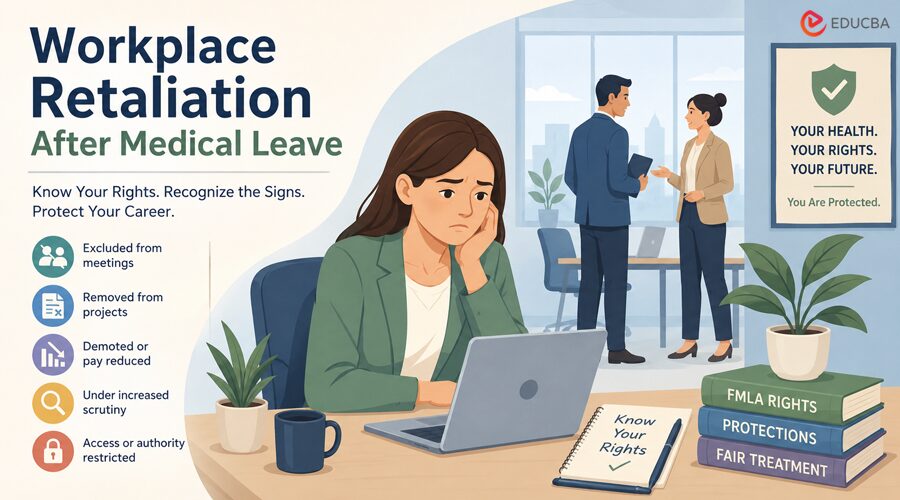
When you take medical leave from work, it is natural to expect to come back and pick up where you left off. However, that is not what happens for many people. If you return and feel something is off, it may not just be your imagination. In some cases, this can be a sign of workplace retaliation after medical leave, especially when changes go beyond normal organizational adjustments.
While some shifts are inevitable – especially if you played a central role in the company and someone else has been calling the shots – some changes may be retaliatory in nature.
If your employer is treating you differently in a negative way just because you took protected medical leave, it could be a violation of federal law. Laws like the Family and Medical Leave Act (FMLA) give employees the right to return to the same or an equivalent position.
However, not all employers follow this law. Some employers disregard the law completely and terminate workers while they are on leave. If that happened, you might have a strong case against your employer, and you should contact a lawyer immediately.
Being treated differently is not always due to a normal workplace change. When it is linked to workplace retaliation after medical leave, it can directly affect your job security, mental health, and long-term career.
What Workplace Retaliation After Medical Leave Looks Like?
When you return to work after medical leave, changes are usually subtle. Nobody announces what is going on. It just starts to appear in daily interactions. For example, you might notice that your role has changed and your usual tasks and responsibilities have been reassigned. Sometimes this is a completely normal part of coming back, but if it persists, it might be a sign that your employer has sidelined you. If that is the case, you should talk to an attorney right away.
Other signs might include:
- Being excluded from meetings
- Being taken off projects
- Being demoted with a pay reduction
- Being denied promotions that seemed automatic before
- Being placed under increased scrutiny, where small mistakes are suddenly documented as official write-ups
- Having access to files or physical locations restricted
- Maintaining the same title, but having your decision-making authority revoked
It is normal for others to cover your duties while you are away temporarily, but that should not become permanent after your return. If it does, it may point to workplace retaliation after medical leave, especially if disciplinary actions suddenly increase.
Why Workplace Retaliation After Medical Leave Happens?
Most employers will never admit to outright retaliatory behavior because their actions usually stem from frustration and risk management concerns. However, those concerns do not justify unfair treatment. Unfortunately, some managers view people on medical leave as unreliable, even when there are no performance issues. This perception can cause them to make unfair decisions about assignments and promotions. In some cases, employers worry about having to make future accommodations for additional medical needs, so they try to push workers out.
If you held a critical role, your absence may have disrupted operations. As a result, some managers may resist restoring your original responsibilities, contributing to patterns of workplace retaliation.
When Changes Equal Retaliation?
Not all changes are illegal, so it is important to know when that line has been crossed. The best way to understand your situation is to speak with an attorney about your case. Generally, if you were demoted, had your pay reduced, or lost significant responsibilities, this may constitute workplace retaliation after medical leave. The Equal Employment Opportunity Commission (EEOC) defines retaliation as any action that would discourage a reasonable person from exercising their rights.
Other signs of retaliation include changes that happen immediately after your return and inconsistent justifications from your employer. For example, your boss might give you different reasons for why your role has changed.
Protecting Yourself From Workplace Retaliation After Medical Leave
Being proactive is important if you suspect unfair treatment. If you want to stay with your employer, focus on rebuilding your visibility by volunteering for projects and clearly communicating your contributions.
At the same time, document everything. Keeping records can be important if workplace retaliation after medical leave escalates.
You should also understand your legal rights and consult an employment attorney if needed. In some cases, protecting your career may involve preparing an exit strategy or pursuing legal action.
Final Thoughts
Experiencing changes after returning from leave can be unsettling, but not all of them are unlawful. However, when patterns point toward workplace retaliation, it is important to take them seriously.
Pay attention to consistency, timing, and fairness in how you are treated. Facts, documentation, and professional advice should guide your response.
Recommended Articles
We hope this guide helps you better understand workplace retaliation, employee rights, and the warning signs of unfair treatment after returning to work. Explore the recommended articles below for more insights on FMLA protections, workplace discrimination, employee legal rights, and handling employer retaliation.

