


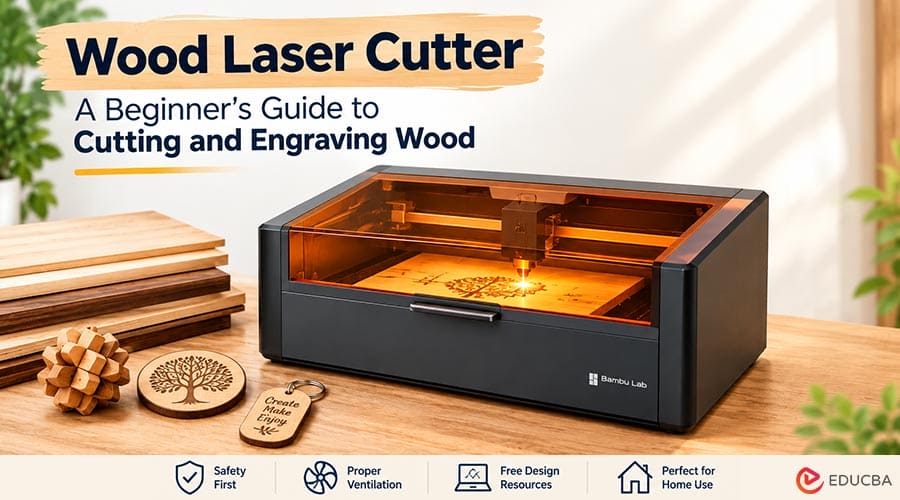
Wood is one of the most popular materials for laser cutting and engraving. Whether you want to make custom signs, cut intricate puzzles, or engrave photos onto a wooden plaque, a wood laser cutter makes it all possible with speed and precision.
In this tutorial, we will cover how wood laser cutters work, which laser type is best for wood, what types of wood you can cut, and how to get started at home. By the end, you will have a clear understanding of the technology and what to look for in your first machine.
What Is a Wood Laser Cutter?
A wood laser cutter uses a focused laser beam to cut through wood or engrave detailed designs onto its surface. Unlike traditional saws or CNC routers, the laser makes no physical contact with the material. The beam vaporizes the wood along a precise path, producing clean edges with minimal waste.
Most modern wood laser cutting machines double as engravers, so you can both cut through a sheet of plywood and etch a portrait onto a wooden board with the same device. This makes a wood laser cutter one of the most versatile tools for makers, crafters, and small businesses.
Why CO2 Is the Best Laser for Cutting Wood
Two main types of lasers are used for wood: diode lasers and CO2 lasers. Both can engrave wood, but CO2 has a clear advantage for cutting.
A CO2 laser cutter for wood operates at a 10.6 μm wavelength, which organic materials like wood absorb very efficiently. This means it cuts faster, deeper, and with cleaner edges than a diode laser at comparable power levels. A 55W CO2 laser can cut through 15 mm plywood in a single pass, whereas a 20W diode laser would struggle with anything above 6–8 mm.
CO2 lasers also handle a broader range of wood types and densities. If you plan to work with hardwoods like oak or walnut, or if you need to cut thick plywood for furniture parts or signage, a CO2 laser for wood is the better choice. Diode lasers are generally more budget-friendly and space-efficient, making them suitable for basic engraving and cutting thinner softwood materials.
Laser Cutting vs Laser Engraving on Wood
Though often mentioned together, laser cutting wood and laser engraving on wood are two distinct processes:
- Cutting means the laser beam goes all the way through the material, separating it into individual pieces. This creates shapes, components, and laser-cut wood products like puzzles, coasters, and signage.
- Engraving means the laser removes only the top layer of the surface, leaving a visible mark without cutting through. This is used for adding text, images, logos, and decorative patterns to wood.
Many machines function as a laser wood cutter and engraver, letting you switch between both modes by adjusting power and speed settings in the software. For example, you could cut a wooden keychain from a sheet of plywood and engrave a name onto it in a single job.
What Types of Wood Can You Laser Cut?
Not all wood responds to laser cutting the same way. The result depends on the material’s density, resin content, and uniformity. Here is a breakdown of the most common types used with a wood laser cutter machine:
- Softwoods (basswood, balsa, poplar): The easiest to cut and engrave. Low power is enough, making them ideal for beginners. Basswood and balsa produce clean, light-colored engravings.
- Hardwoods (oak, walnut, cherry, maple): Require more power and slower speeds, but produce higher-contrast engravings with rich, dark tones. Great for premium products.
- Plywood and MDF: Widely used for batch production. Baltic birch plywood is a maker favorite for its uniform layers and clean cuts. MDF engraves smoothly but leaves darker edges.
- Veneer: Thin sheets of natural wood that work well for inlays and layered designs.
A general rule: avoid wood with heavy knots, uneven resin pockets, or phenolic glue (common in cheap plywood). These can cause inconsistent cuts and produce unpleasant fumes.
Power vs Thickness: A Quick Reference
| Laser Power | Approximate Max Cut Depth (wood) | Best For |
| 20–30W (diode) | 3–6 mm | Light engraving, thin softwood |
| 40–45W (CO2) | 6–8 mm | Entry-level CO2, basic cutting |
| 55W (CO2) | 10–15 mm | Most hobby and small business needs |
| 80–100W (CO2) | 15–20+ mm | Thick hardwood, production volume |
What a Desktop CO2 Wood Laser Cutter Looks Like?
To put the concepts above into perspective, let us look at a real-world example of a desktop CO2 laser designed for wood.
The Bambu Lab R1 is a 55W desktop CO2 laser machine for wood that illustrates what a modern wood laser cutter looks like in practice:
- 55W CO2 laser: Sits in the sweet spot from the power chart above. Cuts plywood up to 20 mm thick and engraves across all common wood types.
- Automatic optical-path alignment: The machine calibrates itself. No thermal paper, no test shots, no manual tuning. This feature dramatically lowers the learning curve for beginners.
- Fully enclosed, Class 1 design: The laser, smoke, and stray light stay inside the machine. Crossflow ventilation clears fumes from the work area. Safe enough for a home studio.
- Speeds up to 1,000 mm/s: Onboard cameras and encoders maintain precision even at high speed, so you do not have to choose between fast and accurate.
- Bambu Studio + MakerWorld: Free software with material presets, plus access to over 2 million community designs you can send directly to the machine.
This is what a woodworking laser cutter looks like in 2026: compact enough for a desk, powerful enough for serious projects, and smart enough that a beginner can start cutting wood on day one.
How to Get Started with Wood Laser Cutting at Home?
If you are considering a home laser cutter or hobby laser cutter for wood projects, here are the key things to keep in mind:
- Choose an enclosed machine: A personal laser cutter with a built-in enclosure keeps fumes contained and protects your eyes. This is non-negotiable for home use.
- Start with basswood or Baltic birch plywood: These materials are affordable, consistent, and forgiving for beginners learning speed and power settings.
- Ensure proper ventilation: Even with an enclosed design, you need an exhaust path. A window vent or compatible air purifier will keep your workspace clean.
- Use free design resources: Platforms like MakerWorld, SVG Repo, and maker forums offer thousands of free laser-ready files to get you started without design skills.
- Never leave a laser unattended: Wood is flammable. Always monitor your cuts, especially when working with new materials or settings.
A laser cutter for home use does not require a dedicated workshop. Many desktop CO2 machines fit on a standard workbench and run quietly enough for a spare room or garage. The key is choosing a machine designed for hobbyists, with safety features and software that do not assume prior experience.
Frequently Asked Questions (FAQ’s)
Q1. What is the best laser cutter for cutting wood?
Answer: For most users, a 55W desktop CO2 laser cutter offers the best balance of cutting power, material range, and ease of use. CO2 lasers outperform diode lasers on wood in both speed and maximum cut depth.
Q2. Can laser cutters cut wood?
Answer: Yes. Both CO2 and high-power diode lasers can cut wood. CO2 lasers are more effective for thicker materials and hardwoods, while diode lasers handle thin softwoods and light engraving at a lower price point.
Q3. What is the thickest wood you can laser cut?
Answer: It depends on laser power and wood type. A 55W CO2 laser typically cuts 10–15 mm of plywood in a single pass. Higher-power machines (80–100W) can handle 20 mm or more. Softwoods cut more easily than dense hardwoods at the same power.
Q4. How thick of wood can a 100W laser cut?
Answer: A 100W CO2 laser can cut approximately 20–25 mm of wood in a single pass, depending on wood density and moisture content. For thicker stock, multiple passes or a CNC router may be more practical.
Final Thoughts
A wood laser cutter is a versatile tool for cutting, engraving, and creating detailed designs from different types of wood. CO2 lasers are generally better suited for deeper cuts, thicker materials, and hardwoods, while diode lasers offer a more affordable option for light engraving and thinner softwoods. Understanding the differences between laser types, wood materials, and power levels can help you choose a machine that matches your projects.
For beginners, starting with materials such as basswood or Baltic birch plywood can make it easier to learn the right speed and power settings. Whether you plan to create crafts at home, personalized products, or small-batch projects, choosing an enclosed machine with suitable ventilation and built-in safety features can help you work with wood more effectively and safely.
Recommended Articles
We hope this guide helps you understand wood laser cutters, including CO2 and diode lasers, wood cutting and engraving, laser power, material thickness, and how to choose a machine for home use. Explore our recommended articles for more insights on laser cutting, woodworking, engraving, DIY projects, and maker tools.

