


Introduction to Photosynthesis
Photosynthesis is a fundamental process that makes life on Earth possible. Through this process, plants, algae, and certain bacteria use sunlight to create their own food while releasing oxygen into the atmosphere. This simple yet powerful reaction provides the energy that sustains nearly all living organisms and helps maintain the atmospheric gas balance. Without photosynthesis, food chains would collapse, oxygen levels would drop, and life as we know it would not exist.
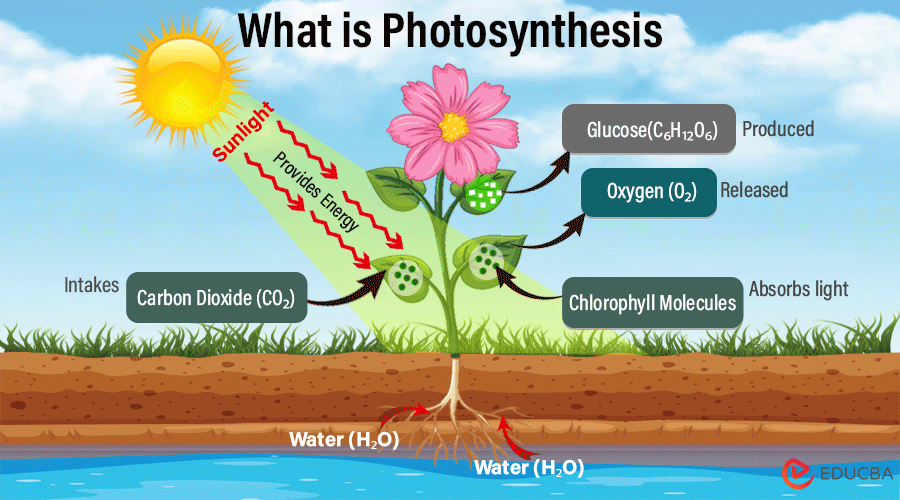
What is Photosynthesis?
Photosynthesis is the process by which green plants make their own food using sunlight. It occurs in small structures within plant cells called chloroplasts, which contain the green pigment chlorophyll. Chlorophyll absorbs sunlight and uses it to convert carbon dioxide and water into glucose, which provides the plant with energy. Photosynthesis releases oxygen as a byproduct.
The chemical equation for photosynthesis is:
Photosynthesis happens in two main stages. In the first stage, called the light-dependent reactions, plants use sunlight to split water and make energy-rich compounds. In the second stage, called the Calvin cycle, plants use this energy to convert carbon dioxide into glucose.
Why is Photosynthesis Important?
Photosynthesis is vital for maintaining life on Earth as it serves several crucial roles:
- Production of Oxygen: Photosynthesis is the primary source of atmospheric oxygen, which is essential for the survival of aerobic organisms, including humans and other animals.
- Food Production: Photosynthesis is the foundation of the food chain. Plants produce organic compounds, such as glucose, that serve as the primary energy source and are consumed by heterotrophs (organisms that cannot make their own food).
- Carbon Dioxide Regulation: Photosynthesis removes carbon dioxide from the atmosphere via carbon fixation, thereby significantly regulating atmospheric carbon dioxide levels.
- Ecosystem Stability: Photosynthesis is vital in maintaining ecosystem stability. It provides energy and nutrients that support the survival and growth of organisms, including plants.
Where Does Photosynthesis Occur?
Photosynthesis occurs primarily in the chloroplasts of plant cells, which contain concentrated chlorophyll pigments. Chloroplasts are organelles found in the cells of green plants and are responsible for photosynthesis. Within the chloroplasts, photosynthesis occurs in the thylakoid membranes during the light-dependent reactions and in the stroma during the light-independent reactions. Photosynthesis also occurs in certain types of algae and photosynthetic bacteria, although the process may vary slightly in these organisms.
Principles of Photosynthesis
Photosynthesis is the process through which light energy is converted into chemical energy and stored as glucose and other organic compounds in plants, algae, and some bacteria. Because photosynthesis produces oxygen and forms the base of the food chain, it is vital to life on Earth.
- Sunlight: Plants use chlorophyll pigments, located in specialized chloroplasts, to absorb light, the primary energy source for photosynthesis. Chlorophyll absorbs light energy, particularly in the red and blue regions of the spectrum, while reflecting green light, giving plants their characteristic color.
- Carbon Dioxide: Carbon dioxide (CO2) from the atmosphere is essential for photosynthesis. Plants absorb carbon dioxide during photosynthesis through microscopic holes in their leaves called stomata. Within chloroplasts, carbon dioxide combines with water to produce glucose and oxygen in a process known as the Calvin cycle.
- Water: Another essential component of photosynthesis. Plants take water through their roots and then transfer it to their leaves. Within chloroplasts, water molecules are split in a process known as photolysis, producing oxygen as a byproduct and electrons that are used to synthesize the energy carriers NADPH (nicotinamide adenine dinucleotide phosphate) and ATP (adenosine triphosphate), which the Calvin cycle utilizes.
- Chlorophyll: Chlorophyll is the primary pigment used in photosynthesis to absorb light energy. It is found in the chloroplasts of plant cells and gives plants their green color. Chlorophyll molecules absorb light, initiating a series of chemical reactions that convert light energy into chemical energy stored in the bonds of glucose molecules.
Types of Photosynthesis
Photosynthesis varies with a plant’s environment and carbon dioxide uptake. There are three main types of photosynthesis.
1. C3 Photosynthesis (Most Common Type)
C3 photosynthesis is the most widespread form and occurs in most plants.
Key Features:
- First stable product is a 3-carbon compound (3-phosphoglycerate)
- Occurs in cool, moist climates
- Less efficient in hot, dry conditions due to photorespiration.
Examples of C3 Plants: Wheat, Rice, Soybean, Cotton
2. C4 Photosynthesis (Adapted to High Heat)
C4 plants have a special adaptation that minimizes water loss and photorespiration.
Key Features:
- First stable product is a 4-carbon compound (oxaloacetate)
- Carbon fixation occurs in mesophyll cells, while the Calvin cycle occurs in bundle sheath cells
- Highly efficient in hot and sunny environments.
Examples of C4 Plants: Maize (corn), Sugarcane, Sorghum, Millet
3. CAM Photosynthesis (Water-Saving Adaptation)
CAM photosynthesis helps plants survive in extremely dry environments.
Key Features:
- Stomata open at night to reduce water loss
- CO₂ is stored as organic acids and used during the day
- Very high water-use efficiency.
Examples of CAM Plants: Cactus, Pineapple, Aloe vera, Agave
The Process of Photosynthesis
Here is the process of photosynthesis broken down into its main steps:
Step 1. Absorbing Sunlight
Chlorophyll, a pigment present in the chloroplasts of plant cells, absorbs sunlight to start photosynthesis. It converts solar energy into chemical energy, thereby driving the photosynthetic process.
Step 2. Taking in Carbon Dioxide
Through microscopic holes in their leaves called stomata. Photosynthesis occurs when carbon dioxide molecules enter the leaves and diffuse into the cells. Within cells, photosynthetic reactions use carbon dioxide as a substrate.
Step 3. Use of Water
Water is absorbed by the plant roots from the soil and transported through the stem to the leaves. Inside the leaf cells, chloroplasts split water molecules through photolysis, which occurs in the thylakoid membranes. This splitting of water molecules releases electrons that drive photosynthetic reactions.
Step 4. Creation of Glucose
In the light-dependent reactions of photosynthesis, plants use the absorbed sunlight energy to generate ATP (adenosine triphosphate) and NADPH (nicotinamide adenine dinucleotide phosphate), energy-rich molecules. These molecules are then used in the Calvin cycle, a series of light-independent reactions that turn carbon dioxide into glucose, a simple sugar. In addition to serving as the plant’s primary energy source, glucose is used to synthesize other organic molecules required for growth and development.
Step 5. Releasing Oxygen
In light-dependent reactions, plants and other organisms release oxygen gas (O2) into the atmosphere as a byproduct. This oxygen is produced by the splitting of water molecules during photolysis. It plays an essential role in aerobic respiration, supplying the oxygen required for cellular respiration.
Parts of the Plant Involved
In photosynthesis, plants use a variety of components to process carbon dioxide, water, and sunlight into glucose and oxygen. The primary parts involved in photosynthesis are:
1. Leaves
- Solar Panels of Nature: Leaves are the main organs responsible for photosynthesis. They contain specialized organelles called chloroplasts, which contain chlorophyll, a pigment that absorbs light energy. Leaves use photosynthesis to convert light energy into chemical energy, producing oxygen and glucose as byproducts.
2. Roots and Stems
- Secondary Players: While leaves are the primary sites of photosynthesis, stems and roots also play critical supporting roles. Stems provide structural support for the leaves, positioning them to maximize exposure to sunlight. Additionally, stems transport water and nutrients from the roots to the leaves.
Photosynthesis in Action
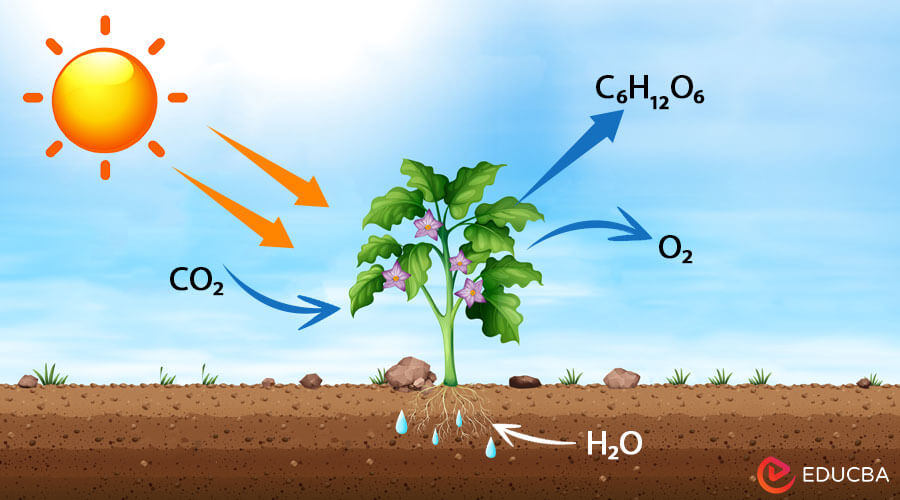
- Plants in the Sun: In this scenario, you would see typical terrestrial plants basking in sunlight. The green pigments in their leaves, known as chlorophyll, capture sunlight and convert it into chemical energy through photosynthesis. As sunlight hits the chlorophyll, you might observe the leaves appearing green as they reflect green wavelengths of light. Plants might also release oxygen as a byproduct of photosynthesis, and people often refer to this as the plants’ “exhaling” oxygen.
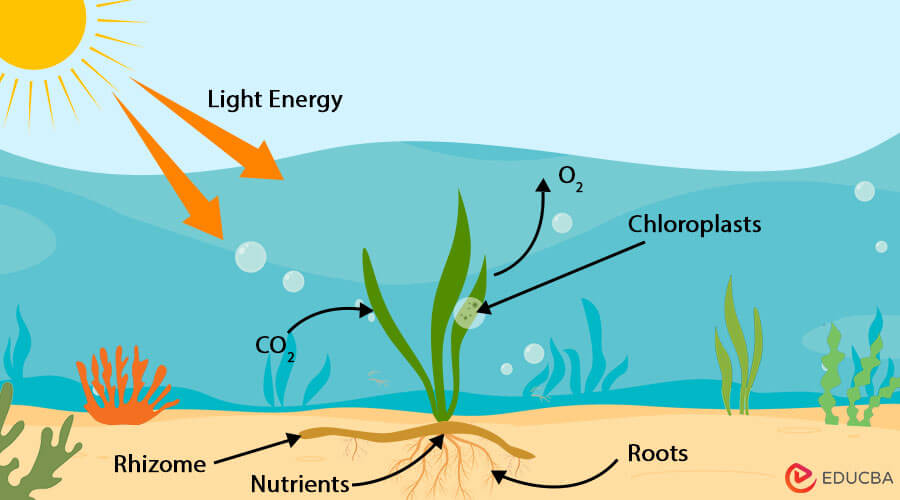
- Aquatic Plant Photosynthesis: Aquatic plants, like terrestrial plants, perform photosynthesis, but they do so while submerged in water. You might observe these plants in bodies of water such as ponds, lakes, or oceans. These plants have adaptations that enable photosynthesis underwater, including specialized structures that facilitate carbon dioxide uptake and oxygen release. Like terrestrial plants, they use chlorophyll to capture sunlight, but the underwater environment may filter specific wavelengths of light, leading to distinct pigmentation or adaptations in these plants.
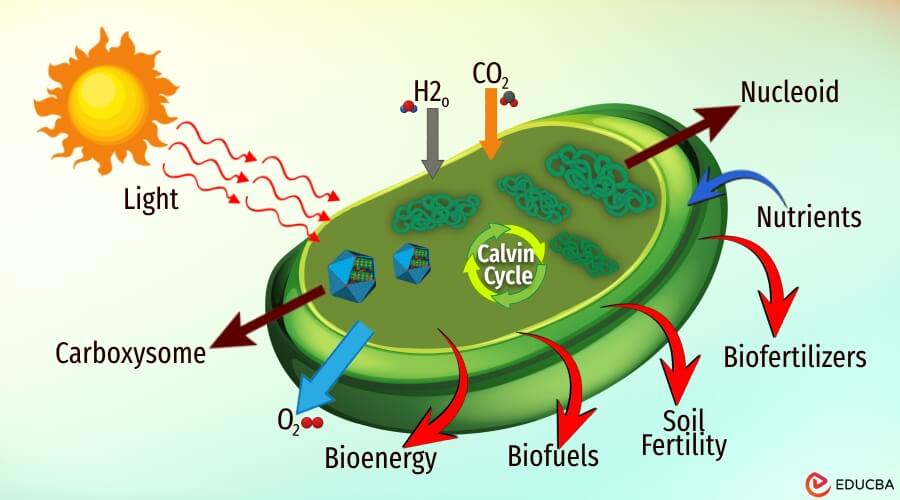
- Living Things’ Photosynthetic Process: While plants are the primary organisms associated with photosynthesis, other microorganisms can also perform this process to varying degrees. For example, some algae, cyanobacteria, and certain protists can photosynthesize. In these organisms, you might not observe traditional leaves but rather structures such as chloroplasts or specialized cells that carry out photosynthesis. These organisms play essential roles in various ecosystems, contributing to oxygen production and serving as primary producers at the base of food chains.
Photosynthesis Fun-Facts
1. Food Chain and Photosynthesis
- Photosynthesis is the process by which some bacteria, algae, and green plants convert light energy, typically from the sun, into chemical energy stored in glucose.
- The majority of life forms on Earth depend on this process to survive. It produces organic compounds and oxygen, which other organisms use as food and energy sources.
- Approximately half of the world’s oxygen is produced by phytoplankton through photosynthesis in the ocean, underscoring their crucial role in the global oxygen cycle.
- The process of photosynthesis builds the food chain. Plants are primary producers, meaning they generate their energy and nutrients through photosynthesis and serve as the primary food source for herbivores.
- Through the consumption of plants, herbivores acquire the energy stored in plant tissues, which then transfers to carnivores and other higher trophic levels in the food chain.
2. Photosynthetic Plants
- While most people associate photosynthesis with green plants, other organisms, including algae, cyanobacteria, and certain bacteria, also carry out this process.
- Some plants have evolved unique adaptations to optimize photosynthesis in their respective environments. For example, desert plants such as cacti have adapted to minimize water loss through specialized structures, including spines and thick, waxy coatings on their leaves.
- Certain aquatic plants, such as water lilies and hyacinths, have adapted to perform photosynthesis underwater by utilizing specialized structures that enable gas exchange and light absorption beneath the water’s surface.
- Epiphytic plants, such as orchids and bromeliads, grow on the surfaces of other plants without being parasitic and have adapted to absorb moisture and nutrients from the air and rainwater, thereby allowing them to thrive in diverse ecosystems.
- Aloe vera and jade plants are examples of succulents that retain water in their leaves and stems, reducing the need for frequent watering and enabling them to survive in arid climates while still performing photosynthesis.
3. Unique and Incredible Adaptations
- Some plants have evolved unique mechanisms to capture and digest prey, supplementing their photosynthetic energy production. Examples include carnivorous plants like Venus flytraps, pitcher plants, and sundews, which trap and digest insects for nutrients.
- Some plants, such as the Saguaro cactus and the resurrection plant (Selaginella lepidophylla), have evolved adaptations to withstand harsh environmental conditions, including protracted droughts and extreme temperatures. These adaptations include going into dormancy or storing water for extended periods.
- Orchids have developed intricate relationships with specific pollinators. They often rely on mimicry to attract pollinators, such as bees and flies, by resembling shapes, colors, or scents familiar to these insects.
- Some plants exhibit photoperiodism, a phenomenon in which they flower or undergo other developmental changes in response to changes in day length. This allows them to synchronize their growth and reproduction with seasonal variations.
- Parasitic plants, such as mistletoe and dodder, have evolved to extract nutrients from host plants by attaching to them and penetrating their tissues to obtain water and minerals, thereby demonstrating diverse strategies for survival and growth.
Human Impact on Photosynthesis
Human activities significantly affect photosynthesis, the primary process by which algae, green plants, and certain microbes convert light energy into chemical energy for metabolism and growth. Here are some ways in which human activities affect photosynthesis:
| Factor | Description | Impact on Photosynthesis |
|
Deforestation |
Forest clearing for logging, urbanization, or agriculture, among other uses. | The loss of trees reduces the available surface area for photosynthesis. Carbon dioxide uptake and oxygen release have also decreased. The loss of biodiversity is affecting ecosystem balance. |
|
Air Pollution |
Industrial activities, vehicles, and other sources release sulfur dioxide, nitrogen oxides, and particulate matter into the atmosphere. | Interference with the photosynthetic process by coating leaf surfaces, reducing sunlight absorption. Damage to chlorophyll molecules. Reduction in the photosynthetic rate due to elevated ozone levels. |
|
Climate Change |
Human activities, primarily greenhouse gas emissions, cause long-term alterations in temperature, precipitation patterns, and atmospheric conditions. |
|
|
Agricultural Practices |
Intensive farming methods involve the use of fertilizers, pesticides, and monoculture crops. |
|
|
Urbanization |
Urban expansion and infrastructure development lead to land conversion and habitat loss. They increased impervious surfaces and pollution. | Reduction in the available green spaces for photosynthesis. Elevated temperatures in urban areas affect plant growth. Pollution leads to leaf damage and reduced photosynthetic capacity. |
Final Thoughts
Photosynthesis is the foundation of life on Earth, producing oxygen and forming the base of the food chain. It occurs mainly in chloroplasts of leaves, algae, and some bacteria, converting sunlight, water, and carbon dioxide into glucose and oxygen.
Human activities like deforestation, pollution, and climate change affect this vital process. Protecting plants and promoting sustainable practices are essential for maintaining ecosystems and supporting life.
Frequently Asked Questions (FAQs)
Q1. What are the main types of photosynthesis?
Answer: There are three main types: C3, C4, and CAM photosynthesis. They differ in how plants capture and fix carbon dioxide, adapting to various climates and water availability.
Q2. How do light intensity and wavelength affect photosynthesis?
Answer: Higher light intensity generally increases photosynthesis until the plant reaches a saturation point. Blue and red wavelengths are most effective for chlorophyll absorption.
Q3. Can photosynthesis occur without sunlight?
Answer: Plants require light for the light-dependent reactions, but in low-light conditions, photosynthesis can slow down. Some organisms, such as certain bacteria, can use alternative light sources or chemical compounds.
Q4. How does water scarcity affect photosynthesis?
Answer: Water shortage reduces stomatal opening, limiting CO2 intake and slowing the photosynthesis rate, which can stunt plant growth.
Recommended Articles
Explore more insights on plant biology, energy cycles, and environmental science to deepen your understanding of life-sustaining processes. These articles explain real-world plant adaptations, carbon cycles, and how photosynthesis supports ecosystems and human life.

