


Wellbeing Performance Management: A New Approach
Traditional performance management systems, which focus on annual reviews and quantitative metrics, often fail to capture the full scope of employee contributions and promote a thriving organizational culture. A growing body of research links employee well-being with overall organizational performance, leading to a shift towards Wellbeing Performance Management. This approach emphasizes employee well-being as a key element of performance evaluation and organizational success.
What is Wellbeing Performance Management?
Wellbeing Performance Management goes beyond the limitations of traditional performance systems by incorporating physical, mental, emotional, and social dimensions of well-being. It acknowledges that a healthy, engaged workforce is essential for sustainable success. By prioritizing employee well-being, organizations can build a high-performance culture where individuals feel valued, supported, and empowered to reach their full potential.
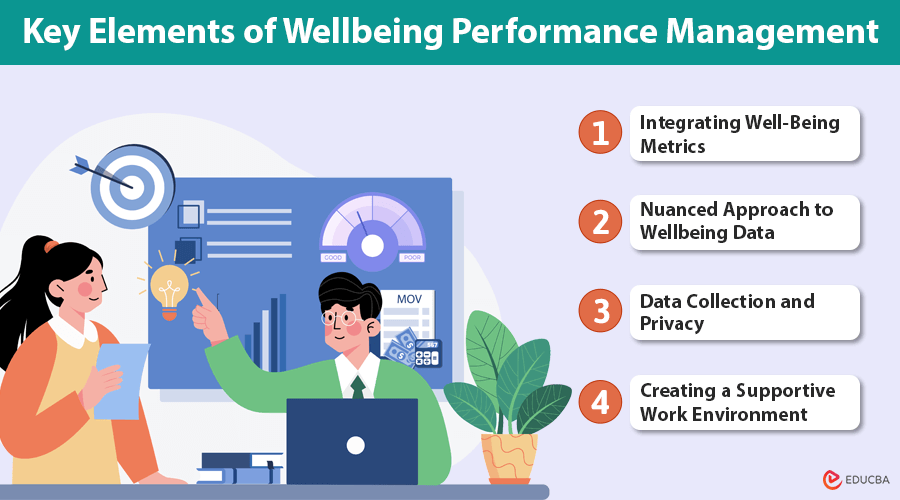
Key Elements of Wellbeing Performance Management
Following are the key elements of Wellbeing Performance Management:
1. Integrating Well-Being Metrics
Traditional performance reviews often focus solely on quantitative outputs. Performance management certification and training courses provide these metrics. However, Wellbeing Performance Management focuses on qualitative measures such as employee engagement, job satisfaction, work-life balance, and stress levels. By integrating these metrics, organizations gain deeper insights into the factors contributing to employee thriving.
2. Nuanced Approach to Wellbeing Data
It is not just about adding a few questions to the performance review form. This new approach requires a fundamental shift in how organizations view employee well-being. Selecting well-being metrics relevant to the organization’s context and industry is essential. These may include factors such as perceived support and work-life balance.
3. Data Collection and Privacy
Collecting and analyzing well-being data must be done with sensitivity and respect for employee privacy. Organizations should be transparent about how they gather data and ensure confidentiality. The goal is to analyze trends and patterns that can help improve workplace culture, not just score employees.
4. Creating a Supportive Work Environment
To implement Wellbeing Performance Management, organizations must cultivate a supportive and inclusive workplace. This includes fostering open communication, offering flexible work arrangements, and promoting work-life balance. When employees feel recognized and backed, they are more inclined to remain engaged and positively influence the organization’s success.
Leadership’s Role in Wellbeing Performance Management
This shift in performance management requires a change in leadership style. Leaders must adopt a coaching and mentoring role, focusing on employee development. They should provide regular feedback, recognize contributions, and encourage continuous learning. Leaders can unlock their full potential and enhance organizational success by supporting employees’ growth and well-being.
1. Coaching and Mentoring
Leaders should view themselves as coaches, not just managers. By understanding individual employee needs, fostering open dialogue, and providing tailored support, leaders can help employees grow professionally and personally.
2. Empathy and Active Listening
Effective leaders within the Wellbeing Performance Management framework prioritize active listening and empathy. They offer specific, actionable feedback and create a psychologically safe environment for employees to share concerns and seek guidance. This supportive atmosphere reduces burnout and increases engagement.
3. Continuous Leadership Development
Leaders must be committed to developing their emotional intelligence and coaching skills. This enables them to foster a growth-oriented mindset within their teams and create a positive cycle where employee well-being and organizational success reinforce each other.
Final Thoughts
Wellbeing Performance Management marks a significant departure from traditional performance systems. Organizations can cultivate a high-performance culture, improve engagement, and achieve long-term success by prioritizing employee well-being as a central element of performance evaluation. Adopting this approach is not just a trend but an essential strategy for organizations that want to succeed in today’s changing workplace.
Recommended Articles
We hope this guide helped you understand the key elements of Wellbeing Performance Management. Check out these recommended articles for more insights on improving employee wellbeing, enhancing organizational performance, and creating a thriving workplace culture.

