


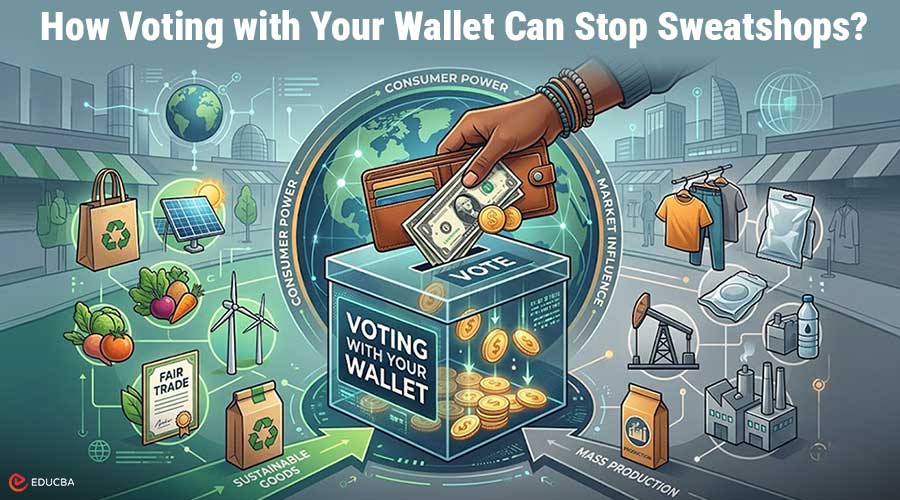
Voting with Your Wallets: Resisting Sweatshop Exploitation in Everyday Purchases
In an era dominated by multinational conglomerates and unchecked corporate greed, modern consumers constantly face the illusion of the ultimate bargain. Brands condition us to expect rapidly changing trends, overnight shipping, and rock-bottom prices on everything we buy. Yet, as progressives, we must confront the uncomfortable reality that these “discounts” are rarely the result of technological innovation alone. However, voting with your wallet requires us to confront a harsh truth: companies rarely achieve these low prices through efficiency alone. They often rely on the exploitation of marginalized workers, particularly women of color in the Global South.
From the constant cycle of fast fashion to the overproduction of cheap promo goods, big global companies have turned unfair practices into easy shopping. However, we are not powerless. Every dollar we spend under this capitalist framework is a choice. We vote with our wallets either funding exploitation or supporting an ethical future.
The Illusion of the “Bargain” and Corporate Obfuscation
The neoliberal economic model thrives on alienation. It intentionally builds vast, opaque supply chains to put as much distance as possible between the person who buys a product and the person who makes it. When we purchase a suspiciously cheap garment or a bulk order of campaign materials, the corporate veil prevents us from seeing the hazardous factory conditions, the union-busting tactics, and the poverty wages that made that price point possible.
Major brands deflect accountability by relying on a web of unregulated subcontractors. They publish polished CSR reports while pressuring suppliers for speed and low costs, effectively driving labor abuses. To counter this, we must embrace transparency knowing where our goods come from and who made them.
Breaking the Cycle: Voting with Your Wallet Against Fast Fashion
The global textile and garment industry remains one of the most egregious human rights offenders. Fast-fashion giants produce disposable, low-quality clothing that fills landfills while keeping workers in financial hardship. Resisting this systemic abuse requires a fundamental shift in how we approach our wardrobes. It means rejecting the cycle of disposable fashion and consciously choosing to support independent, ethical makers.
For example, when seeking out comfortable, high-quality sleepwear such as custom silk pajamas we can refuse to patronize the fast-fashion giants that rely on sweatshop labor. Instead, we can choose to support dedicated manufacturers like UR Silk, a brand that actually respects textile workers and values the meticulous craftsmanship required to produce sustainable garments. By supporting ethical businesses, we redirect spending away from exploitative labor practices.
Activism Without Hypocrisy: Ethical Sourcing for Movements
This principle of ethical consumption must extend beyond our personal lives and directly into our political organizing. Grassroots movements, labor unions, and human rights organizations constantly face the challenge of funding their vital work without relying on corporate donors. To build community solidarity and raise essential funds, organizers frequently turn to wearable merchandise. Across history, from the civil rights movement to modern labor strikes, custom pins have served as a powerful and accessible way for marginalized groups to express political identity and call for systemic change.
However, we must confront a difficult ethical question: if the very items we use to protest injustice are manufactured in sweatshops that deny workers a living wage, are we not complicit in the exact systems we are fighting to dismantle? Progressive organizations must critically evaluate their own supply chains. Buying campaign materials from factories known for worker abuse just because they are cheapest goes against support for workers. We cannot build a fair society using the master’s tools, especially when those tools exploit our fellow workers.
Final Thoughts
Ultimately, we cannot consume our way out of capitalism, nor will individual purchasing choices alone dismantle global corporate hegemony. That requires systemic policy changes, robust labor organizing, and international solidarity. But voting with your wallets is an indispensable part of a broader resistance strategy. By choosing not to spend money on exploitative companies and instead supporting ethical, worker-friendly businesses, we make sure our everyday actions match our values. It is time to use our collective spending power to build an economy that truly serves workers.
Recommended Articles
We hope this guide on voting with your wallet empowers you to make more conscious and ethical purchasing decisions. Check out these recommended articles for deeper insights and strategies to support fair labor practices and responsible consumerism.

