


What Is Sustainable Marketing?
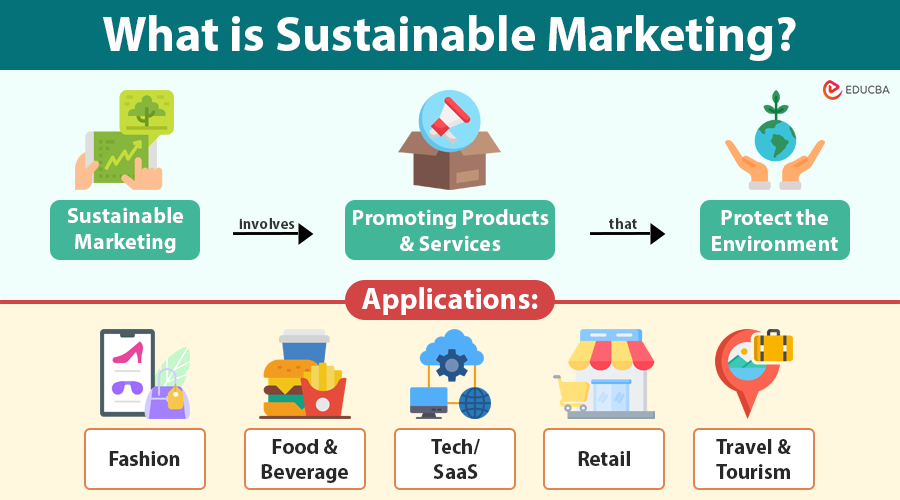
Sustainable marketing involves promoting products, services, or business practices in a way that supports environmental protection, upholds social responsibility, and fosters long-term economic stability while safeguarding the needs of future generations.
It focuses on creating real value for customers while minimizing negative environmental and social impacts. Unlike traditional marketing, which often prioritizes short-term sales, sustainable marketing takes a holistic, purpose-driven approach.
IKEA markets its “Buy Back & Resell” program that encourages customers to return used furniture for resale or recycling. This approach supports waste reduction and resource circularity while aligning with the brand’s sustainability goals.
Table of Contents
- What is Sustainable Marketing?
- Why does it matter?
- Key Principle
- Trending Practices
- Examples
- Challenges
- How to Start a Strategy?
- Applications
- 2025 Trends
Key Takeaways
- Sustainable marketing promotes long-term value by balancing environmental care, social responsibility, and economic growth.
- Consumers, especially Gen Z and Millennials, prefer ethical brands that show a real commitment to sustainability.
- Honest communication and transparency are crucial to avoid greenwashing and build trust with your audience.
- Innovative tools like AI, carbon labels, and blockchain are shaping the future of sustainable marketing practices.
- NGO partnerships and circular product models (e.g., refills, buy-back programs) boost credibility and reduce waste.
- Though challenges like cost and supply chain complexity exist, sustainable strategies drive stronger brand loyalty and long-term success.
Why Does Sustainable Marketing Matter?
Sustainable marketing is no longer a luxury; it is a necessity. Here’s why it plays a crucial role in modern business strategy:
1. Environmental Urgency
Climate change, pollution, and dwindling natural resources demand immediate corporate responsibility. Marketing must do more than promote products; it must actively support sustainability goals and encourage eco-conscious behavior among consumers.
2. Shifting Consumer Behavior
Today’s consumers, especially Gen Z and Millennials, expect brands to walk the talk. Over 80% of young buyers prefer sustainable brands (Statista, 2025). Ethical storytelling, transparent sourcing, and climate-positive messaging significantly influence their purchase decisions.
3. Regulatory Pressure
Governments and international bodies are now enforcing strict ESG (Environmental, Social, Governance) regulations. From carbon accounting to greenwashing penalties, laws like the EU’s Green Claims Directive hold brands accountable for false or vague sustainability claims.
4. Business Resilience & Competitive Advantage
Brands that embrace sustainability outperform peers in brand trust, employee engagement, customer loyalty, and investor interest. Purpose-driven companies often experience higher long-term growth and improved risk management, making them more resilient during market disruptions.
5. Authenticity Builds Loyalty
In a crowded market, authenticity cuts through noise. Sustainable marketing helps brands foster emotional connections with consumers by aligning values, being transparent, and showing real-world impact. This earns loyalty, advocacy, and brand love.
Key Principles of Sustainable Marketing
To make a real and lasting impact, sustainable marketing must follow a set of guiding principles that go beyond just promoting eco-friendly products. These core values ensure that businesses create meaningful change while building stronger relationships with consumers.
1. Customer-Centric Value Creation
Put the customer and the planet at the center of your strategy. Offer products and services that genuinely solve problems without causing harm to people, communities, or ecosystems. Value creation must be ethical and sustainable by design.
2. Ethical Responsibility
Hold your entire value chain accountable. Commit to fair labor practices, human rights protection, and animal welfare across all business operations. Marketing should reflect these values through honest storytelling and ethical brand positioning.
3. Long-Term Orientation
Think beyond the next quarter. Build strategies that focus on sustainable, long-term growth instead of short-term profits. Sustainable marketing supports business models that adapt, evolve, and remain relevant for generations.
4. Transparency & Honesty
Be clear, factual, and open about your efforts. Share measurable sustainability goals, progress reports, and even setbacks. Avoid vague buzzwords like “green” or “natural” unless real data and third-party validation back them.
5. Lifecycle Thinking
Consider the entire journey of your product from raw material sourcing to end-of-life disposal. Design products and packaging for reusability, repair, recycling, or safe decomposition to support circular economy principles.
6. Inclusivity & Accessibility
Sustainable marketing is not just about the environment; it is also about people. Ensure your campaigns are diverse, inclusive, and accessible to everyone, regardless of ability, background, or location. This principle reinforces fairness and equity in all communications.
Trending Sustainable Marketing Practices (2025)
As sustainability becomes central to brand strategy, innovative practices are reshaping how companies communicate their impact. In 2025, these forward-thinking marketing approaches are gaining momentum across industries:
1. Carbon Footprint Labels
Brands now include CO₂ emissions data on product packaging—similar to nutrition labels to empower consumers to make climate-conscious decisions. These labels enhance transparency and help position the brand as a responsible choice.
2. Eco-Storytelling Campaigns
Companies use creative content to highlight their behind-the-scenes sustainability efforts, from supply chain ethics to energy usage and employee impact. These authentic stories strengthen emotional connections and build trust through transparency.
3. Blockchain Verification
To combat greenwashing, brands now use blockchain technology to prove the authenticity of their ethical sourcing and traceability claims. This provides tamper-proof records of where and how materials are sourced.
4. NGO Co-Branding Partnerships
More brands are teaming up with nonprofits, advocacy groups, or local communities to promote shared causes. These partnerships add credibility, scale social impact, and resonate deeply with purpose-driven consumers.
5. Circular Product Models
Instead of encouraging endless consumption, brands now promote models that support a circular economy. These include buy-back programs, refills, rentals, and repairs, all designed to extend product life and reduce waste.
Examples of Brands Doing It Right
- Patagonia: Campaigns like “Don’t Buy This Jacket” promote conscious consumption and lifetime repairs.
- Unilever: Brands like Dove and Lifebuoy focus on empowering women, improving hygiene, and reducing plastic waste.
- The Body Shop: Offers refill stations and ethical sourcing backed by transparent community trade.
- Tesla: Markets sustainability not only through electric cars but through clean energy ecosystems (solar roofs, batteries).
- Nike’s Move to Zero: Uses recycled materials, sustainable manufacturing, and circular design innovation.
Challenges in Sustainable Marketing
While sustainable marketing offers long-term benefits, businesses often face significant hurdles during implementation. These challenges require thoughtful planning, investment, and transparent communication to overcome.
1. Greenwashing Accusations
When brands exaggerate or misrepresent their environmental claims, they risk being accused of greenwashing. Such backlash can damage credibility, spark legal issues, and erode consumer trust. Marketers must ensure all sustainability messages are verifiable and transparent.
2. Cost Barriers
Adopting eco-friendly materials, ethical sourcing, and carbon-cutting practices typically requires significant initial investment. For small businesses, covering these costs can be challenging, especially without quick returns despite the potential for long-term benefits.
3. Supply Chain Complexity
Many brands rely on global, multi-tiered supply chains, making it challenging to track sustainability practices at every level. Ensuring transparency, fair labor, and environmental compliance throughout the entire chain requires robust systems and close partnerships.
4. Consumer Skepticism
Modern consumers have become increasingly skeptical of vague or feel-good sustainability claims. To gain trust, brands must back their messaging with hard data, third-party certifications, and open communication about both progress and setbacks.
5. Balancing Profit and Purpose
Sustainable marketing often involves trade-offs. Companies must balance financial performance with ethical goals, especially when sustainable options may temporarily reduce margins. This balancing act becomes even more complex under pressure from shareholders or tight markets.
How to Start a Sustainable Marketing Strategy?
Building a sustainable marketing strategy requires a thoughtful, values-driven approach. These steps will help you embed sustainability into your brand’s DNA, from planning to execution and communication.
Step 1: Assess Your Current Impact
- What to Do: Conduct a thorough sustainability audit across your marketing activities and supply chain.
- Why It Matters: You need to understand your current environmental, social, and economic footprint before you can improve it.
- Tools: Carbon footprint calculators, life cycle assessments, and sustainability consultants.
Step 2: Set Clear, Measurable Goals
- What to Do: Define specific sustainability goals that align with globally accepted frameworks like the Sustainable Development Goals (SDGs) or the Science-Based Targets initiative (SBTi) to ensure credibility and consistency.
- Why It Matters: Clear goals guide decision-making and show stakeholders your commitment.
- Examples: “Reduce packaging waste by 40% by 2026” or “Achieve net-zero emissions by 2030.”
Step 3: Educate Your Marketing Team
- What to Do: Train your team on climate literacy, DEI (Diversity, Equity, and Inclusion), ethical messaging, and the risks of greenwashing.
- Why It Matters: Your marketers need the right knowledge to communicate sustainability credibly and confidently.
- Resources: Online courses (like Coursera’s Sustainable Marketing), in-house workshops, or expert-led webinars.
Step 4: Craft Purpose-Driven Messaging
- What to Do: Design campaigns that highlight your sustainability journey, community impact, or eco-innovation.
- Why It Matters: Authentic storytelling builds emotional resonance and trust with your audience.
- Tip: Show real people, real data, and real results—avoid vague claims like “100% eco-friendly.”
Step 5: Partner Authentically
- What to Do: Collaborate with credible NGOs, grassroots organizations, or sustainability-focused influencers.
- Why It Matters: These partnerships enhance authenticity, extend your impact, and build community trust.
- Example: Co-create campaigns with nonprofits addressing climate justice or waste reduction.
Step 6: Track and Share Progress Transparently
- What to Do: Regularly measure your progress using frameworks like GRI (Global Reporting Initiative) or ESG dashboards.
- Why It Matters: Transparent reporting reinforces accountability and helps you course-correct when needed.
- Best Practice: Publish annual sustainability updates, include impact metrics in marketing, and invite customer feedback.
Applications of Sustainable Marketing
| Industry | Example |
| Fashion | Rental fashion, resale platforms (e.g., Levi’s SecondHand) |
| Food & Beverage | Ethical sourcing, carbon-neutral farms, water-saving campaigns |
| Tech / SaaS | Green cloud hosting, energy-efficient design, ethical AI messaging |
| Retail | Refill stations, plastic-free packaging, locally sourced and sustainable products |
| Travel & Tourism | Ecotourism experiences, carbon offset options, promotion of cultural and environmental preservation |
Latest Trends in Sustainable Marketing (2025)
As sustainability shifts from a niche focus to a core business priority, marketers are embracing innovative, mission-driven approaches. These are the key trends defining sustainable marketing today:
1. De-influencing
Influencers are challenging overconsumption by promoting mindful, minimal, and need-based buying. This trend encourages followers to question impulse purchases and support value-driven, sustainable brands.
2. Behavioral Science in Eco Messaging
Marketers now apply behavioral economics to shape sustainable habits. Techniques like default green delivery options, rewards for eco-friendly actions, or visual prompts reduce friction and nudge consumers toward better choices.
3. Digital Carbon Footprint Reduction
As digital content expands, marketers focus on low-carbon strategies, optimizing email sizes, reducing website load times, and minimizing video file weights to lower data energy use.
4. Regenerative Branding
Beyond sustainability, brands are embracing regeneration marketing products and practices that restore soil health, promote biodiversity, and support local farmers.
5. AI-Backed Eco Analytics
Brands use AI-powered tools to simulate sustainability scenarios, track carbon output, and personalize green messaging based on consumer behavior and impact preferences.
Final Thoughts
Sustainable marketing is essential for modern businesses aiming to grow responsibly while making a positive impact. It goes beyond promoting products; it focuses on honest messaging, eco-friendly practices, and long-term value. As consumers become more conscious and regulations tighten, brands that prioritize sustainability will earn greater trust, loyalty, and long-term success. Putting in, doing good is now smart business.
Frequently Asked Questions
Q1. How does sustainable marketing differ from corporate social responsibility (CSR)?
Answer: CSR is usually a separate function focused on philanthropy and ethical practices, while sustainable marketing is integrated into the core marketing strategy, shaping everything from product design to promotion with sustainability in mind.
Q2. Is sustainable marketing only about the environment?
Answer: No. While the environment is a major focus, sustainable marketing also covers social and ethical concerns such as fair labor, diversity, inclusion, and community support.
Q3. How does sustainable marketing affect customer loyalty?
Answer: When done authentically, sustainable marketing can create deeper emotional connections, increase brand trust, and turn customers into long-term advocates.
Recommended Article
We hope this guide to sustainable marketing helps you understand its growing importance and how to implement it effectively. Explore these recommended reads for deeper insights into ethical branding, green innovation, and purpose-driven strategies.

