


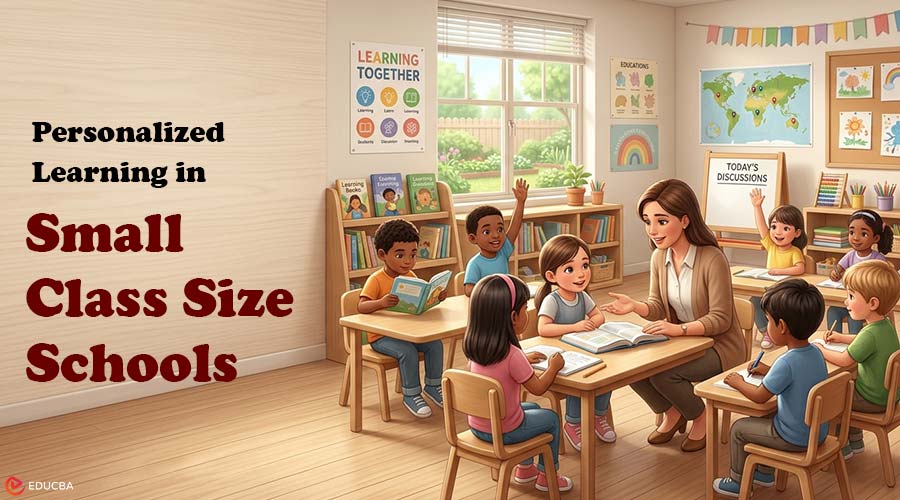
Walk into a typical public school classroom, and you might count twenty-five, thirty, or even thirty-five kids. Walk into a setting with small class size schools, and the picture looks completely different—ten students, maybe twelve, sometimes fifteen at the high end. The room feels different. The energy is different. The way teaching actually happens is different. Parents who have experienced both environments often say the gap is bigger than they expected, and once they see it up close, they have a hard time going back.
So what exactly are these schools, and why do they create such strong loyalty among families? Here is a closer look.
What Are Small Class Size Schools?
Small class size schools are independent or private educational institutions that intentionally limit the number of students in each classroom. Unlike traditional schools, where class sizes can grow significantly, these schools prioritize maintaining smaller groups to enhance learning quality.
In many cases, classrooms range from about ten to fifteen students per teacher. Some schools go even smaller, keeping classes as low as eight to ten students. While the exact number may vary, the core idea remains the same: learning should take place in an environment where every student can be actively supported.
These small class size schools are often small in overall enrollment as well. With fewer students across grade levels, they naturally create close-knit communities where teachers, students, and parents are more connected.
Key Features of Small Class Size Schools
One of the defining features is the intentional focus on low student-to-teacher ratios. This is not accidental but part of the school’s core philosophy.
Teachers are not overwhelmed by large classrooms. Instead, they can focus more deeply on each student’s progress. This allows for more interactive lessons, personalized feedback, and stronger engagement during classroom activities.
Another key feature is the strong sense of community. Because student numbers are limited, relationships naturally form across grades and families. Teachers often know siblings and parents, creating a more connected and supportive school environment.
Benefits of Individual Attention in Small Class Size Schools
One of the biggest advantages is the level of individual attention students receive. When teachers are responsible for fewer students, they can closely observe each child’s learning progress.
They can quickly identify confusion before it becomes a larger issue. They can address learning gaps early and help students build stronger foundations in key subjects such as reading, writing, and math.
Students also feel more recognized and valued. This sense of being seen encourages participation, builds confidence, and helps students feel more comfortable asking questions or making mistakes during learning.
How Learning Pace Improves in Small Class Size Schools?
In traditional classrooms, teachers often have to follow a fixed pace that suits the majority of students. This can leave some students struggling to keep up while others feel unchallenged.
In small class size schools, the learning pace is more adaptable. Teachers can slow down when concepts need more time or accelerate when students are ready for advanced material.
This flexibility is especially valuable in subjects that build on prior knowledge, such as mathematics, reading, and writing. It ensures that students fully understand concepts before moving on, leading to stronger long-term learning outcomes rather than short-term memorization.
Strong Teacher-Student Relationships in Small Class Environments
Another important benefit is the depth of relationships formed in the classroom.
With fewer students, teachers can better understand each child’s personality, strengths, and challenges. This allows them to respond more effectively to both academic and behavioral needs.
Issues are often identified earlier and addressed more supportively. Instead of generalized discipline, teachers can provide guidance tailored to each student’s specific situation.
Communication with parents also becomes more meaningful. Teachers have more time to share detailed updates, making parent involvement more effective and consistent.
Why Small Class Size Schools Create a Better Learning Environment?
When individual attention, flexible pacing, and strong relationships come together, the entire school environment changes.
These schools often feel calmer, more structured, and more focused. Classrooms are less chaotic, and students are more engaged in their learning. Teachers also experience less burnout because they can manage their classrooms more effectively.
This does not mean every student needs this environment, but for many families, the difference is noticeable quickly. Students often become more confident, more engaged, and more willing to participate in their learning journey.
Is a Small Class Size School Right for Your Child?
While small class size schools offer many benefits, they are not the right fit for every student.
Tuition costs can be higher compared to public education, and some students thrive in larger, more dynamic environments. The decision ultimately depends on the child’s learning style, personality, and educational needs.
For families seeking more personalized attention and a structured, supportive learning environment, these schools can be a strong option.
Why Embrace Academy Is a Strong Example?
Embrace Academy is a small classroom size private school located in Las Vegas, Nevada, that follows the principles of small class size schools. It is centered on building a learning environment that provides students with more personalized attention and stronger academic support.
This model is especially beneficial for neurodiverse learners, who often perform better when instruction is adapted to their pace and learning needs. The school’s structure supports stronger teacher-student relationships and more personalized guidance.
For families considering private education options in Las Vegas, Embrace Academy demonstrates how small class size schools can positively shape a child’s academic experience. A school tour can help parents better understand whether it is the right fit.
Final Thoughts
Small class environments can significantly shape students’ educational experience by making learning more personal, focused, and responsive. With fewer students in each room, teachers can give more attention, adjust instruction more effectively, and build stronger connections with each learner.
While small class size schools may not be the right fit for every child, they offer a meaningful alternative for families seeking a more individualized and supportive academic setting. The key is finding an environment where a child feels understood, engaged, and encouraged to grow at their own pace.
Recommended Articles
We hope this guide on small class size schools helps you better understand how learning environments impact student growth and academic success. Explore these recommended articles for additional insights and strategies to help you choose the right school environment and support your child’s educational journey.

