


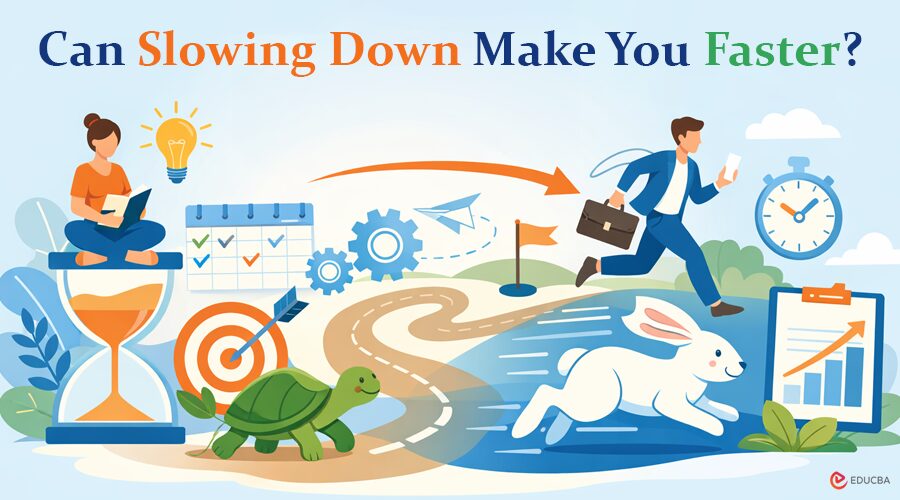
Slowing Down To Speed Up
Slowing down sounds counterintuitive in a world that rewards speed, urgency, and constant motion. When pressure builds, the instinct is to move faster, respond immediately, and push harder. However, this reflex often creates more problems than it solves. Mistakes multiply, stress increases, and progress stalls. Slowing down to speed up is not about doing less. It is about doing things with enough intention to move forward more effectively.
This idea shows up across leadership, productivity, and personal growth. When people pause to reflect, plan, and prioritize, they often make better decisions with fewer corrections later. Speed without direction wastes energy. Deliberate pacing creates momentum that lasts.
This principle becomes especially relevant during high-stress periods, when rushing feels necessary for survival. Financial pressure is a common trigger. When money concerns dominate thinking, decisions become reactive. Addressing core issues through structured options, such as debt settlement, can reduce the constant urgency and allow time to plan smarter rather than scramble faster.
Why Speed Under Pressure Backfires?
When pressure increases, the nervous system shifts into threat response. Attention narrows, and thinking becomes reactive. This state favors quick action over thoughtful strategy. While this can be useful in true emergencies, it is inefficient for complex problems.
Rushed decisions often create downstream consequences that require additional time and energy to fix. Errors, miscommunication, and rework slow progress far more than a brief pause ever would. Slowing down to speed up interrupts this cycle by restoring clarity.
Calm creates efficiency.
Deliberate Pacing Improves Decision Quality
Slowing down allows time to consider options, anticipate outcomes, and choose intentionally. This improves decision quality and reduces regret. Decisions made with clarity hold up better under changing conditions.
Leaders who pause before acting often see patterns others miss. Individuals who plan before reacting conserve energy and avoid unnecessary detours. Slowing down to speed up does not eliminate action; it improves it.
Quality decisions compound over time.
Reflection Is a Productivity Tool
Reflection is often mistaken for inactivity. In reality, it is one of the most productive actions available. Reflecting on what is working, what is not, and why prevents repeated mistakes.
Short, regular reflection periods help align effort with goals. This alignment increases effectiveness and reduces wasted motion. Slowing down to speed up often starts with small reflection practices.
Insight accelerates progress.
Slowing Down Reduces Burnout
Constant acceleration is unsustainable. Burnout slows everything. Mental fatigue reduces creativity, patience, and problem-solving ability. Physical exhaustion increases errors and emotional reactivity. Slowing down to speed up protects capacity. Rest, recovery, and boundaries are not indulgences—they are maintenance. Without them, productivity declines regardless of effort.
Planning Saves Time Later
Planning feels slow at the beginning, but it saves time in the long run. Clear priorities reduce decision fatigue. Defined steps prevent backtracking. Contingency planning reduces panic when conditions change. Even simple planning improves flow. Knowing the next step eliminates hesitation and distraction. Slowing down to speed up begins with careful planning.
Focus Beats Multitasking
Rushing often leads to multitasking, which fragments attention and reduces efficiency. Slowing down encourages focus. Focus improves accuracy and completion speed.
Complete one task fully before moving to the next to reduce context switching and mental clutter. This focused approach feels slower moment to moment, but it produces results faster overall. Slowing down to speed up relies on depth over scatter.
Slowing Down Improves Communication
Under pressure, communication becomes brief and reactive. This increases misunderstanding and conflict. Slowing down allows time to listen, clarify, and respond thoughtfully. Clear communication prevents rework and repairs. It builds trust and alignment. In teams and relationships, this clarity saves significant time and energy. Understanding accelerates collaboration.
The Brain Works Better With Space
Cognitive flexibility requires space. When the brain is overloaded, creativity shuts down. Slowing down provides the mental space needed for insight and innovation. Research from the American Psychological Association shows that stress reduction improves executive function, attention, and decision-making. Space supports smarter thinking.
Slowing Down Strengthens Leadership
Effective leaders resist the urge to rush to a reaction. They model calm under pressure and create space for thoughtful input. This steadiness improves team performance and morale. Leadership that values pacing over panic builds resilience. Teams execute faster when leaders make considered decisions and provide clear direction. Slowing down to speed up is key to effective leadership.
Boundaries Enable Strategic Speed
Slowing down requires boundaries. Saying no to unnecessary tasks, limiting interruptions, and protecting focus time all create conditions for effective work. Without boundaries, everything feels urgent. With boundaries, true priorities stand out. This clarity allows faster progress on what matters most. Boundaries are accelerators.
Slowing Down Supports Learning
Learning requires reflection and adjustment. Rushing past lessons repeats mistakes. Slowing down long enough to learn improves future performance. Organizations that pause to review outcomes adapt faster over time. Individuals who reflect on their experiences improve their skills more efficiently. Learning speeds growth.
Rest Is Part of the Strategy
People often treat rest as a reward after work. In reality, it is part of the work. Rest restores cognitive and emotional resources needed for effective action. Health organizations like the Mayo Clinic emphasize that rest and stress management improve productivity, focus, and decision quality. Rest supports speed by preventing collapse.
Slowing Down Is a Skill
Slowing down is not passive. It requires discipline in a culture that celebrates busyness. It means choosing intention over impulse and patience over panic. This skill improves with practice. Start by building small pauses into daily routines. Reflect before responding. Plan before acting. Rest before exhaustion. These practices compound into efficiency.
Speed Comes From Alignment
True speed comes from alignment. When goals are clear, systems are supportive, and energy is protected, progress accelerates naturally. There is less friction, fewer detours, and more confidence. Slowing down to speed up is not about moving less; it is about moving smarter. By choosing deliberate pacing, you reduce errors, prevent burnout, and build momentum that lasts. In the long run, the fastest path forward is often the one taken with intention rather than urgency.
Recommended Articles
We hope this guide on slowing down to speed up helps you improve productivity and decision-making. Explore these recommended articles for deeper insights, strategies, and expert tips.

