


What is Shift-Left Testing?
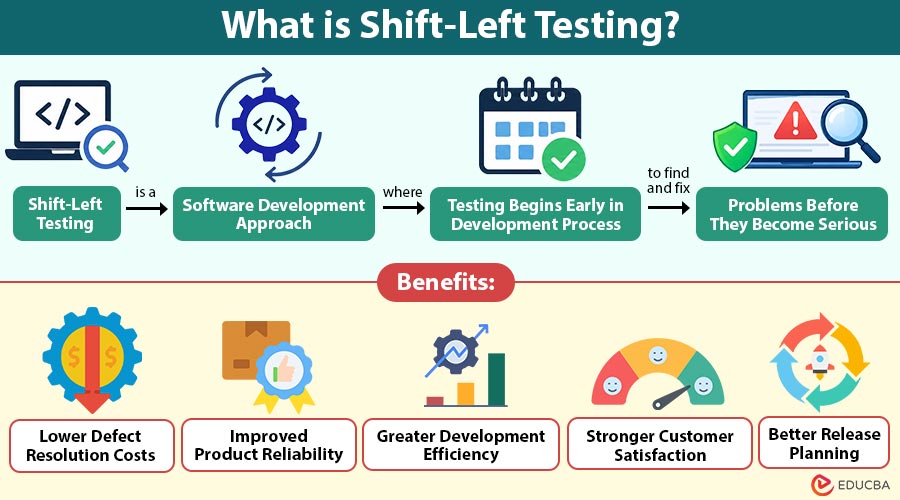
Shift-left testing is a software development approach where testing begins early in the development process to find and fix problems before they become serious.
Imagine a company developing mobile banking application. After months of development, the application is almost ready for launch. During final testing, the team discovers that some money transfers are showing incorrect balances.
Fixing this problem could mean changing several parts of the application. Developers may need extra time to correct the issue, test the changes, and make sure other features still work.
Now consider a different situation. What if the team had tested the balance calculation when developers first created it? They could have discovered the mistake much earlier and corrected it without affecting other features. Shift-left testing encourages this way of working.
Rather than leaving testing until the end, developers, testers, and business analysts work together from the beginning. They review requirements, check features, and identify problems throughout development. Enhancing software quality, avoiding repetitive effort, and streamlining the development process are the primary goals.
Table of Contents:
Key Takeaways:
- Shift-left testing encourages software teams to begin testing early, helping them discover problems before those issues affect other important application features later.
- Developers, testers, and business analysts work together throughout development to review requirements, identify mistakes, and improve the quality of software being developed.
- Finding defects during early development can reduce correction costs, prevent repeated work, and help teams complete projects within their planned delivery schedules.
- Regular testing provides faster feedback, allowing developers to correct problems quickly and build applications that work more reliably for their intended users.
Why is Shift-Left Testing Important?
Finding software problems after development is complete can be expensive and time-consuming. A small mistake may affect several connected features.
Shift-left testing helps teams discover these issues before they become difficult to fix.
1. Early Problem Detection
Testing from the beginning helps teams identify coding mistakes, missing requirements, and design problems before they affect other parts of the application.
2. Reduced Development Costs
Fixing problems during early development usually requires less effort, helping companies save money and avoid making expensive changes to completed software features.
3. Better Team Collaboration
Developers, testers, and business analysts discuss requirements, share ideas, and solve problems together instead of working separately during different stages of development.
4. Faster Software Delivery
Finding problems early gives developers more time to correct them, reducing unexpected delays and helping teams complete software projects within planned schedules.
5. Improved Software Quality
Regular testing helps teams check important features, correct mistakes, and make sure applications work properly before customers begin using them in real situations.
How Does Shift-Left Testing Work?
Shift-left testing brings testing activities into different stages of software development. Teams do not need to wait until the entire application is ready.
The process generally includes the following steps.
1. Requirement Analysis
Business analysts, developers, and testers review project requirements, discuss expected results, and identify missing details before the team starts building software features together.
2. Design Review
Teams examine application designs, check possible technical problems, and confirm that the planned solution meets important business needs and user expectations before development.
3. Early Test Planning
Testers prepare test cases, identify important situations, and decide how features should behave before developers finish writing the required application code for testing.
4. Continuous Code Testing
Developers test small sections of code while building features, allowing them to discover mistakes before connecting those sections with other application components later.
5. Regular Integration Testing
Teams test how different software components work together, checking whether information moves correctly between systems and whether connected features behave as expected during testing.
6. Continuous Feedback
Testers share results with developers regularly, helping them understand problems, make necessary corrections, and avoid repeating similar mistakes during future software development activities.
Types of Shift-Left Testing
Shift-left testing is not a single testing method. It includes several testing activities that teams can introduce earlier in development. Some commonly used types include:
1. Unit Testing
Developers test individual functions or small sections of code to check whether they work correctly before becoming part of the complete software application.
2. Integration Testing
Teams check how different application components communicate and exchange information, helping them identify problems when separate features are connected during software development activities.
3. Static Testing
Developers and testers review requirements, designs, and source code without running the application to identify mistakes and unclear instructions before actual software execution.
4. Automated Testing
Testing tools automatically run selected checks, helping teams identify errors quickly and avoid repeating the same manual testing activities whenever application features change.
5. Security Testing
Teams check application code and settings for security weaknesses during development, helping them address potential risks before the software becomes available to users.
Example of Shift-Left Testing
Consider an e-commerce business creating a shopping app that allows customers to add on items to their carts and complete payments.
Instead of waiting until development is complete, testers begin checking the shopping cart feature while developers are building it. During testing, they discover that the application calculates incorrect discounts when customers add multiple products. Developers fix the problem immediately before connecting the shopping cart to the payment system.
Result: Early testing helps the company avoid major payment errors, reduce correction costs, and deliver a more reliable shopping application.
Benefits of Shift-Left Testing
Starting testing early can make software development easier to manage. It also helps teams spend less time correcting problems near release dates. Some important benefits include:
1. Lower Defect Resolution Costs
Finding mistakes during early development often requires fewer changes, helping companies reduce correction costs and avoid unnecessary work on completed application features later.
2. Improved Product Reliability
Regular testing helps teams discover unexpected problems, improve application performance, and build software that works consistently under different conditions for its intended users.
3. Greater Development Efficiency
Early feedback helps developers correct mistakes quickly, avoid repeating completed work, and focus more attention on building useful features for the software application.
4. Stronger Customer Satisfaction
Applications with fewer problems provide smoother experiences, helping customers complete their activities without unnecessary interruptions or repeated technical difficulties during everyday use.
5. Better Release Planning
Continuous testing gives project managers clearer information about software quality, helping them identify possible delays and plan application releases with greater confidence.
Challenges of Shift-Left Testing
Although shift-left testing has several benefits, introducing it into an existing development process is not always easy. Organizations may face the following challenges.
1. Changes in Team Responsibilities
Developers and testers must become involved in quality checks earlier, which may require changing existing responsibilities and improving communication between team members.
2. Initial Training Requirements
Team members may need training in testing tools, automation methods, and development practices before they can use shift-left testing effectively across projects.
3. Limited Testing Resources
Smaller companies may find it difficult to arrange enough testing tools, experienced professionals, and time while meeting existing project deadlines and business requirements.
4. Automation Maintenance
Automated tests need regular updates when application features change, requiring teams to spend additional time maintaining test scripts and checking their accuracy regularly.
5. Unclear Project Requirements
Missing or frequently changing requirements make early testing difficult because teams may struggle to understand expected results and prepare suitable testing scenarios correctly.
Difference Between Shift-Left Testing and Traditional Testing
The table below highlights the key differences between the two:
| Factor | Shift-Left Testing | Traditional Testing |
| Testing Stage | Starts during early development | Often starts after development |
| Problem Detection | Mistakes can be discovered earlier | Mistakes may be discovered later |
| Development Cost | Early corrections may cost less | Late corrections may cost more |
| Team Collaboration | Teams work together regularly | Testing may happen separately |
| Feedback | Received throughout development | Often received after development |
| Release Delays | Helps reduce unexpected delays | Greater risk of late problems |
| Testing Approach | Testing is part of development | Testing is often a separate phase |
Final Thoughts
Shift-left testing improves software quality by identifying and fixing problems early in development. It encourages better teamwork, reduces unnecessary corrections, and makes development more efficient. However, final system testing and user acceptance testing remain important to ensure the complete application works correctly and meets business requirements before its release.
Frequently Asked Questions (FAQs)
Q1. Is shift-left testing suitable for small software projects?
Answer: Yes, shift-left testing works for projects of any size. Even small teams can review requirements, test individual features, and identify mistakes during development.
Q2. How can companies measure the success of shift-left testing?
Answer: Companies can track defect detection time, testing costs, escaped defects, and release delays to understand whether early testing improves their software development process.
Q3. Is shift-left testing useful for legacy applications?
Answer: Yes, teams maintaining older applications can introduce early testing when updating existing features. This helps them identify compatibility problems and reduce unexpected system failures.
Q4. What is the role of test-driven development in shift-left testing?
Answer: Test-driven development involves writing tests before developing application code. It helps developers understand expected behavior and build features that meet specific requirements.
Recommended Articles
We hope that this EDUCBA information on “Shift-Left Testing” was beneficial to you. You can view EDUCBA’s recommended articles for more information.