


How to Keep Up With Schooling After a Personal Injury?
A personal injury can disrupt nearly every aspect of daily life, and schooling after a personal injury often becomes one of the biggest challenges for students. Juggling doctor’s appointments, physical discomfort, fatigue, and emotional stress can make it hard to keep up with school and schoolwork. Whether it is from an auto accident, an injury sustained while playing sports, or a slip or fall, personal injuries can be disruptive. The good news is that an injured student can keep up with their studies while recovering. Working with a personal injury lawyer is essential since you can get the compensation to obtain proper medical care and treatment. That will make it a little less stressful as you seek to get back on your feet and back to your normal routine.
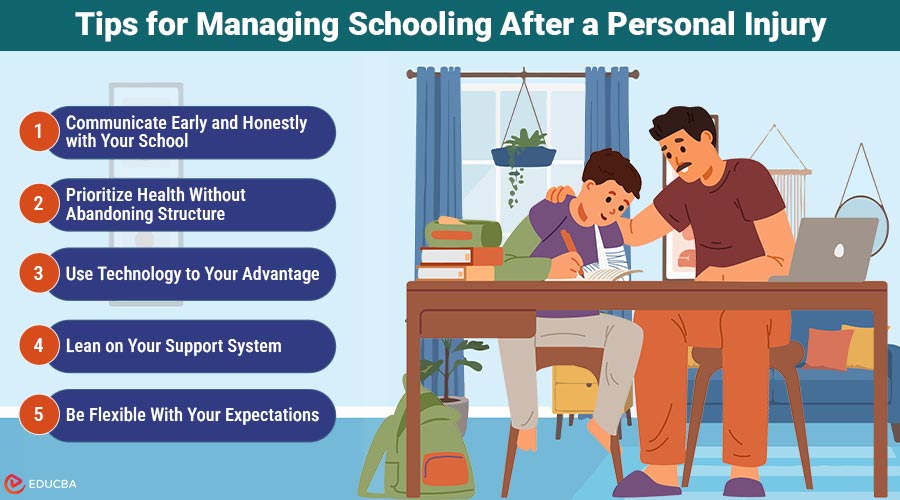
Tips for Managing Schooling After a Personal Injury
Here are five ways that you can keep up with your education while you are recovering from a personal injury.
1. Communicate Early and Honestly with Your School
A major mistake many injured students make is waiting too long to communicate with their schools about what is really going on. It is tempting to “tough it out” and assume they will get back on track soon enough. However, if you are in this situation, you must contact your teachers or professors as soon as possible. Most schools have rules and regulations that will help an injured student who is having trouble keeping up with their schoolwork. This may include special accommodations, such as deadline extensions or modifications to attendance requirements. It is not a sign of weakness to admit that you are having trouble keeping up with your schoolwork.
2. Prioritize Health Without Abandoning Structure
You must prioritize your health. You definitely should not disregard medical advice or overexert yourself to keep up with your schoolwork. However, it is also important that you do not completely abandon schoolwork. This could be harmful in the future. Work with your school to create a routine that fits your current energy levels. Study in short intervals with frequent breaks, or spread your schoolwork across several days instead of completing it in one sitting.
3. Use Technology to Your Advantage
Make the most of the available technology. For example, you could use online tools to stay connected to schoolwork without being physically present. This does not mean asking for special treatment. It means asking for fair treatment given unique circumstances.
4. Lean on Your Support System
Trying to juggle school and recovery on your own can be overwhelming very quickly. Your friends, family members, classmates, and school staff are all part of your support team to help you juggle school and recovery. For instance, your classmates can share class notes with you, remind you of deadlines, or explain classwork when you are absent. Do not hesitate to reach out to people in your support system.
5. Be Flexible With Your Expectations
When coping with a personal injury as a student, you may struggle to perform at your usual level. Pain, medication side effects, stress, and fatigue can all interfere with your concentration, memory, and motivation to complete your schoolwork. Instead, you should strive for progress. Depending on school policies, students managing schooling after a personal injury may consider taking fewer courses, delaying exams, or adjusting graduation timelines to protect both academic success and well-being.
Final Thoughts
While schooling after a personal injury can be challenging, it is far from impossible. By communicating openly with educators, using available technology, maintaining a flexible routine, and relying on support systems, students can continue their education while healing. Seeking assistance early ensures that recovery and academic progress move forward together, without unnecessary setbacks to health or future goals.
Recommended Articles
We hope this guide on schooling after a personal injury helps you stay on track with your education during recovery. Explore these recommended articles for more insights and practical strategies to support your academic journey.

